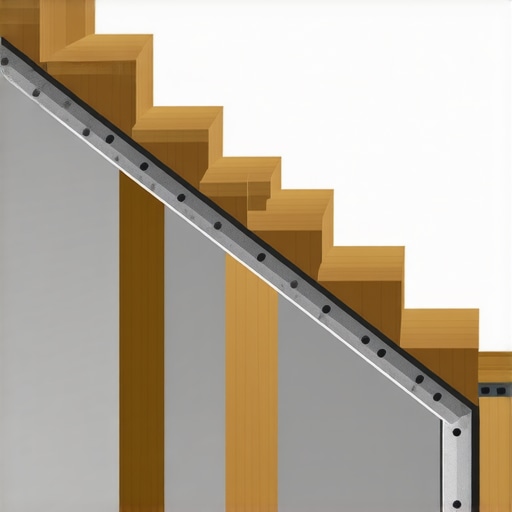
It was one of those mornings. I stepped onto my deck stairs, expecting a stable, reassuring footing, but instead, I felt that unsettling bounce right in the middle of the span. That hollow, squeaky sensation? It’s the kind of thing that wakes you up at night, wondering if your outdoor project is about to collapse or somehow turn into a safety hazard. I had to stop and really think—what went wrong?
Why a Bouncy Stair Can Keep You Up at Night
A wobbly, bouncy stair isn’t just a minor annoyance; it’s a warning sign that something’s not quite right in your outdoor setup. Over time, repeated use, environmental stressors, and even the smallest design oversights can turn a sturdy step into a sagging menace. But here’s the thing—I didn’t want to cut into my perfectly finished deck to add a post, and I know many homeowners feel the same way. That’s when I realized that fixing this problem could be simpler than I imagined, without heavy modifications.
Did you know that proper joist support and fastener choices can significantly reduce issues like bouncing, without the need for extra posts? According to industry standards, misweighted joist spacing or inadequate fastening can cause deck components to feel loose over time—a mistake I made early on by neglecting to verify my joist placement. You can check out more about supporting your deck stairs properly in this insightful guide.
Now, I’m here to share exactly how I tackled my wobbly stairs—using tried-and-true methods that avoid the hassle of additional posts or drastic reconstruction. By the end of this post, you’ll have the tools and knowledge to stabilize your own stairs and enjoy safe, solid steps for years to come.
Ready to stop the squeaks and bounce? Let’s jump into the key steps I took to fix my problem and how you can do the same.
Check the Joist Support and Fasteners
Start by inspecting the joists supporting your stairs. Use a level to see if they are evenly aligned and securely attached. In my case, I found a few loose joist hangers and a slight sag in one joist. Tighten all fasteners with a cordless drill and replace any damaged hangers with heavy-duty stainless-steel ones for better support. Remember, proper joist support is like the backbone of your stairs—without it, everything wobbles.
Add Blocking Between Joists
Walking on my stairs felt unsteady because some joists lacked proper bridging. I cut pressure-treated wood blocks and nailed them snugly between the joists at mid-span. This method distributes weight more evenly, much like adding braces inside a tent to prevent flapping. When I tested it by walking up and down, the bounce reduced noticeably, and the stairs felt more solid. If you want to see examples of effective joist bridging, visit this guide.
Secure Treads and Risers Properly
Next, I examined the stair treads. Loose or over-tightened screws can cause movement and squeaks. I removed the existing fasteners, checked the hole condition, and drilled pilot holes for stainless-steel screws, which resist corrosion and provide a tight grip. I also added adhesive wood glue beneath each tread before fastening—think of it as sealing a leaky pipe. This extra step made a noticeable difference in stability.
Implement Additional Support Brackets
To further reinforce the stairs, I installed L-brackets underneath the stringers where they connected to the deck and footings. These brackets act like braces on a bicycle frame, preventing twisting or shifting under load. I used galvanized steel to withstand the weather and ensure long-term durability. These small supports are often overlooked but can dramatically improve the lifespan and feel of your stairs.
Test and Adjust Regularly
After completing these steps, I tested the stairs by walking up and down repeatedly, listening for squeaks or wobbling sounds. I inspected all fasteners for loosening over the next few days and retightened where needed. Remember, maintaining a sturdy outdoor staircase is an ongoing process—think of it as tuning a musical instrument for a perfect performance. Over time, environmental factors like moisture can loosen fasteners, so periodic checks are essential.
By focusing on reinforcing joist support, adding bridging, securing treads, and installing support brackets, you can transform unstable stairs into a safe and solid feature of your outdoor space. This method avoids the hassle of adding posts and keeps your deck looking sleek and functional.
Many homeowners believe that choosing the most popular decking materials automatically guarantees a durable and low-maintenance outdoor space, but in my experience, that’s a misconception. For example, while composite decking is often touted as maintenance-free, not all composites are created equal. The market trends for 2025 highlight innovative formulations, like mineral core boards, which significantly reduce warping and color fading—issues that plague cheaper options. Relying solely on brand reputation without examining specific product features can lead to costly mistakes.
Another widespread misunderstanding concerns the complexities of outdoor stairs. Common advice suggests that building code compliance is enough for safety, but the real experts pay close attention to detailed measurements like riser heights and tread depths for comfort and long-term durability. Incorrect calculations or neglecting the nuances of wind and load support can result in unstable or unsafe stairs, which is why consulting a professional for design and support reinforcement is invaluable.
Think only big structural changes are necessary to upgrade outdoor living spaces? Not necessarily. Small enhancements such as strategic lighting, embedded drainage, or privacy screens can dramatically elevate your space’s functionality and aesthetic. For instance, integrating hidden drainage systems prevents water pooling, thereby extending the lifespan of your decking and stairs. It’s these detailed considerations that often distinguish amateur projects from professional, long-lasting outdoor environments.
Are you aware of the hidden pitfalls that many overlook when planning their decks? For example, not accounting for decking board expansion can cause buckling or gaps over time. Modern composite boards, particularly those with a high mineral content, are less susceptible to thermal expansion, but only if installed correctly. Ignoring such nuances can turn a beautiful deck into a maintenance nightmare. To see how proper spacing and fastener choices matter, check out this detailed guide on preventing composite board creep in hot weather.
Having the right tools and understanding of material properties empowers you to avoid these common traps. Remember, building a safe and stunning outdoor space isn’t just about selecting materials—it’s also about mastering the subtle details and advanced techniques that ensure longevity. For more insights on upgrading your outdoor areas, explore how a skilled deck builder can turn your garden into a private oasis, or discover the latest trends in composite decking for 2025.
What’s the biggest mistake you’ve seen homeowners make when designing their decks? Let me know in the comments! Trust me, paying attention to these advanced nuances will save you time, money, and frustration in the long run.Maintaining your deck and stairs over time requires not only quality materials but also the right tools and a disciplined approach. As I’ve discovered through years of DIY projects, having a set of specialized equipment makes all the difference in ensuring your outdoor living space remains beautiful and safe. One of my go-to tools is a digital moisture meter, which helps me monitor wood and composite materials for hidden water damage, preventing costly repairs down the line. Using a moisture meter regularly is especially crucial when dealing with composite decking, as excess moisture can cause warping or mold growth, diminishing its longevity—more details about maintenance can be found at this trusted guide.
For fast and accurate fastening, I prefer to use a high-torque cordless impact driver equipped with precision torque settings. This prevents over-tightening, which can crack composite boards or damage joists. Stainless-steel screws with corrosion-resistant coating are a must in coastal or humid environments, as they resist rust and maintain a clean appearance over the years. I made the switch after experiencing the failure of galvanized screws in salty air; detailed reasons for this switch are discussed at this resource.
In terms of long-term results, applying a quality sealant or protector annually, along with checking fasteners and joist supports, keeps your deck solid and safe. I use an electric oscillating scraper to remove old sealant and grime before reapplying, ensuring optimal adhesion. For those looking into innovative solutions, recent trends suggest mineral-core composite boards are less prone to expansion or contraction, making maintenance more predictable—check out this upcoming guide for more insights.
Scaling your outdoor space can seem daunting, but by implementing these tools and routine checks, you create a stable platform for expansion—adding features like a pergola, outdoor kitchen, or additional stairs. The key lies in consistent maintenance: setting a quarterly schedule to inspect fasteners, joist supports, and surface conditions. This proactive approach saves money and enhances safety.
So, why not try incorporating a digital moisture meter into your maintenance routine? It’s a small investment with big benefits in extending your deck’s lifespan. Regular use of such precise tools ensures your outdoor oasis stays inviting and secure for years to come. Remember, the right equipment paired with knowledgeable techniques makes all the difference in outdoor living. Want personalized recommendations? Contact us anytime to get expert advice tailored to your project needs.
The Hardest Lesson I Learned About outdoor living and deck building
One of the most valuable insights I gained was understanding that even small details, like the spacing of joists or the type of fasteners, can make a huge difference in the longevity of your deck and stairs. Ignoring these nuances early on often leads to costly repairs and safety concerns down the line.
3 Myths About composite decking That Held Me Back
I used to believe that all composite boards are virtually maintenance-free and impervious to issues like expansion or warping. It wasn’t until I delved into the latest trends like mineral-core technology that I realized the importance of choosing the right materials for durability, especially in extreme weather conditions.
What Experts Won’t Tell You About outdoor living and stair maintenance
Many homeowners overlook the significance of routine inspections and proper tool use. Regularly monitoring moisture levels with specialized tools and maintaining fasteners ensures your staircase remains safe and solid, saving you from surprises and dangerous wobbling.
Curated Recommendations for Lasting Outdoor Spaces
Over the years, I’ve trusted specific tools like a high-torque impact driver with adjustable torque settings for precise fastening. Books like Choosing the Right Composite Decking have deepened my understanding of material selection. For ongoing support, consulting with a professional deck builder at your local experts proves invaluable. Finally, staying updated with industry trends through sources like 2025 decking trends keeps my projects current and resilient.
Your Turn to Reinvent Your Outdoor Space
Building a lasting outdoor deck and stairs doesn’t have to be overwhelming. Embracing attention to detail, continuous learning, and utilizing trusted tools will empower you to create safe, beautiful spaces that stand the test of time. Remember, the investment in your craftsmanship today pays dividends in family memories and outdoor enjoyment for years to come.