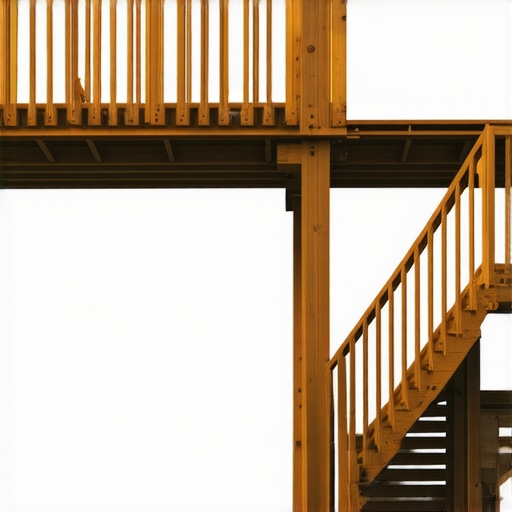
Ever had that uneasy feeling walking onto your deck, wondering if today is the day it might start to wobble or, worse, give way? I remember the first time I felt that way, standing on my newly built deck, and a tiny voice in my head whispered, “Is this safe?” Turns out, that quiet concern stemmed from a common mistake many homeowners and even some builders overlook—overcantilevering the deck frame.
In this post, I promise to share my personal experience and guide you through the critical details of what I call the “cantilever mistake.” We’ll uncover how a small oversight can lead to serious structural issues and, ultimately, a collapsed deck. My aim? To arm you with practical knowledge so you can enjoy your outdoor space safely and confidently.
Why Overcantilevering Can Be a Deck’s Downfall
As someone who’s spent years working with decking materials and design, I’ve seen it all. One mistake that sticks out like a sore thumb is overextending the deck’s framing beyond its support points. It might seem harmless—just a slight overhang, right? But in reality, this tiny lapse in judgment can set the stage for disaster.
The problem lies in how the load is distributed. When the frame overreaches, it puts undue stress on the joists and ledger boards, which are meant to carry weight only up to a specified limit. Over time, this excess stress can cause warping, cracking, or, in worst-case scenarios, complete failure of the support system.
Early in my career, I made this mistake myself. I remember thinking, “It’ll be fine,” when I added a few extra inches beyond the recommended cantilever length. Weeks later, I noticed some hairline cracks in the joists. That was my wake-up call. Since then, I’ve studied best practices and now emphasize the importance of following proper cantilever limits. Want to avoid my pitfalls? Check out [this comprehensive guide](https://deckdesignbuild.com/choosing-the-right-composite-decking-for-durable-low-maintenance-outdoor-areas) for choosing durable materials and understanding safe overhangs.
Have you ever encountered a problem caused by overextending your deck? If so, you’re not alone. Recognizing the signs early can save you from costly repairs or, worse, an accident.
In the next sections, we’ll explore how to identify risky overhangs, the correct construction techniques, and expert tips to ensure your deck remains sturdy and safe for years to come.
Lay a Solid Foundation with Proper Support
Begin by planning your deck layout on paper, marking each support point accurately, much like setting the foundation for a house. Use a measuring tape and chalk line to delineate the locations of beams and ledger boards. When installing the concrete footing, ensure it extends below the frost line to prevent shifting over time.
Limit Your Overhang to Safe Drift
Remember, the typical cantilever limit is about one-quarter the span of the joist length. For example, with 16-inch joists, the overhang should stay within 4 inches. I once cut my overhang to 6 inches on a whim, thinking it would look better. Weeks later, I noticed slight warping in the joists, signaling the importance of adhering to recommended limits. For detailed guidance, check out this resource.
Install Joists Correctly and Securely
Attach your joists perpendicular to the ledger board using galvanized joist hangers, ensuring they’re level and evenly spaced—typically 16 inches on center. Use vibration tools for fastening to prevent over-tightening, which may damage the composite or wood. I remember when I first secured my joists, I overtightened one screw, causing a crack. Learning from that, I started using the correct torque settings, ensuring each connection was firm but not stressed.
Use Proper Ledger Board Flashing
Prevent water infiltration and rot by installing flashing behind the ledger board. Overhangs outside the house wall are tempting, but always cover the ledger with metal flashing, sealed with waterproof caulk. Once, I skipped flashing on a shallow overhang, resulting in roof leak issues that compromised the ledger. Now, I always remember that a small extra step saves big headaches.
Adjust Stairs for Stability and Safety
Design stairs with a 7 to 8-inch riser height and 10 to 11-inch treads. Secure stringers firmly to prevent movement, using steel brackets or heavy-duty hangers, much like supporting a staircase in a grand theater. I once installed stringers with nails instead of screws, which caused squeaking and looseness over time. Switching to galvanized lag bolts and proper brackets eliminated the squeak, transforming my stairs into a sturdy feature.
Incorporate Reinforcements for Heavy Loads
For decks supporting hot tubs or heavy furniture, add double joists and extra ledger supports. Steel post bases also distribute weight more evenly. I built a hot tub platform and reinforced the ledger with additional ledger blocks, preventing sagging. This simple reinforcement made a noticeable difference in durability and safety, allowing worry-free enjoyment.
Adopt Best Practices from Professional Builders
Collaborate with experienced deck professionals, or consider hiring a certified builder. They can ensure your design complies with local codes and safety standards, preventing common mistakes like overcantilevering. My own project improved exponentially after consulting a seasoned contractor, who shared techniques like strategic beam placement and material selection. To get inspired and learn the latest trends, explore this comprehensive guide.
When it comes to designing your outdoor oasis, many enthusiasts and homeowners alike rely on common beliefs that can sometimes lead them astray. As an experienced deck builder, I’ve seen pervasive misconceptions that, if unchallenged, can compromise the safety, durability, and aesthetic appeal of outdoor spaces. Let’s dispel some myths and uncover nuanced truths that will elevate your outdoor living game.
Is Composite Decking Truly Maintenance-Free? Think Again
One of the most widespread misconceptions is that composite decking requires no upkeep. While it’s true that composite materials generally demand less maintenance than wood, overlooking the importance of regular cleaning and inspections can accelerate wear and reduce lifespan. Many assume that composites won’t stain or crack, but evidence suggests that factors like improper sealing of joints or exposure to harsh elements can cause discoloration and deterioration. To ensure longevity, adhere to recommended maintenance routines and choose high-quality, capped composites, which are more resistant to scratching and fading. For trends and innovations, check out the latest composite decking trends.
Stairs: Small Details That Make or Break Safety
Often, people underestimate how critical stairs are in outdoor design. A common mistake is neglecting the nuances of stair stringer design or not compensating for uneven ground conditions. Such oversight can lead to wobbly or unsafe stairs over time. Advanced builders understand the importance of proper riser-tread ratios, consistent stringer spacing, and sturdy handrails. Moreover, many overlook the role of lighting and slip-resistant treads, which are vital for nighttime safety. Take a look at this guide on stair design for expert insights. Remember, well-crafted stairs do more than just connect levels—they add style and safety to your outdoor space.
Are All ‘Professional’ Deck Builders Equal? Think Deeper
Many assume that hiring any professional guarantees a durable, safe finish. However, the quality of work can vary significantly, especially when it comes to understanding the intricacies of composite materials or proper fastening techniques. Experienced builders not only follow local codes but also anticipate long-term issues like thermal expansion, moisture infiltration, and material compatibility. It’s worth investing time in researching a builder’s background, past projects, and certifications. Collaborating with a skilled deck builder, as discussed in this article, can transform your space into a sustainable retreat. Don’t settle for shortcuts—think about the hidden craftsmanship that makes all the difference.Understanding these nuances ensures your outdoor project withstands the test of time and weather. Curious about the latest trends? Explore composite decking innovations for 2025.
Have you ever fallen into this trap? Let me know in the comments.
Keeping your outdoor deck in prime condition requires the right equipment and a proactive maintenance routine. As a seasoned deck builder, I rely on specific tools that help me ensure safety, durability, and visual appeal over the years. One staple in my toolkit is a high-quality cordless impact driver. Its power and mobility allow me to fasten screws securely without over-tightening, which is crucial when assembling composite decking to prevent damage. I personally prefer a model with brushless motors and adjustable torque settings, like the Milwaukee M18 Fuel Impact Driver, as it offers precision and longevity for frequent use.
For measuring and layout, I use a laser level instead of traditional bubble levels. This technology ensures perfectly straight lines for joist installation, which translates to a smoother, safer surface. When working on stair risers or aligning support beams, a laser level provides a quick, reliable reference that minimizes errors. I recommend the DeWalt DW088K Cross Line Laser—it’s robust and easy to operate, saving me time on each project.
In terms of cleaning and long-term upkeep, I swear by a combination of a backpack blower and a power washer with variable pressure settings. Regular sweeping with the blower clears debris that can trap moisture, reducing mold and rot risk. Periodic power washing at low pressure (around 500-600 psi) removes stains and dirt build-up without harming composite surfaces. It’s essential to protect your investment—overuse or high-pressure washing can cause surface damage. To avoid this, I follow the manufacturer’s cleaning guidelines and use eco-friendly, composite-safe cleaning solutions like those recommended by [composite manufacturer](https://deckdesignbuild.com/why-mineral-core-boards-dont-expand-like-standard-composite).
How do I maintain my deck tools over time?
Maintaining your tools is just as important as the tools themselves. Clean cordless impact drivers after each use, check battery health regularly, and store them in a dry, temperate place. Lubricate moving parts with manufacturer-approved oil to prevent rust. Keep laser levels calibrated with the manufacturer’s instructions—most offer simple self-calibration routines. Power washers should be descale and stored properly, with nozzles left in a dry place. Investing time in caring for your equipment ensures consistent performance, saving you money and frustration long-term. Looking ahead, I predict that advancements like smart tools with digital diagnostics will become standard, increasing precision and reducing downtime. Getting comfortable with current maintenance routines today will prepare you for these innovations.
If you really want to elevate your outdoor project, try setting your impact driver to an even lower torque setting when fastening composite boards. This practice can help prevent over-tightening, which is a common mistake that leads to board cracking. A small adjustment like this can extend the lifespan of your deck significantly, making it safer and more attractive over time. Need detailed guidance? Check out this resource on professional builder insights.
Lessons That Shaped My Decking Journey
One of the most profound realizations I had was that even a small overhang, if misjudged, can jeopardize the entire deck structure. The fine line between a stylish extension and a structural hazard taught me to always follow manufacturer guidelines and local codes. I also learned that water management isn’t just about aesthetics; proper flashing and drainage prevent rot and maintain strength over years. Additionally, trusting DIY enthusiasm over professional insight can lead to overlooked details—investing in expert advice or even a consultation with a seasoned builder can save time and money. Lastly, patience in planning, measuring, and assembling inevitably results in a more durable, safer outdoor space. These lessons, born from early mistakes, now guide my projects and can do the same for you.
My Go-To Resources for Building Better Decks
First, I rely heavily on this article on professional collaboration. It emphasizes how expert input can elevate your project’s safety and longevity. For choosing durable and stylish materials, guidelines on composite decking have been invaluable. I also recommend keeping up with trends and innovations via the latest decking trends for 2025. To ensure your structural details are sound, tools like a laser level (such as DeWalt’s model) and high-quality impact drivers are essentials I trust—these tools help me achieve precision and efficiency. Lastly, I suggest reading expert tips on outdoor transformation, which continuously inspire me to push the boundaries of outdoor comfort and beauty.
Your Next Chapter in Outdoor Confidence
Remember, every sturdy deck starts with a mindset focused on safety, quality, and personal growth. Your outdoor living space isn’t just about aesthetics; it’s a sanctuary built to last through seasons and memories. Embrace the lessons, utilize trusted resources, and don’t hesitate to seek professional guidance whenever needed. Your confidence in creating and maintaining a beautiful, safe deck will inspire others and transform your backyard into the ultimate retreat. Take that first step today—your dream outdoor space is within reach.
What challenges have you faced when building or maintaining your deck? Share your experiences in the comments below—I’d love to hear your story!
,