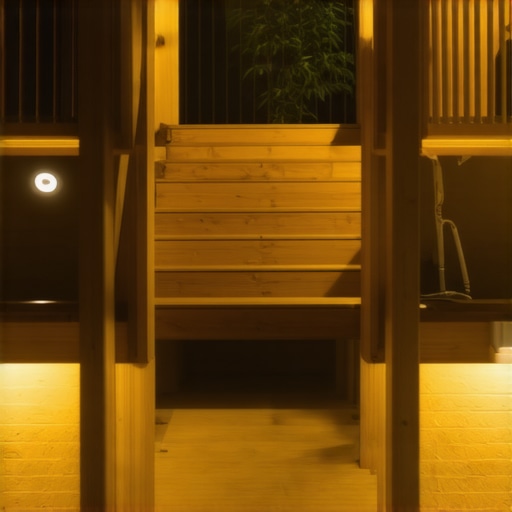
One chilly evening, I stepped onto my deck without thinking—just a quick check of the firepit before heading inside. Suddenly, I nearly tripped over the top stair. The dim light from a nearby lamp wasn’t enough, and my heart skipped a beat. That moment was a lightbulb for me: safety isn’t just about sturdy railings or slip-resistant treads; it’s about visibility, especially when the sun sets. If you’ve ever experienced a similar scare, you know how startling it can be—and how dangerous poorly lit stairs can become after dark.
Why Proper Lighting Is a Must-Have for Outdoor Stairs
Outdoor stairs are often overlooked in the overall design of a backyard or deck. We spend so much time choosing the perfect *composite decking* or planning seamless transitions that the actual stairs sometimes get neglected. Yet, they’re the highest risk area when it comes to nighttime falls. According to the CDC, there are over 1 million fall-related injuries each year involving stairs, with a significant number occurring outdoors—especially on poorly lit pathways. Proper lighting can significantly reduce this risk, creating a safer environment for your family and guests.
Is Installing Motion Sensor Lights Really Worth the Hype?
Early on, I made a mistake I see many DIYers repeat: I relied solely on existing porch lights to illuminate the stairs. Not only was that ineffective, but it also led to energy wastage and inconsistent lighting. It wasn’t until I installed motion sensor lights that I realized how much safer and more convenient lighting can be. Motion sensors activate only when needed, conserving energy while providing immediate illumination when you approach. Plus, they eliminate the need to fumble for switches in the dark—a small but impactful detail.
Since then, I’ve discovered that integrating motion sensors into your outdoor lighting setup is a game-changer. Not only do they improve safety, but they also add a touch of modern convenience to your deck area. Want to learn how to set up a reliable system? Stay with me, because I’m going to walk you through exactly what you need to do.
Before we get into the practical steps, ask yourself: have you faced that terrifying moment of almost falling on your stairs because of poor lighting? If so, you’re not alone. Let’s explore how you can avoid that feeling forever—and keep your outdoor space safer and more inviting.
Choose Your Lighting Type and Placement Carefully
Start by selecting the right lighting fixtures. LED step lights or hardwired pathway lights are popular choices due to their durability and brightness. Position them along the sides or beneath the handrail to cast clear illumination onto each tread. Think of it like lining a runway—each step should be clearly visible to prevent missteps. I once tried mounting porch fixtures directly above the stairs, but shadows obscured the lower steps, creating dangerous blind spots. After that, I shifted to side-mounted lights, which made all the difference.
Measure and Mark Every Step Precisely
Use a tape measure and a level to mark where each light will be installed, ensuring uniform spacing. Mark these spots with a pencil, and double-check measurements to avoid uneven lighting. Remember, your goal is to create a consistent glow across all treads, much like how a builder aligns risers and treads for a seamless look. When I built my own deck stairs, I initially placed the lights randomly; the result was uneven and unprofessional. Re-mesuring and marking improved the aesthetic and safety dramatically.
Prepare and Install Fixtures Step-by-Step
Before drilling, verify local wiring codes if you’re wiring lights directly. For low-voltage systems, lay out wires along the posts or joists, securing them with clips. Use weatherproof junction boxes and fittings to protect connections from moisture—think of it as applying a shield to keep corrosion at bay, similar to using drainage systems underneath a deck. When installing, connect the wiring following the manufacturer’s instructions, and test each fixture before finalizing. I once connected a lighting system without testing first, only to realize later that a strand was malfunctioning, requiring rework times and added frustration.
Connect to Power Safely and Effectively
If you opt for low-voltage lighting, use a transformer suited for outdoor use—it’s like giving your system the right ‘fuel.’ Connect all fixtures in parallel to ensure even power distribution. Conceal wires beneath decking or within protective conduits for a tidy look. In my case, hiding wires under the composite decking made for a clean finish, and protected the wiring from environmental damage, extending the life of the installation. For a more professional touch, consider consulting a deck builder or electrician; they know how to blend seamless aesthetics with safety. Check out how a skilled deck builder can enhance your project for expert insights.
Test and Fine-tune Your Lighting System
Once installed, turn on the system after sunset to check coverage. Adjust fixtures if necessary to eliminate dark spots or glare. Remember, the purpose is to guide guests safely, akin to a well-lit pathway through a garden. I learned this the hard way when my lights cast shadows that caused confusions during a family barbecue—since then, I’ve fine-tuned the placement and angle to achieve a warm, inviting glow. Regularly maintain fixtures by cleaning lenses and checking wiring connections to ensure consistent performance over time. If you’d like to explore modern design options, visit top stairs design ideas for modern outdoor spaces.While many believe that selecting the right materials, like composite decking, or installing basic lighting suffices for outdoor stairs and living spaces, the real expertise lies in understanding subtle nuances that can make or break safety and longevity. A common myth is that all composite boards are created equal; however, advances like mineral-core composites dramatically resist warping, revealing the importance of staying updated with latest trends in composite decking. Another misconception is that simple evenly spaced lighting is enough to prevent accidents, but the strategic placement of fixtures to eliminate shadowed spots—something many overlook—is critical for comprehensive safety. Avoid the trap of relying solely on surface-level solutions; investing in a skilled deck builder can ensure all these nuances are addressed meticulously. Additionally, advanced mistakes like improper joist spacing or neglecting venting beneath the deck can accelerate deterioration, undermining safety and durability. A prime example is overlooking the importance of proper stair design details that optimize not just aesthetic appeal but also structural integrity. Are you caught up in traditional thinking about outdoor safety? Let’s dig deeper into these hidden nuances that can elevate your outdoor living setup to professional standards. Have you ever fallen into this trap? Let me know in the comments.Maintaining your outdoor stairs and decking is essential to ensure longevity, safety, and peak performance. As a seasoned deck builder, I rely on specialized tools and software to streamline the process and keep everything in top shape. Regular inspections are the backbone of effective maintenance; I recommend scheduling quarterly check-ups to spot issues like loose fasteners, warped treads, or corrosion early before they escalate. For fasteners, I prefer stainless-steel screws and brackets—these resist rust and maintain structural integrity over decades, especially in coastal environments. A great tool for this is an electric impact driver with torque control, which allows for quick, consistent fastening and removal without damaging the composite material — learn more about optimal fastener choices at this detailed guide. Regular cleaning is also vital; I use a high-pressure washer with an adjustable nozzle to remove dirt, moss, and ice melt residues that can accelerate wear. Just be cautious with pressure levels to avoid damaging the surface, especially with composite decking due to its delicate finishes. For deeper cleaning and stain removal, a dedicated composite deck cleaner combined with a soft-bristle brush is effective—never use bleach or harsh chemicals that can degrade the material. Looking ahead, technological advances in maintenance software like deck management apps help schedule, log, and remind you of service intervals, warranties, and part replacements, making it easier to plan long-term upkeep without guesswork. If you haven’t yet adopted digital tools, I highly recommend trying out a deck maintenance app to keep track of your outdoor projects. How do I maintain outdoor stairs and decking over time? Keep a close eye on hardware corrosion, proactively replace worn components, and clean regularly to prevent buildup. Combining the right tools with routine inspections ensures your stairs stay safe and beautiful for years to come. For comprehensive lighting and safety upgrades, check out this guide on seamless transitions—it can significantly enhance both functionality and aesthetics. Remember, investing in quality tools and consistent maintenance practices now will save you time, money, and potential safety hazards in the future. Don’t hesitate—try implementing a quarterly inspection routine with your impact driver and composite cleaner, and notice the difference it makes in your outdoor space longevity.
Lessons Hidden in My Staircase Mistakes
One of the toughest lessons I learned as a deck builder was neglecting the importance of precise lighting placement. Early in my career, I assumed evenly spaced fixtures would suffice, but shadows and uneven illumination led to near mishaps. This experience taught me that strategic positioning isn’t just about aesthetics—it’s a vital safety component. I discovered that overlooking small details like the angle of light can make all the difference, transforming a potentially hazardous staircase into a safe, inviting feature. Moreover, I realized that relying solely on existing lighting can create blind spots; integrating motion sensors not only boosts safety but also offers energy efficiency and convenience, which many overlook when designing outdoor spaces.