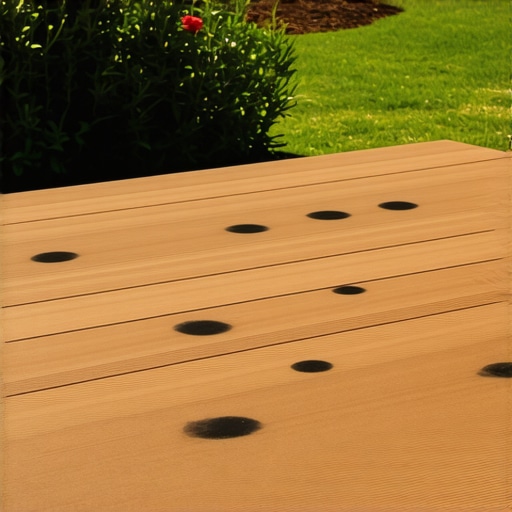
I’ll never forget the morning I stepped onto my deck and noticed something unsettling: dark, irregular spots marring the beautiful surface I had carefully chosen. At first, I thought it was just dirt or maybe mold, so I grabbed a brush and some cleaner—only to realize those spots stubbornly refused to budge. That moment was a lightbulb when I understood I wasn’t dealing with typical grime; it was something deeper, something that many outdoor living enthusiasts face without even realizing.
Untangling the Mystery of Dark Spots on Your Composite Deck
Is This Actually Just Dirt or a Sign of Something Else?
The truth is, dark spots on composite decking are often mistaken for dirt, but they’re something different entirely—called surface staining or mold growth, often caused by environmental factors or inherent material issues. Early on, I made the mistake of cleaning with harsh chemicals, which only exacerbated the problem by damaging the surface, leading to more spotty discoloration. Trust me, understanding the root cause is vital before trying to fix it.
According to a study from the Journal of Coatings Technology and Research, improper cleaning or neglecting preventative measures can accelerate surface degradation, leading to those unsightly dark patches. So, what’s happening underneath those spots—and more importantly, how can you combat it? That’s exactly what I’m here to help you uncover.
Have you ever dealt with dark spots on your deck that just wouldn’t come clean? If so, you’re not alone—and this article will guide you through understanding the causes and applying proven techniques to restore your composite deck’s beauty. Let’s explore why this occurs and how you can make your outdoor space look like new again, starting with what might be going wrong beneath the surface.
Start with a Gentle Cleaning Approach
Begin by using a soft-bristle scrub brush combined with a mild cleaning solution formulated for composite materials. I remember this one Saturday morning when I grabbed a bucket of warm water mixed with a specialized deck cleaner—pro tip: avoid harsh bleach or pressure washers initially. Gently scrub the affected areas in a circular motion, paying special attention to the dark spots. This method helps lift surface staining without damaging the composite surface. Consistent gentle cleaning can prevent mold buildup and surface staining from becoming a persistent issue.
Identify the Root Cause Before Heavy Duty Repair
Assess Environmental Factors and Material Damage
Inspect whether the dark spots are caused by mold, algae, or mineral deposits. For mold, discoloration is often accompanied by a musty smell, especially in shaded areas. Mineral deposits, on the other hand, tend to appear after heavy rain or from sprinkler runoff. A little bit of vinegar on a soft cloth can help test the nature of the stain—if it dissolves, it’s likely mineral buildup. Identifying the cause ensures you use the most effective treatment, preventing unnecessary chemical exposure or surface damage.
Apply Targeted Cleaning Solutions
For mold or algae, use a commercial deck cleaner or a diluted solution of oxygen bleach, which is less harsh than chlorine bleach. I once tried a DIY vinegar and baking soda paste—unsuccessful for stubborn mold but effective on mineral stains. Spray the appropriate solution onto the affected area, let it sit for 10-15 minutes, then scrub again with a soft brush. Rinse thoroughly with a garden hose, avoiding high-pressure sprays that could damage the surface or push dirt into seams. This *hands-on* approach restored my deck’s appearance without resorting to intensive and risky chemicals.
Regular Maintenance to Keep Dark Spots at Bay
Prevention is key in outdoor living. Schedule monthly cleanings, especially during humid months when mold and algae thrive. Consider installing a deck roof or shade structure to reduce direct sunlight and moisture retention—think of it as giving your deck a shield, similar to this stair design strategy that offers both style and protection. Also, ensure proper drainage around your deck to keep water from pooling, reducing the breeding ground for mold and staining.
Protect Against Future Damage
Apply a high-quality sealant or protective coating designed for composite decking to create an invisible barrier against moisture, stains, and mold spores. When I sealed my deck, I used a polymer-based product recommended for composite surfaces, which has significantly lowered the incidence of dark spots. Regularly inspect your deck for early signs of discoloration or mold, and address issues promptly to prevent extensive repairs later. For more on choosing durable finishes, check out this guide.
When it comes to composite decking, many homeowners and even DIY enthusiasts assume that choosing the right material or following basic maintenance routines is enough to guarantee longevity and aesthetic appeal. However, a common misconception persists: that all composite decks are virtually maintenance-free and immune to typical issues like warping, staining, or fading. In my experience, this couldn’t be further from the truth. The critical nuance lies in understanding how the specific composition and installation practices influence the deck’s performance over time, especially in demanding outdoor environments.
One widespread myth is that a higher-priced composite board automatically translates into a longer-lasting, better-quality deck. While premium materials often contain advanced mineral cores or UV-resistant additives, neglecting proper installation—such as incorrect joist spacing or poor sealing—can drastically reduce their lifespan. For example, insufficient ventilation beneath the deck can trap moisture, accelerating mold growth and causing the boards to warp or degrade prematurely. This insight underscores why consulting a seasoned deck builder is essential for ensuring that the nuances of installation are properly addressed.
Another trap to avoid is underestimating the importance of environmental factors. Many believe that composite materials are completely resistant to weathering, but studies like those published in the Journal of Coatings Technology and Research emphasize that UV exposure, temperature fluctuations, and humidity can still affect composite surfaces, especially if they’re not correctly treated or maintained. For instance, darker composite boards absorb more heat, leading to increased expansion and contraction cycles which can cause buckling or splitting. Therefore, selecting the right color and protective coatings tailored to your climate can have a substantial impact.
Some DIYers fall into the trap of using generic sealants or cleaning agents, assuming they can DIY their way to a pristine deck that lasts decades. The truth is, *not all* products are compatible with composite surfaces. Using the wrong chemicals can strip protective coatings or even cause discoloration. Trusted resources like professional-grade treatments are designed to preserve the integrity of specific composite brands. Regular inspections and tailored maintenance plans, created in consultation with experts, are what truly maximize a deck’s lifespan.
Have you ever fallen into this trap, believing that material choice alone guarantees a trouble-free outdoor space? Understanding these nuanced factors can save you from costly repairs and help create a durable, stunning deck that truly stands the test of time. Dive deeper into the latest trends and expert advice by exploring composite decking trends for 2025 and elevate your outdoor living experience.
Equip Yourself for Success
Maintaining a beautiful composite deck or stairs over time requires the right tools that can handle delicate surfaces without causing damage. I swear by a cordless oscillating multi-tool for precision cleaning and minor repairs—its versatility allows me to sand, scrape, or cut in tight spots, saving time and effort. Paired with a high-quality microfiber pad attachment, it gently buffs out scratches or stubborn stains without harming the surface, ensuring longevity. Choosing the right tools is crucial for long-term maintenance.
Invest in the Right Cleaning Solutions
I prefer oxygen bleach-based cleaners over harsh chemicals because they’re effective and environmentally friendly. For routine cleaning, I use a spray nozzle with adjustable pressure to apply the solution evenly and then gently scrub with a soft-bristle brush. This approach lifts surface grime without risking surface damage. Regular use prevents mold buildup and keeps dark spots at bay, ultimately prolonging the life of the material. Remember, always opt for cleaners formulated specifically for composite decking—using the wrong chemicals can void warranties and cause surface deterioration.
Automate Maintenance with Technology
Looking ahead, smart sensors embedded in decks could revolutionize outdoor maintenance. These sensors can monitor moisture levels, mold presence, and even warn you when cleaning is due, acting as your personal health check for your outdoor living space. While still emerging, integrating such systems could minimize manual effort and optimize the deck’s lifespan. For now, I recommend setting a monthly maintenance schedule using a weather-resistant timer connected to your garden hose or sprinklers to automate routine rinsing, reducing the buildup of mold and algae.
How do I maintain outdoor structures like stairs and railings in the long term?
Extended durability depends on using stainless steel fasteners resistant to corrosion, especially in seaside climates. I opt for composite-compatible hardware with a coating that can withstand UV exposure and moisture. Also, inspecting joints periodically for cracks or loosening and resealing with high-quality products can prevent costly repairs later. To keep stairs safe and secure, I regularly check riser heights and tread stability—remember, a stable staircase is the backbone of safe outdoor living. For more expert insights, check out this article.
Predicting Future Trends in Deck Maintenance Tools
The future of outdoor space upkeep is undoubtedly leaning toward automation and smart technology integration. Advanced AI-driven sensors and robotic cleaners will likely become standard, providing real-time insights and cleaning schedules tailored to your specific environment. Keeping abreast of these innovations and adopting smart maintenance tools today will position you ahead of the curve. For practical guidance on selecting durable, low-maintenance materials compatible with these trends, explore this comprehensive guide.
Start experimenting with a high-end oscillating multi-tool or consider installing moisture sensors—small changes that can significantly extend your outdoor living space’s beauty and safety. Remember, a little investment in good tools now saves countless headaches later, so don’t skimp on quality when selecting equipment for your deck upkeep.

The Hardest Lesson I Learned About Composite Decks, Stairs, and Outdoor Living
One of the most eye-opening realizations I had was that even top-tier composite decking isn’t completely maintenance-free. Early on, I believed that by simply installing quality materials, I could forget about upkeep. However, neglecting routine inspections and proper cleaning led to stubborn dark spots and surface degradation that I couldn’t ignore anymore. This taught me that consistent maintenance and understanding environmental impacts are essential for longevity.
The Quiet Barriers That Can Ruin Your Deck’s Charm
I used to underestimate how small details matter—like the type of fasteners or sealants I selected. Choosing rusty, incompatible hardware or neglecting proper flashing turned minor issues into major repairs over time. These lessons made me realize that paying attention to hardware quality and installation details can make or break the durability and beauty of your outdoor space.
How Personal Experience Transformed My Approach to Outdoor Living
Through trial, error, and a few failed upgrades, I found that engaging with trusted professionals and credible resources saved me time and money. Reading detailed guides and consulting deck builders helped me avoid common pitfalls—like improper joist spacing or sealing mistakes—that could jeopardize safety and aesthetics. This journey underscored how ongoing education and expert advice are invaluable for any outdoor living enthusiast.
My Essential Toolkit for Maintaining Composite Decking and Stairs
I personally swear by a cordless oscillating multi-tool for delicate cleaning and minor repairs; its versatility allows me to address issues without damaging sensitive surfaces. A soft-bristle scrub brush paired with eco-friendly, composite-specific cleaners effectively tackles stains and mold. For deeper issues, a quality microfiber pad for gentle buffing and a garden hose with adjustable pressure are irreplaceable—these tools keep my deck looking new year after year. Investing in reliable equipment truly pays off in preserving outdoor spaces.
Inspiring Action: Take Charge of Your outdoor Oasis
Don’t wait for dark spots or surface damage to become overwhelming—active maintenance and informed choices empower you to keep your composite deck and stairs beautiful for years to come. Embrace the latest tools, techniques, and expert insights to craft an outdoor living area that’s not only stunning but also resilient against nature’s challenges. Your outdoor oasis is within reach—start today, and enjoy the pride that comes with a well-maintained space.
What’s the most surprising lesson you’ve learned about maintaining composite decking or outdoor stairs? Share your experience below—I’d love to hear your story!
,
Comments are closed.