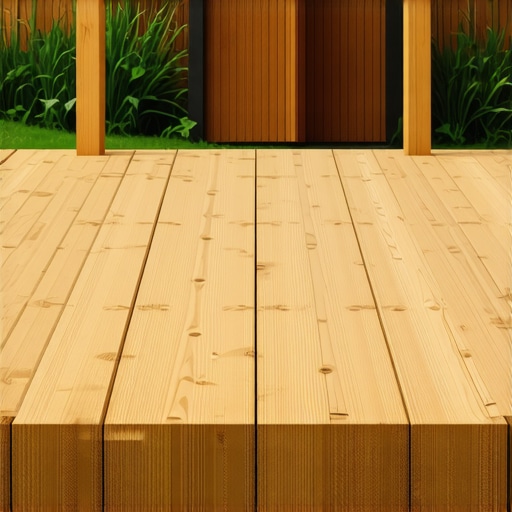
I remember the exact moment I realized my backyard was missing something essential—a inviting outdoor space that didn’t feel like an afterthought. I was eager to host summer barbecues and unwind on weekends, but every deck idea I had seemed tied to my house, making installation complicated and restrictive. It was a lightbulb moment when I thought, “What if I could create a deck that stands independently, free from the house yet still connects seamlessly to my outdoor living?” That challenge sparked a journey that transformed my backyard—and it can do the same for you.
Breaking Free from Traditional Decks
Traditional decks often require anchoring directly into your home, which can involve complex permits, structural modifications, and a loss of flexibility in design. The idea of building a freestanding deck felt daunting at first, mainly because I was worried about stability, cost, and making sure it looked like a natural extension of my yard rather than an afterthought.
Over time, I discovered that a well-designed freestanding deck can offer better versatility—allowing you to reposition, expand, or even relocate your outdoor space as your needs evolve. Plus, it’s a fantastic solution if your house has old or uneven foundations, or if you’re planning other major outdoor projects that might interfere with attaching directly to the structure.
Early on, I made a mistake that many beginners do—assuming that a deck without attached footings would be inherently unstable. I learned the hard way that precise planning and proper support systems are essential. This realization opened up a world of design possibilities, and I want to share my insights to help you avoid common pitfalls and make your project a success.
Why Now Is the Perfect Time to Build Freestanding
With increasing trends toward outdoor living, a beautiful, functional, and flexible deck is more desirable than ever. According to industry experts, composite decking is rising in popularity, especially with its low maintenance and durability benefits—a fact supported by recent studies from Deck Design & Build. Building a freestanding deck gives you control over layout, materials, and future upgrades without being constrained by your home’s existing structure.
If you’ve ever felt limited by the orientation or proximity of your house, or worried about damaging your foundation, a freestanding option might be just what you need. Plus, it’s an approachable project for DIYers and professionals alike, offering a balance of challenge and reward.
Thinking about whether this is the right choice for your space? Let’s explore step-by-step how to design and build a deck that stands tall and proud—independent of your house but integrated beautifully into your outdoor oasis.
Design with Intention and Precision
Start by measuring your available space accurately, using a tape measure and marking the perimeter with stakes and spray paint. Visualize your layout, considering pathways, furniture placement, and the relationship to your existing yard features. Choose durable, low-maintenance composite decking materials like those highlighted in the 2025 trends guide to ensure longevity and style. During my own project, I used a chalk line to define the deck outline, which kept measurements straight and helped avoid costly mistakes later on.
Construct a Stable Foundation
Plan the Post Support System
Like assembling building blocks, your deck’s stability depends on a solid support system. Install pressure-treated concrete footings or piers spaced according to your deck’s size and load expectations. Think of these as the legs of a table—they must be level and evenly spaced. For my setup, I used adjustable deck piers that allowed fine-tuning on uneven ground, preventing future wobble and uneven surfaces.
Set Post Anchors Correctly
Secure post anchors into the footings, ensuring all posts are plumb and aligned. Use a level to check every post before attaching. Proper anchoring is essential; otherwise, your deck risks wobbling or sinking over time. I once skipped this step, resulting in a wobbly deck that I had to disassemble and redo—lesson learned.
Frame Your Outdoor Living Space
Build the perimeter frame by attaching horizontal beams to the supported posts, creating the deck’s skeleton. Use galvanized or stainless steel fasteners for rust resistance. Stay consistent with spacing—approximately 16 inches on center—to support the decking boards evenly. During my build, I found that pre-drilling holes prevented splitting when attaching the beams, significantly improving the frame’s stability and lifespan.
Lay the Composite Decking Boards
Begin installing your composite boards from one end, using hidden fasteners for a clean look. Use spacers to maintain consistent gaps for drainage—about 1/8 inch apart. Think of the decking as a puzzle—each piece fitting snugly into the next, but with enough room to accommodate expansion. I used a tapping wedge to align boards precisely, achieving a seamless appearance and preventing buckling during hot summer days.
Build Stylish and Safe Stairs
Design stairs that complement your deck and prioritize safety. Use solid risers and standard step heights of 7-8 inches for comfort, and ensure depth accommodates your foot comfortably. Attach stringers securely with heavy-duty brackets designed for outdoor use, such as the innovative steel options discussed in 2026 upgrade. I once neglected to ensure proper stringer spacing, leading to sagging treads—avoid that by following strict measurements and using quality hardware.
Incorporate Seamless Transitions
Integrate your deck with existing patios or pathways by creating smooth transitions. Use wider step treads or matching materials to bridge different surfaces seamlessly. Refer to the techniques in transition methods to avoid trip hazards and ensure visual flow. During my project, careful planning of transition points prevented tripping accidents and improved aesthetic continuity.
Add Lighting and Privacy to Enrich Experience
Innovative lighting solutions and privacy screens can make your outdoor space inviting and functional even after sunset. Conceal wires using channels hidden within the decking, as shown in proper wiring techniques. For privacy, install lattice panels or planting beds around your deck’s perimeter—both enhance beauty and intimacy. My own setup benefited from subtle post-cap lighting, creating a warm ambiance without overpowering the natural setting.
Plan for Longevity and Maintenance
Choose high-quality composite decking, like those recommended in the benefits article, to reduce upkeep and avoid common issues like warping or discoloration. Regular cleaning with gentle soap and water extends your deck’s life. During my own project, I installed a gutter system beneath the decking to direct rainwater away, preventing wood rot and keeping the area dry and safe.
When it comes to choosing composite decking, many homeowners believe that selecting the latest color or finish is enough to guarantee durability and performance. However, beneath the surface lies a complex web of subtleties that can make or break your outdoor project. For instance, a common myth is that all composite boards are created equal—this couldn’t be further from the truth. As highlighted in industry insights, variations in mineral composition, core technology, and manufacturing processes significantly impact a board’s resistance to warping, scratching, and UV degradation. Failing to consider these factors may lead to premature replacement or costly repairs.
One advanced mistake many overlook is the importance of proper installation techniques tailored to specific composite materials. For example, using traditional fasteners on mineral core boards can cause staining or material splitting, undermining long-term integrity. An expert deck builder knows to select corrosion-resistant screws and follow manufacturer guidelines meticulously. This attention to detail enhances not only the aesthetic appeal but also the safety of your outdoor space. Dive deeper into the benefits of working with professionals [here](https://deckdesignbuild.com/the-benefits-of-working-with-a-professional-deck-builder-in-your-outdoor-projects).
Another nuance often missed involves the staircase design—particularly, the importance of stringer support and riser details. Subtle miscalculations in stair rise and run can lead to uncomfortable, unsafe steps. The criticality of these precise measurements is supported by research from the American Institute of Timber Construction, emphasizing that accurate stringer installation reduces wobbling and enhances durability. An advanced builder will ensure each component aligns perfectly, avoiding common pitfalls like uneven tread depth or improper load distribution.
Furthermore, the choice of outdoor living elements, such as integrated lighting or privacy screens, requires forethought. A mistake here is to consider these features as add-ons rather than integral parts of the design. Proper wiring techniques, as explained in detailed guides, prevent issues like wiring exposure or damage from weather. Additionally, selecting materials that complement your composite deck, both functionally and aesthetically, can elevate your space from ordinary to extraordinary.
In sum, understanding these nuanced aspects—material differences, installation precision, and integrated design—can significantly influence your outdoor living experience. Don’t let common misconceptions limit your project’s potential. Want more insights? Explore [innovative outdoor living ideas with composite decking in 2025](https://deckdesignbuild.com/innovative-outdoor-living-ideas-with-composite-decking-in-2025) and elevate your backyard today. Have you ever fallen into this trap? Let me know in the comments.Maintaining a beautiful, durable composite deck requires the right tools and techniques. One essential investment is a high-quality power washer with adjustable pressure settings, like the Simpson Cleaning ALH3420, which I personally use to remove stubborn dirt and algae without damaging the surface. Pair it with a soft-bristle brush and a cleaning solution formulated specifically for composite materials, such as Armstrong Clark’s Deck Wash, to ensure thorough yet gentle cleaning, extending your deck’s lifespan and keeping it looking freshly installed. For routine inspections, I rely on a digital moisture meter to detect potential rot or soft spots early, especially around support posts and stair stringers. This proactive approach aligns with industry advice from experts emphasizing regular monitoring to prevent costly repairs down the line.[https://deckdesignbuild.com/the-secret-to-maintaining-your-composite-warranty] To tackle repairs or minor cosmetic issues, I keep a supply of epoxy filler and a detailing brush, which allows precise fixes that blend seamlessly with the existing surface. Additionally, a set of stainless steel screws and a cordless impact driver streamline hardware replacements and ongoing upgrades, ensuring durability in outdoor conditions. Looking ahead, advancements in smart maintenance tools, such as IoT moisture sensors and app-controlled cleaning devices, promise to make upkeep even more effortless in the future. If you’re serious about keeping your outdoor living space stunning, start by investing in a quality power washer and a maintenance plan tailored to your deck’s materials. Why not try out one of these tips today—perhaps beginning with a thorough power wash to see immediate results?
Lessons Hidden in My Deck Building Journey
One of the most overlooked lessons I learned was that even the best-designed freestanding deck needs meticulous planning for support and stability. Jumping into projects without understanding load distribution led to wobbling structures, teaching me to prioritize precise measurements and quality materials. A key lightbulb moment was realizing that supporting posts must be carefully supported by adaptable footings—nothing beats flexibility and accuracy for long-lasting results.
Knowing the difference between composite materials is essential; mineral-core boards, for example, resist warping better and maintain color longer, but many builders fail to test their resistance thoroughly. I now routinely research manufacturer specifications and industry tests before choosing decking boards, saving myself from avoidable repairs and replacements down the line.
Stair design was another area I underestimated. Achieving combination of safety and style meant paying close attention to riser heights and stringer support—improper steps can be dangerous and unappealing. Learning from experts in 2025 stair design trends helped refine my approach, making each step both safe and elegant.
Tools That Elevated My Outdoor Projects
The right tools are game changers. I rely heavily on a quality power washer like the Simpson ALH3420 paired with composite-friendly cleaning solutions such as Armstrong Clark’s Deck Wash. Regular inspections using a moisture meter prevent small issues from escalating into major repairs, especially around posts and stair stringers. A cordless impact driver with stainless steel screws makes hardware upgrades straightforward, prolonging the deck’s lifespan.
Exploring smarter maintenance options, like IoT moisture sensors, is exciting and holds promise for effortless upkeep. For anyone serious about outdoor living, investing in these tools and learning proper techniques from trusted resources like professional experts can dramatically increase project longevity and satisfaction.
Take Action and Make Your Outdoor Vision Real
Transforming an outdoor space with a freestanding deck is within your reach—once you understand the nuances and invest in the right tools. Whether you’re rethinking your layout, choosing durable materials, or designing safe stairs, every step brings you closer to your perfect backyard retreat. Don’t wait for the perfect moment—start planning today and enjoy the outdoor haven that reflects your personal style.
What’s the biggest challenge you’ve faced or fear about building a freestanding deck? Share your thoughts below—I’d love to hear your story and help you find solutions.
,