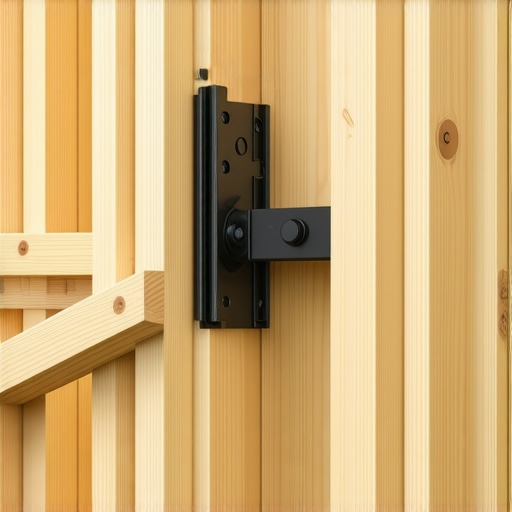
I remember the first time I constructed a deck from scratch. Excited, eager, I was ready to enjoy my new outdoor oasis. But soon enough, I faced a frustrating wobble in my stairs that just wouldn’t go away. It turned out I had overlooked a small but vital component—heavy-duty joist hangers. That oversight cost me time, money, and a lot of unnecessary worry. It was a lightbulb moment that made me realize something crucial: some of the most seemingly insignificant parts can make or break the durability of your outdoor space.
The Unsung Hero in Deck Stability
Many builders, especially those new to outdoor projects, tend to skip or underestimate the importance of heavy-duty joist hangers. These tiny metal brackets are the backbone of a solid, safe deck. They’re often considered an afterthought, with some thinking, “It’s just a bracket; how important can it be?” But in reality, their role is far more significant. They ensure the proper support and alignment of joists, preventing sagging, shifting, or, worse, structural failure over time. Skipping or using inferior hangers can be a pitfall that leads to costly repairs or safety hazards.
Honestly, my early mistake was choosing cheaper, generic hangers without considering their load ratings or corrosion resistance. That cheap decision reflected poorly in the long run. As a professional deck builder once told me, “Investing in quality hardware is investing in your safety and peace of mind.” That advice has stuck with me ever since.
Have you ever had a project where a small component caused big issues later? If so, you’re not alone. Many DIYers and even seasoned builders overlook these essentials until problems emerge. But here’s the good news: understanding and choosing the right heavy-duty joist hangers can dramatically enhance your project’s longevity.
In the sections ahead, I’ll share practical tips, common pitfalls to avoid, and how to select the best hangers that will support your deck for years to come. Ready to strengthen your outdoor living space from the ground up? Let’s dive in.
Prepare Your Workspace and Materials
Begin by gathering high-quality heavy-duty joist hangers rated for your deck’s load, preferably corrosion-resistant galvanized or stainless steel. Clear your work area, ensuring a flat, dry surface free of debris. Inspect all components for defects or damages to prevent issues during installation.
Mark and Position the Hangers Correctly
Place the ledger board and joists in position, then use a measuring tape and chalk line to mark where each hanger will attach. Ensure the hangers are flush against the joist and aligned properly—think of it as setting the foundation for a sturdy bridge. Double-check spacing according to your plan, typically 16 or 24 inches apart, depending on your design.
Install the Hangers with Precision
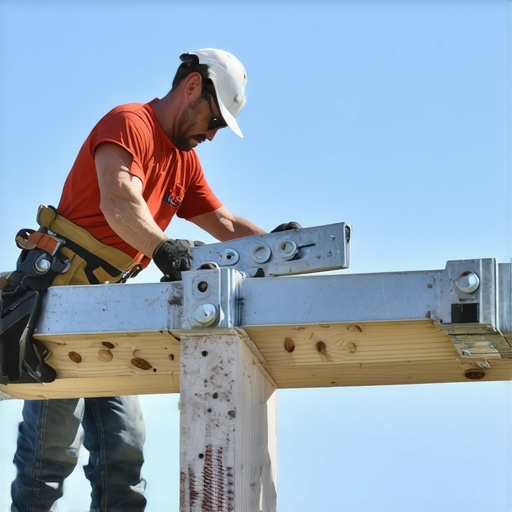
Secure each hanger to the ledger or beam using galvanized screws or nail bolts specified by the manufacturer. Use a power drill with the correct bit to drive fasteners consistently, avoiding over-tightening which can deform the metal. For each joist, place it into the hanger and temporarily hold it with a clamp or a helper.
Clamp and Verify Alignment
Before final fastening, double-check that every joist is perfectly aligned—imagine setting dominoes in a straight row. Use a level to ensure that joists are vertical and flat, preventing future sagging or uneven decking surface. This step is critical for a safe, professional finish.
Secure and Reinforce for Durability
Fasten each joist firmly into the hangers using the recommended number of fasteners, ensuring they are flush without protrusions. For extra security, some builders add structural screws or bolts through the hanger into the joist for increased load capacity. Think of this as adding steel braces to a building—reinforcing the whole structure.
Check the Final Alignment and Tightness
Use a level and measuring tape across the entire frame to confirm consistent spacing and straightness. Make adjustments as necessary before proceeding with decking installation. Remember, a solid foundation pays off as your deck evolves into a stunning outdoor feature.
Applying these precise steps was my game-changer. When I recently built a new deck, I spent extra time aligning and securing each hanger meticulously. The result was a deck that not only looked professional but also stood firm against the test of time and weather.
If you’re ready to move forward, consider exploring designing safe stairs or consult with professionals via our contact page for personalized guidance. Remember, investing effort during installation ensures your outdoor space remains safe and beautiful for years to come.
 While many believe that choosing standard materials and following basic construction techniques guarantees a durable outdoor space, the reality is far more nuanced. A common misconception is that all composite decking or stair designs are created equal, leading builders to overlook critical subtleties that can impact longevity and safety. For instance, not all composites resist warping or slipperiness equally; understanding the specific properties of different brands—like those discussed in our guide on [composite decking trends for 2025](https://deckdesignbuild.com/composite-decking-trends-2025-the-ultimate-guide-for-outdoor-enthusiasts)—can save headaches down the line. One advanced mistake is neglecting proper ventilation of deck supports, which experts say is essential to prevent moisture buildup and rot, especially in high-humidity climates. According to a study by the Building Science Corporation, inadequate venting can reduce the lifespan of your deck by up to 30%, emphasizing the importance of detailed planning. Additionally, many DIYers underestimate the importance of precise joist spacing; improper spacing leads to uneven weight distribution and premature wear. So, how can you avoid these pitfalls? *Make yourself aware of advanced design principles and quality standards, such as those detailed in articles on [seamless transitions](https://deckdesignbuild.com/creating-seamless-transitions-stairs-as-key-elements-in-outdoor-living) and [support techniques](https://deckdesignbuild.com/why-some-composite-boards-get-slippery-and-how-to-spot-the-good-ones).* A professional deck builder not only ensures structural integrity but also optimizes aesthetics and safety—elements that are often compromised in amateur projects. To truly master outdoor living, recognize that these nuances—like proper joist ventilation, material selection, and detailed framing—are what differentiate a good build from a great one. Want to elevate your outdoor space? Check out how a skilled builder can turn your garden into a personal oasis by exploring [our detailed guide](https://deckdesignbuild.com/how-a-skilled-deck-builder-can-turn-your-garden-into-a-private-oasis). Remember, paying attention to these intricate details now can prevent costly repairs later. Have you ever fallen into this trap? Let me know in the comments.
Ensuring your deck, stairs, and outdoor living spaces remain functional and beautiful over the years requires the right tools and a proactive maintenance routine. My approach combines high-quality equipment with precise techniques that deliver long-term results. In this post, I’ll share the tools I personally rely on, along with insights into future trends in outdoor space upkeep.
Invest in Power Tools for Efficiency and Precision
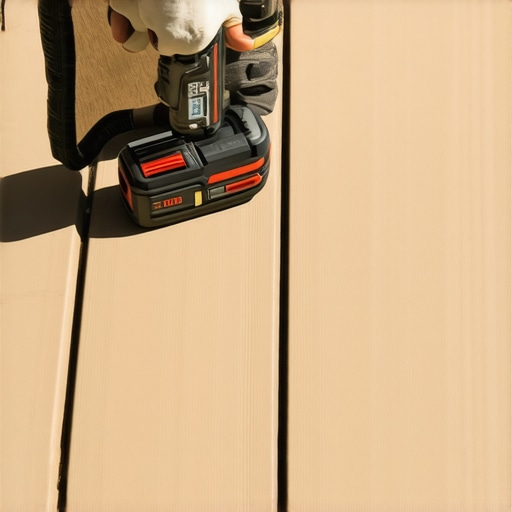
One of my most-used tools is a corded or cordless impact driver equipped with corrosion-resistant bits. This allows me to fasten joist hangers and decking fasteners securely without damaging materials. A speed-adjustable drill is also invaluable for drilling pilot holes, especially for stainless-steel screws which are crucial in outdoor environments. I prefer models with torque control; it helps prevent overdriving fasteners that can deform composite decking.
For trimming and shaping composite materials, a fine-tooth circular saw with a carbide blade does the job efficiently. The key is to avoid melting or chipping the surface, which can be achieved through proper blade selection and speed adjustment. I also recommend a multi-tool with a detail sanding attachment—perfect for finishing edges and removing excess adhesive or debris during installation.
Use Growing Software for Design and Maintenance Planning
While physical tools handle installation, digital solutions streamline maintenance. For long-term results, I rely on design software like Sketchup or specialized CAD programs tailored for outdoor construction. These programs help visualize repairs, replacement schedules, and structural reinforcements, especially when scaling projects or integrating new features like lighting or extra staircases. Keeping a digital log of your layout and maintenance history simplifies future upgrades and ensures safety compliance.
Embrace Regular Upkeep with Smart Techniques
Annual inspections are essential. I check joist supports for corrosion using a moisture meter—addressing minor issues early prevents costly repairs. Applying protective sealants or primers on wood components enhances longevity. For composite decks, cleaning with a gentle, non-abrasive brush and a solution recommended by manufacturers helps prevent mold and staining. Remember, consistent cleaning and timely repairs extend the life of every component, from railings to foundations.
Predicting Where Outdoor Maintenance Is Heading
The future of outdoor living maintenance points toward automation and smarter materials. Automated cleaning robots and robotic inspection devices are on the rise, reducing the manual effort needed for upkeep. Advancements in composite material formulations will continue to improve resistance to warping, staining, and UV degradation, making maintenance simpler. Staying updated on these innovations will keep your outdoor space both stunning and practical for decades.
How do I keep my deck in top shape over time?
Regular inspections paired with the right tools make all the difference. Incorporate seasonal checks for stability, corrosion, and surface wear. Use impact drivers for secure fastenings, and leverage digital design tools to plan upgrades or repairs. Don’t forget to consult professionals for complex issues—our contact page is always open for personalized guidance. A well-maintained deck is not only beautiful but also safe and durable, capable of hosting outdoor gatherings for many years to come.
If you’re eager to learn more about maintaining composite decking, check out our guide on choosing the right composite materials that reduce upkeep burdens. Try implementing a quarterly inspection routine using a moisture meter to catch early signs of deterioration—that small step can significantly prolong your deck’s lifespan.
With the right tools, consistent care, and an eye on emerging trends, you’ll keep your outdoor spaces inviting and safe for years to come. Remember, proactive maintenance today ensures a stunning, worry-free outdoor oasis tomorrow.
Three Unexpected Truths About Deck Stability I Wish I Knew Sooner
First, overlooking even tiny hardware like heavy-duty joist hangers can lead to wobbling stairs and shaky decks—don’t underestimate their importance. Second, not all composite materials are created equal; understanding their real-world performance saves you from future repairs. Lastly, embracing meticulous measurements and proper ventilation during construction ensures your outdoor space stands the test of time, weather, and heavy use. These insights came from my personal journey, turning my initial mistakes into invaluable lessons that now guide every build I undertake.
Tools and Tips That Transformed My Outdoor Projects
I’ve come to rely on specific tools and resources that make the process smoother and more reliable. A high-quality impact driver with corrosion-resistant bits speeds up fastening while preventing damage. Design software like Sketchup helps me visualize and perfect layouts before cutting materials. Regular inspections with moisture meters and applying protective sealants extend the lifespan of my decks. For ongoing inspiration and expert advice, trusted sources like the latest composite decking trends and professional tutorials guide my decision-making. Combining the right tools with continuous learning makes all the difference.
Your Next Outdoor Makeover Starts Here — No Fear Needed
Building or improving your outdoor space doesn’t have to be daunting. With attention to detail, a few proven techniques, and a willingness to learn, you can create a beautiful, durable deck that becomes the heart of your backyard. Remember, every great project begins with a single step—so go ahead, start planning, and turn your outdoor living dreams into reality. For personalized guidance or to explore innovative ideas, don’t hesitate to reach out to us. Your perfect outdoor sanctuary is within reach—dive in with confidence!
Comments are closed.