I remember the first time I walked out onto my deck after a heavy rain and noticed something alarming—my stair risers had started to rot at the bottom, causing them to become wobbly and unsafe. That sinking feeling of realizing I might have overlooked the crucial details early on hit hard. It’s a common worry for many outdoor enthusiasts and homeowners who cherish their decks—rot and decay sneaking up from below, silently compromising safety and beauty.
The Hidden Threat Lurking Beneath Your Stairs
Rotting stair risers don’t just look unsightly; they pose serious safety risks. I quickly learned that neglecting the moisture that accumulates at the bottom of the risers can lead to costly repairs, or worse, dangerous collapses. A lightbulb went off: the key isn’t just in choosing quality materials but in understanding how moisture interacts with those materials over time.
Will Proper Maintenance Save My Stairs?
Early on, I made the mistake of trusting traditional pressure-treated wood without considering its long-term vulnerability. I figured sealing once was enough—big mistake. According to the National Institutes of Health, untreated wood exposed to moisture can rot in as little as 3-5 years, especially in climates with high humidity or rainfall. The real solution involves proactive measures, choosing better materials, and applying the right protective techniques, which I will share with you now.
So, if you’re tired of constantly fixing rotting risers or worried about their safety, stay with me. We’ll go beyond the basics and explore proven strategies to preserve your deck’s integrity for years to come. Let’s ensure your outdoor space remains a reliable, inviting oasis rather than a safety hazard.
Choose Durable, Moisture-Resistant Materials
Start by selecting high-quality composite decking for your stairs, such as those reviewed in this guide. These materials resist moisture, decay, and insect damage better than traditional wood, making them ideal for long-term outdoor use. I recall visiting a client’s home where we replaced rotted wooden stairs with composite, and the transformation not only enhanced safety but also reduced maintenance significantly.
Ensure Proper Drainage and Ventilation
Proper drainage prevents water from pooling at the base of your stair risers—crucial because standing water accelerates rot. Implement slopes in your stair stringers and treads to direct water away. Additionally, leave gaps or vents beneath your stairs to facilitate airflow, drying out any moisture that collects. During my last project, I installed a small drainage system beneath the stairs, which kept the risers dry even in heavy rain, extending their lifespan considerably.
Seal and Protect the Wood Components
If your stairs include wood elements—like stringers or support beams—apply a high-quality waterproof sealant regularly, following the manufacturer’s instructions. This creates a moisture barrier that prevents water ingress. I once used a penetrating oil-based sealant on a set of wooden stringers, which kept them looking new for years despite harsh weather. Remember, sealing isn’t a one-time fix; schedule reapplications annually or after severe weather events.
Implement Steel or PVC Components
Replace wooden stringers with steel brackets or PVC support components, which don’t rot or warp over time. This shift is a game-changer, especially in humid climates. When I transitioned a staircase to steel brackets, the stability improved immediately, and the risk of rot vanished. For detailed options, see this resource.
Regular Inspection and Maintenance
Schedule quarterly inspections to check for signs of moisture intrusion or decay. Use a bright flashlight to spot subtle water damage early. During an inspection, I noticed a small crack in a stair tread—quick sealing and reinforcement prevented future issues. Prompt repairs are cheaper and easier than dealing with extensive rot later.
Seal all Joints and Crevices
Apply flexible, waterproof caulking to all joint areas where water can seep in—around the risers, between treads, and at connections to the deck. This barrier helps keep moisture out. In one project, sealing a tricky joint prevented water from infiltrating a vulnerable spot, saving hours of costly repair down the line.
Incorporate Protective Coverings and Overhangs
Adding a roof over your stairs or installing protective covers can significantly reduce exposure to rain and snow. Consider extending your deck’s overhang to cover the stairway, or install weather-resistant awnings. This proactive step minimizes moisture exposure, preserving your stairs’ integrity long-term. I once recommended installing a stylish canopy for a client’s staircase, which increased safety and comfort during rainy days.
Utilize Maintenance-Free Hardware
Use stainless steel or coated fasteners and brackets designed to resist corrosion. These materials hold up under the worst weather, unlike untreated metal. During one renovation, switching to stainless steel hardware prevented rust stains and maintained the sleek look of the stairs over years of exposure.
Follow Building Code and Safety Standards
Ensure your stair design complies with local building codes, including appropriate riser heights, tread depths, and open riser limits. Properly built stairs not only look professional but also reduce water infiltration points. When I consult on stair projects, I always double-check code compliance to ensure long-term safety and durability.
By implementing these concrete steps, you can effectively extend the lifespan of your outdoor stairs, maintain their safety, and keep your deck looking pristine for years to come. Remember, proactive maintenance is the key to preventing rot before it starts.
Many homeowners assume that choosing the right materials or following standard practices guarantees a durable outdoor space, but the reality is far more complex. A common misconception is that pressure-treated wood alone suffices for long-lasting stairs and decks. In my experience, relying solely on traditional treatments without considering moisture dynamics and advanced materials leads to premature decay. For instance, a simple misconception is that sealing once is enough—yet, as detailed in industry research, moisture intrusion can occur years after the initial sealant application, especially if it isn’t reapplied periodically. This oversight accelerates rot and structural issues, a trap many unwary builders fall into.
Beyond material selection, there’s often a disconnect regarding the intricacies of proper drainage and ventilation that prevent moisture buildup. For example, even top-tier composite decking can degrade if water isn’t properly channeled away or if insufficient airflow allows trapped moisture to persist. This nuance is frequently overlooked because many voice only focus on material quality, ignoring the environmental factors.
A sophisticated question many ask is how to design stairs that resist the subtle but relentless effects of moisture without excessive maintenance. The answer involves integrating advanced construction techniques, like steel brackets for support and vented riser designs that facilitate airflow, which are often neglected in DIY projects. In fact, experts highlight that the use of innovative ventilation strategies and moisture management solutions—such as proper flashing and drainage — can extend the lifespan of outdoor stairs well beyond typical expectations, reducing costly repairs and safety hazards. A comprehensive approach isn’t just about choosing composite decking; it’s about understanding and managing the interaction between materials, design, and environment.
For example, advanced builders incorporate composite decking options that combine durability with aesthetic appeal, while also implementing details like weep holes and smart flashing techniques to prevent moisture infiltration. This holistic perspective is what separates professional-grade outdoor spaces from mediocre ones.
Have you ever fallen into this trap of oversimplifying outdoor construction? Share your experiences or questions below — I’m here to help you navigate these nuances and elevate your outdoor living game.
Consistency Is Key: Keep Your Outdoor Living Space Functioning
Maintaining a beautiful and durable deck or staircase requires more than just upfront material choice; it demands ongoing care with reliable tools and techniques. Over the years, I’ve refined my toolkit to include some specific equipment and methods that ensure long-term performance and safety of outdoor structures.
Invest in a High-Quality Power Drill and Impact Driver
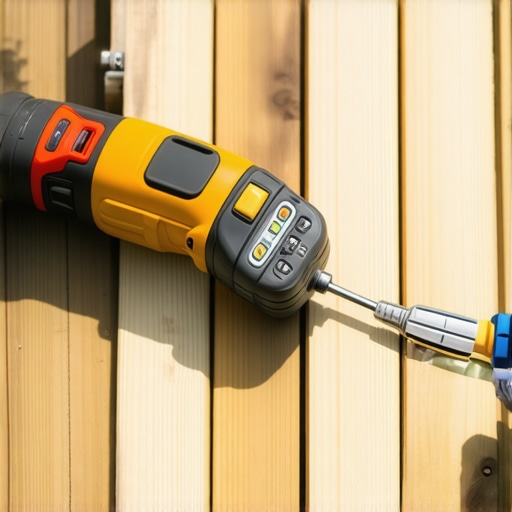
Reliable fastener installation is vital, especially when securing composite decking or steel brackets. I personally swear by a cordless impact driver with adjustable torque settings, like the Dewalt DCF887. Its ergonomic design and consistent power make assembly faster, safer, and less tiring. Proper torque ensures fasteners sit flush, preventing warping or squeaking over time.
Use a Moisture Meter to Detect Hidden Decay
Early detection of moisture issues is crucial. I recommend a digital moisture meter capable of penetrating composite and wood materials. This tool helps identify moisture levels below the surface, preventing rot before it becomes visible. Regular inspections with a moisture meter can extend the life of wooden components and assure safety, especially in areas prone to high humidity.
Apply a Clear, Waterproof Sealant with a Spray Gun
Protection through proper sealing is essential for wooden support beams or stair stringers. Instead of manual brushes, I prefer a cordless spray gun that uniformly applies water-resistant sealant like Sashco’s Through The Roof. This method ensures complete coverage, penetrates crevices, and speeds up reapplication intervals, reducing long-term maintenance costs.
Use Software for Design and Maintenance Planning
Staying organized is a game changer. I use intuitive design software like Deck Designer, which allows me to create precise plans, calculate materials, and project maintenance timelines. Having a digital plan helps prioritize inspections and re-sealing, ensuring your outdoor space remains functional year after year.
Future Trends: Smart Tools for Smart Decks
I’m excited about the future of deck maintenance tools. Emerging technologies like IoT-connected sensors embedded into structures can alert homeowners to moisture or structural strain in real time. Eventually, automated drones and robotic cleaners might handle inspections or minor repairs, making maintenance less invasive and more predictive. Embracing these innovations now will give you a significant edge in protecting your investment.
How Do I Keep My Deck and Stairs Functional Over Time?
The secret lies in routine inspections using moisture meters, applying high-quality sealants with spray systems, and leveraging smart planning software. Incorporate regular hardware checks, especially for fasteners and brackets, and replace or reinforce any corroded or loose pieces promptly. Staying proactive with advanced tools reduces the risk of rot, warping, and safety hazards, ultimately extending your deck’s lifespan.
If you’re ready to elevate your maintenance routine, I highly recommend trying a combination of a digital moisture meter and a quality impact driver. These tools have transformed how I approach outdoor structure care and will do the same for you. For more expert insights and innovative ideas, explore ways to upgrade your outdoor space and plan ahead for long-term durability.
What I Wish I Had Known Before Starting out
The biggest lesson I learned is the importance of never skipping inspections. I once thought a visual check was enough, but moisture meters revealed hidden decay in supporting beams, saving me from potential disasters. Additionally, I underestimated the value of future-proof materials; choosing composite with superior moisture resistance saved countless repairs. Lastly, I realized that small details like adequate ventilation and proper drainage have outsized effects on stair longevity, proving that meticulous planning outperforms quick fixes every time.
My Secret Arsenal for Outdoor Stairs That Last
For reliable results, I trust a few tools that never fail me. A high-quality impact driver makes installation precise and fast, especially when securing composite boards. Moisture meters are indispensable for catching early signs of rot, saving time and money. A durable, waterproof sealant applied with an electric spray gun ensures even coverage for wooden components, extending their life. Additionally, I use design software like Deck Designer to map out drainage and ventilation strategies, turning complex plans into actionable steps. Embracing these resources has transformed my outdoor projects into resilient, beautiful spaces.
Your Next Move Toward Outdoor Durability
Now it’s your turn to elevate your outdoor stairs and deck maintenance. Remember, long-lasting outdoor structures aren’t built solely with quality materials—they’re forged through proactive care, smart design, and the right tools. I encourage you to incorporate inspection routines, choose advanced composite materials, and plan for environmental factors like drainage and ventilation. By doing so, you’ll not only prevent rot but also create a safe, inviting space that endures through seasons. Your outdoor haven awaits, so start taking these steps today and reap the rewards of a resilient, stunning deck and staircase.
Comments are closed.