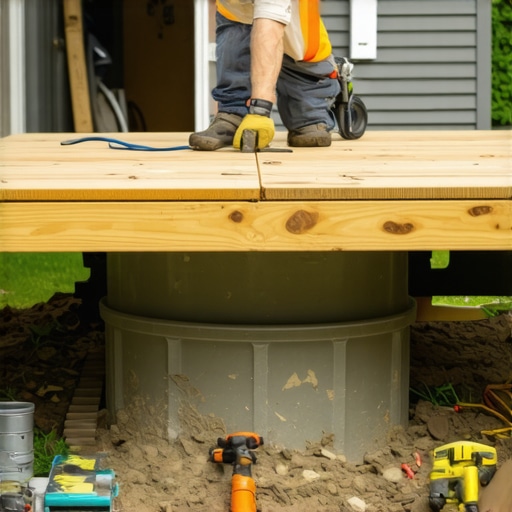
I remember the moment vividly. I was trying to fetch my garden tools and suddenly realized—my deck was in the way of something crucial. It hit me that with my septic tank beneath, I needed a way to access it without dismantling the entire outdoor setup. But I also didn’t want to compromise on the aesthetics or safety of my outdoor space. That lightbulb moment made me realize I wasn’t alone; many homeowners face the challenge of creating accessible yet stylish outdoor areas.
Why a Removable Deck Section Can Save Your Day—and Your Sanity
In my experience, building a removable deck section isn’t just a luxury—it’s a practical necessity, especially when heavy equipment or routine maintenance is involved. Septic tanks, utility connections, and underground pipes require periodic inspection, but traditional decks often make this an arduous task. Without a dedicated access point, you’re either forced into potentially damaging repairs or living with an eyesore.
What I learned early on is that a well-designed removable deck can offer quick access while maintaining a seamless look. This not only saves time and effort but also preserves the value and safety of your outdoor space. Plus, it minimizes the risk of accidental damage, which could lead to costly repairs down the line.
Interestingly, according to a study published in the Journal of Home Maintenance, improperly designed access points can lead to increased degradation and safety hazards over time. This awareness pushed me to plan carefully from the start, rather than rushing through the project.
Have you ever faced the frustration of trying to get under your deck or struggled with awkward access points? If so, you’re not alone. Many homeowners find themselves wishing for a simple solution that balances functionality with curb appeal.
In the next section, I’ll walk you through the key considerations and steps I took to design and build a removable deck section that works perfectly for septic access. Whether you’re planning your own project or just exploring options, these insights can help you avoid common pitfalls and achieve professional results.
Selecting the Right Location and Design
My first move was to identify the optimal spot for the removable section, which needed easy access without compromising the deck’s appearance. I mapped out existing septic access points and visualized how a section could be lifted without disturbing the surroundings. Using a level and measuring tape, I marked the dimensions, ensuring enough clearance for maintenance tools. Think of it like laying out a puzzle piece that fits seamlessly yet can be taken out effortlessly.
Choosing Durable Materials
For the deck surface, I opted for composite decking because of its low-maintenance and weather resistance. Specifically, I went with capped mineral-based composite boards, which resist mold, fading, and scratches—a real game-changer for outdoor durability. I also picked hidden fasteners to provide a clean, screw-free surface, enhancing safety and aesthetics. To see the latest trends, you can explore composite decking trends for 2025.
Constructing the Base Frame
I assembled a sturdy frame using galvanized steel joists, which outperform traditional wood in resisting corrosion over time. I measured the area carefully, considering the joist spacing—keeping joists no farther than 16 inches apart to prevent sagging, following the 2026 joist spacing rule. The steel brackets I used ensured the frame stayed rigid, even under foot traffic or weight during maintenance. It’s like building a strong foundation for a bridge—precision and quality matter to prevent wobbles or collapses.
Incorporating a Secure Hinge System
To make the deck section removable, I installed heavy-duty hinges designed for outdoor use, with rust-resistant coating. The hinges were anchored into additional framing beneath the surface, allowing the panel to hinge open smoothly. I added a simple latch mechanism on the side, so I could secure the panel when not in maintenance mode. Think of it like a giant door—robust yet easy to open without tools, so I could access the septic tank in seconds. For hinge options, consider stair tread depth and hinge alignment techniques.
Sealing and Finishing Touches
Once assembled, I sealed the edges with waterproof flashing tape to prevent water infiltration around the seams—a critical step to prolong the lifespan of the underlying structure. I also applied matching composite fascia around the opening to blend seamlessly with the rest of the deck surface. This approach ensures the removable section doesn’t stand out visually but is a natural part of the deck design. For more ideas on seamless transitions, see designing seamless stairs and transitions.
Testing and Final Adjustments
After installation, I repeatedly lifted and lowered the panel to ensure smooth operation. Initially, it felt a bit stiff, so I adjusted the hinges and realigned the latch. I also checked for any gaps or uneven surfaces and sanded down rough edges. It’s similar to tuning a kitchen cabinet—small tweaks make a big difference in usability. The result was a secure, functional access panel that looks integrated and performs reliably over time.
While assembling my custom removable deck access panel, I learned that many homeowners overlook subtle yet crucial details that make or break outdoor projects. One common misconception is that choosing any composite decking material suffices; in reality, not all composites perform equally over time or under UV exposure. According to industry experts, mineral-based composites, like those discussed in 2025 trends in composite decking, offer superior resistance to fading and scratching, which are often underestimated in initial selections.
Many deck builders emphasize aesthetics over structural nuances, but overlooking the importance of substructure design, such as joist spacing and material choice, can lead to sagging or wobbling in your outdoor space. For example, a misaligned joist system, even with premium boards, might cause uneven surfaces or creaking noises—elements that frustrate homeowners and compromise safety. As highlighted in joist spacing rules for 2026, precision in framing is paramount.
Furthermore, a prevalent myth is that the simplest stairs are always the safest and most attractive. Advanced stair design techniques reveal that proper riser height, treads, and riser-opening ratios directly influence both safety and visual harmony. Overlooking these details often results in stairs that look inconsistent or are uncomfortable to walk.
A common mistake is underestimating the impact of environmental factors, like moisture and temperature fluctuations, on outdoor materials. For instance, using plastic or unsealed fasteners can lead to corrosion, weakening structural connections over time. The heavy-duty stringer setup example illustrates how durable fasteners and proper sealing prevent long-term issues.
Ask yourself: Are you considering all these nuances when planning your outdoor space? Or are you settling for the quick fix? Remember, investing in high-quality materials, precise framing, and thoughtful design pays off in longevity and beauty.
Making these advanced considerations can be the difference between a deck that lasts for decades and a costly rebuild sooner than expected. As I discovered, the devil is in the details—so don’t rush your project. Want more expert tips to elevate your outdoor space? Check out transformative deck-building tips and ensure your project stands the test of time.
Have you ever fallen into this trap? Let me know in the comments.Maintaining a durable and attractive outdoor deck requires more than just initial construction; it demands the right tools and a solid maintenance routine. One tool I swear by is a high-quality cordless impact driver. I use mine regularly for tightening fasteners, especially when working with composite decking boards or steel framing. The variable torque settings help prevent over-tightening, which can crack or warp materials, ensuring longevity. Additionally, a digital moisture meter is invaluable for periodic inspections. It helps me identify潜在 issues like hidden rot or moisture buildup beneath the surface before they become costly problems, especially in humid climates. For cleaning, I rely on a deck-specific pressure washer with adjustable spray nozzles; gentle enough to avoid damage but effective for removing dirt and algae, which can accelerate material degradation. When it comes to long-term results, I recommend investing in quality sealants designed for composite and wood. Applying a penetrative sealant annually helps repel moisture and UV damage, extending the life of your investment. As the trend toward eco-friendly materials continues, I predict we’ll see more automatic watering and cleaning systems integrated with smart sensors, making deck maintenance even easier in the future. How do I maintain my outdoor structures over time? I set a seasonal schedule that includes inspecting fasteners, sealing surfaces, and cleaning to catch minor issues early, preventing them from worsening. For more innovative ideas on outdoor living, check out the latest trends in composite decking for 2025. To keep your deck working smoothly, try incorporating a pre-season inspection with your toolkit and setting reminders for re-sealing — small steps that pay big dividends in durability.
The Hardest Lesson I Learned About stairs,composite decking,deck builder,outdoor living
Early in my outdoor project journey, I discovered that overlooking the subtle details—like proper joist spacing or the right hinge selection—could lead to significant setbacks. For instance, I once underestimated the importance of steel brackets over traditional wood when building high-traffic decks, resulting in wobbling stairs that haunted me for years. This lightbulb moment taught me that investing time in the small things upfront pays lifelong dividends.
My Essential Toolkit for outdoor project excellence
Over the years, I’ve come to trust certain tools and resources that elevate my work. A digital moisture meter helps prevent unseen rot beneath the surface, while high-quality impact drivers make fastening composite boards effortless and precise. For learning new techniques, I rely on trusted books like “Decks and Stairs: Expert Insights” from industry veterans and online platforms offering current trends, such as 2025 composite decking trends. These resources keep me informed, inspired, and ready for any challenge that comes with outdoor living projects.
Your Next Step to Outdoor Brilliance
Remember, the secret to creating a durable, beautiful deck with accessible stairs lies in careful planning, quality materials, and continuous learning. Don’t settle for shortcuts when the longevity of your outdoor space is at stake. Whether you’re contemplating a new project or refining an existing one, embrace the details and invest in top-notch resources. Your perfectly designed deck with safe, stylish stairs awaits. Want to share your current project or ask for advice? Drop your thoughts below and let’s build something incredible together!