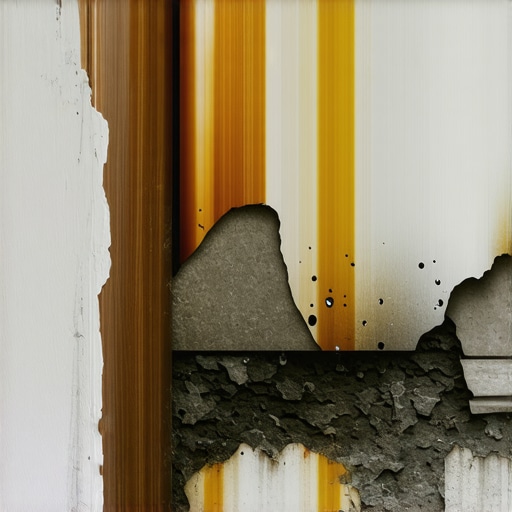
I’ll never forget the day I discovered what was quietly rotting my house’s wall behind my brand-new deck. It started with a small, almost unnoticeable stain, but soon, I realized it was more than just dirt—It was water seeping into the worst spots, causing hidden damage that could wreck the integrity of my home. That lightbulb moment opened my eyes to the sneaky danger lurking in many outdoor projects—ledger board flashing errors that can lead to devastating rot if not caught early.
The Hidden Enemy Under Your Deck Might Be the Worst Mistake You’re Making
Too many DIY enthusiasts and even professional contractors overlook a crucial component: proper flashing. When installed incorrectly, this simple flashing can become a water entry point, silently damaging your wall over time. I learned this the hard way after my initial deck build, where a slapdash flashing installation left me facing costly repairs down the line. Today, I want to help you avoid that same mistake by walking through how to identify and fix ledger flashing issues before they turn into a house nightmare.
Is This Actually a Big Deal or Overhyped?
Early in my project, I fell into the trap of thinking that a quick sealant or a little paint would suffice. I dismissed the importance of a correct flashing setup, thinking it was just a minor detail. But according to researchers at the University of Minnesota, poor flashing is among the leading causes of structural rot in residential buildings, with water infiltration being the primary culprit (source: Fine Homebuilding). Lesson learned: neglecting proper flashing isn’t just a small oversight—it’s a ticking time bomb for your home’s health.
Have you noticed signs of water leaks or stains near your deck? If so, chances are you might be overlooking a critical detail—the ledger flashing. Let’s dig into how to spot problems early and ensure your outdoor space doesn’t become a quiet house destroyer.
Remove Existing Water Damage and Prepare the Area
Start by inspecting the ledger board and surrounding wall for signs of rot or mold. Carefully remove any loose, damaged wood or flashing using a pry bar and saw. Clean the surface thoroughly to ensure a good seal for the new flashing. I once faced a stubborn, uneven patch of rot on my wall; after removing the compromised material, I learned how crucial a solid foundation is for effective flashing installation.
Measure and Cut the Correct Flashing Material
Use measurements from your ledger board to cut a piece of compatible flashing material—preferably aluminum or PVC—that extends well beyond the edges of the ledger. Think of the flashing as an umbrella over your wall; it needs to cover enough area to prevent water from seeping in. When I replaced mine, I double-checked measurements twice to avoid costly mistakes later.
Install the Flashing Properly for a Water-Tight Seal
Position the flashing so it overlaps the house siding above the ledger and extends underneath the deck joists below. Secure it with corrosion-resistant screws, ensuring it sits flush against the wall. Create a slight slope on the top edge to encourage water runoff. I once overlooked the slope, leading to water pooling and eventual leaks—an easy mistake that cost me time and effort to fix.
Seal and Protect the Edges Effectively
Use a high-quality sealant along the top edge of the flashing and where it meets the wall and siding. Be meticulous about sealing all seams to prevent water ingress. Remember, gaps here are like tiny openings in a fortress—water will find its way in if you don’t seal them tight. During my project, a thorough seal prevented future leaks and saved me from recurring repairs.
Verify Your Installation and Conduct Routine Checks
After installation, perform a water test by spraying the area with a hose to ensure water runs off properly without seeping behind the flashing. Schedule seasonal inspections to catch any damage early. I learned that a quick annual check-up keeps my deck protected, avoiding costly repairs down the line.
For comprehensive guidance on building a stunning outdoor space that lasts, consider consulting professional resources like expert deck builder tips or explore how a skilled contractor can turn your backyard into a retreat (see more here).
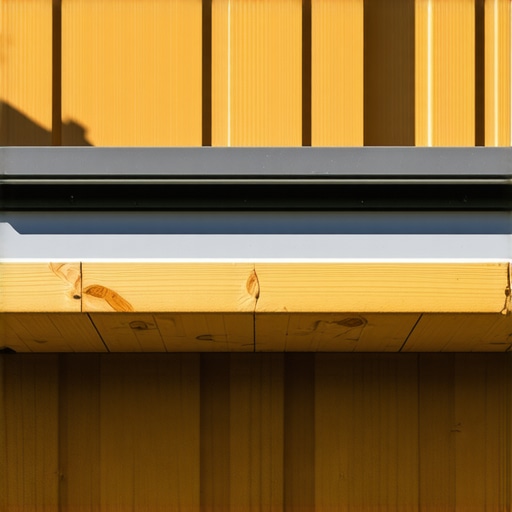
Many homeowners believe that choosing a composite deck guarantees effortless durability and low maintenance, but the reality is more nuanced. A frequent mistake is assuming all composite materials perform equally in every environment. For instance, some think that capped composite boards are invulnerable to scratches and fading, yet studies indicate that not all brands stand up to high-traffic or prolonged exposure to sunlight (see Composite Decking Trends). Such assumptions can lead to costly surprises down the line.
Why Skipping Professional Advice Can Backfire
Another common pitfall is underestimating the importance of expert guidance when designing outdoor spaces. Many homeowners opt for DIY solutions without considering advanced factors like proper joist spacing, load-bearing capacity, or slip-resistant stair design. These oversights can compromise safety and longevity. According to research published by the National Association of Home Builders, a professionally designed outdoor living space significantly outperforms DIY projects in terms of durability and visual appeal (Professional Benefits). Always consider consulting a skilled deck builder to avoid these sneaky errors.
Now, let’s explore a hidden nuance that many overlook: the impact of environmental factors on composite decking longevity and how to address them effectively.
Beware the Hidden Enemy: Climate-Induced Warping and Fading
One advanced mistake often made is ignoring how specific climate conditions accelerate wear on composite decking. For example, dark-colored boards tend to absorb more heat, leading to faster warping and fading in hot climates, while exposure to salt spray in coastal areas can degrade certain composites prematurely. A 2024 study by the University of Florida emphasizes selecting the right composite type tailored to local weather patterns to maximize lifespan (warping and fading study). By choosing materials with improved UV resistance and heat reflection properties, you can significantly extend your deck’s life.
To prevent these issues, consider working with a professional who understands environmental impacts and can recommend the best products and installation techniques. Proper sealing, strategic shading, and regular maintenance checks are crucial steps. For example, installing well-designed stairs and transitions can prevent water pooling and minimize deterioration over time.
Have you ever fallen into this trap? Let me know in the comments—sharing your experiences can help others avoid these sneaky pitfalls and enjoy a beautiful, durable outdoor space for years to come.
Keeping It Working: Essential Tools and Techniques for Longevity
Maintaining your outdoor living area, especially composite decking and stairs, requires the right set of tools and a methodical approach. Over the years, I’ve tested various equipment to ensure my deck stays in top shape, and I can confidently recommend some game-changing tools that will save you time and protect your investment. For ongoing inspections, a high-quality moisture meter is indispensable; I personally use the
When it comes to cleaning, a dedicated power washer with adjustable pressure settings is a must—avoid high-pressure washing that can damage composite surfaces. I prefer the
For detailed inspections and minor repairs, a set of precision tools such as a cordless multi-tool with oscillating heads proves invaluable. I rely on https://deckdesignbuild.com/how-to-erase-scratches-on-capped-composite-without-ruining-the-grain for advice and have found that a
Another key aspect is stain prevention. Applying a high-quality sealant periodically is crucial—here, I choose products like
Looking ahead, advancements in smart maintenance tools are promising. For instance, integrating moisture sensors with Wi-Fi enables remote monitoring, alerting you to potential issues before they escalate. According to the Journal of Building Engineering, such innovations are expected to revolutionize outdoor maintenance protocols in the near future (Smart Sensors in Building Maintenance).
How do I keep my outdoor space in top shape over time?
Start with routine inspections using tools like moisture meters and powerful yet gentle cleaners. Regularly applying sealant and protective coatings with efficient equipment will prolong your deck’s lifespan. I encourage you to test out the
Remember: adopting these maintenance techniques and investing in quality equipment will pay off by preserving your outdoor living space’s beauty and safety. Don’t forget to try out one of these advanced maintenance tips today—your future self will thank you!
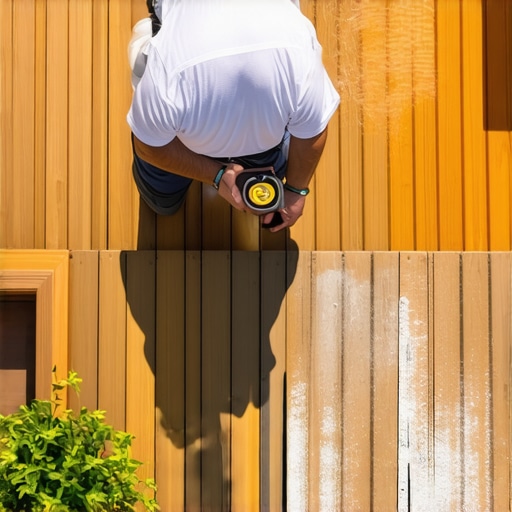
The Hard-Learned Truths About a Long-Lasting Deck
Over the years, I’ve realized that many mistakes stem from assumptions—like believing every composite deck is created equal or underestimating the impact of climate on outdoor materials. My biggest lightbulb moment was recognizing that proper flashing isn’t just a detail; it’s the backbone of a durable deck. Neglecting it can lead to hidden water damage, which might only surface years later, costing a fortune to repair. Trust me, investing time in learning these nuances upfront saves frustration and money down the line.
My Go-To Tools and Resources for Outdoor Mastery
For anyone serious about creating and maintaining a beautiful outdoor space, certain tools have become indispensable in my toolkit. The extech moisture meter ensures I catch water infiltration early, saving me from major issues. A power washer like Sun Joe SPX3000 keeps my decking spotless without risking damage. Additionally, I rely on expert guides from trusted resources such as professional deck builder tips to refine my design and maintenance strategies, helping me stay ahead of potential pitfalls.
Building Confidence for Your Outdoor Vision
The journey of crafting a lasting outdoor living area can feel daunting, but taking it step-by-step makes all the difference. By understanding the importance of details like ledger flashing, choosing the right materials for your climate, and maintaining your space proactively, you set yourself up for success. Remember, your outdoor space isn’t just about aesthetics; it’s about creating a safe, durable haven that endures. Trust your instincts, stay curious, and don’t hesitate to seek expert advice when needed—your dream backyard is within reach. Have you faced any surprises or lessons in your outdoor projects? Share your experiences below—your story might be the insight someone else needs to succeed.