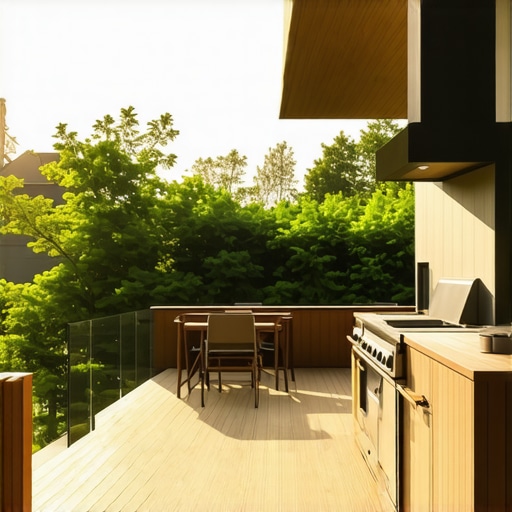
I remember the moment clearly—I was about to install my dream outdoor kitchen when I looked at my deck and felt that gnawing sense of doubt. It was that quiet realization: what if I overloaded the deck? That realization hit hard because I had fallen for the common mistake early on: underestimating the weight of a full outdoor kitchen and its appliances, which can quickly become a structural nightmare if you’re not careful. If you’ve ever felt the same, you’re not alone. Many homeowners, eager to elevate their outdoor living space, dive in without fully understanding the load limits of their decks. The good news? There is a way to enjoy a beautiful, functional outdoor kitchen without risking structural damage. Today, I promise we’ll tackle this head-on, sharing practical strategies from my own experience so you can build confidently.
Ensuring Your Deck Can Handle the Heat and the Heavy Loads
Installing an outdoor kitchen is a fantastic way to expand your living space and bring family and friends together. However, this exciting upgrade comes with a major caveat: your deck must be capable of supporting the additional weight. Ignoring this can lead to sagging, cracking, or even catastrophic failure. It’s like adding a ton of weight right onto a fragile structure—think of it as trying to balance a heavy box on a thin sheet of paper. The key is proper planning, which begins with understanding your deck’s load capacity.
Many homeowners make the mistake of assuming their existing deck can support anything, especially if it’s a newer or well-maintained one. But decks are designed with specific load limits—usually specified as pounds per square foot. For example, most residential decks are engineered to support about 40 to 60 pounds per square foot, but an outdoor kitchen with stone countertops, built-in appliances, and heavy furniture can easily surpass that. Overloading not only risks damage but also safety.
In my case, I initially thought I could just add a few appliances and some countertops, but after consulting with a professional deck builder, I learned that my existing structure needed reinforcement. This advice proved invaluable; it prevented potential disaster and saved me money in the long run. For a detailed guide on assessing your deck’s capacity and planning reinforcement, I recommend visiting [Transform Your Space: Expert Deck Builder Tips for Stunning Outdoor Living](https://deckdesignbuild.com/transform-your-space-expert-deck-builder-tips-for-stunning-outdoor-living).
Before jumping into appliances and seating, take a moment to check your deck’s specs. If you’re unsure, a professional assessment is well worth the investment. Remember, good planning today averts costly repairs tomorrow—better safe than sorry.
Thinking of integrating a sizeable outdoor kitchen? Have you already assessed your deck’s load limits? If not, you’re stepping into potentially risky territory. But don’t worry—there are proven methods to modify your deck’s structure to support your dream setup safely.
Next, we’ll explore the step-by-step process to reinforce your deck and ensure it can stand up to the weight of your outdoor culinary haven without overloading. Stay tuned!
Assess and Reinforce Your Deck Posts and Framing
To start, examine your existing support posts and framing members like a builder inspecting a skeleton. If they wobble or seem weak, it’s time to beef them up. Use steel post caps or replace wooden posts with steel columns to prevent rot and increase load capacity. When I did this, I replaced the sagging post with a steel support and added a diagonal brace, which transformed a shaky corner into rock-solid support—making me confident to move forward. Remember, stronger supports distribute weight evenly and prevent localized stress. For a detailed reinforcement plan, consider consulting a professional deck builder.
Upgrade Joists and Beams for Long-Term Support
Beams and joists act like the backbone of your deck. Verify their size and spacing—aim for 2×10 or 2×12 inch joists spaced no more than 16 inches apart for heavy loads. If your joists are undersized or spaced wider than recommended, add sister joists alongside existing ones for extra support or replace them with larger lumber. I once doubled up a section of joists on my deck to support a built-in pizza oven and grill station; the result was a sturdy surface that handled the weight without a hitch. Use corrosion-resistant fasteners and appropriate hangers for longevity. For inspiration, check out joist reinforcement tips.
Reinforce the Foundation with Deep Footings
Footings transfer your deck’s weight to the ground. If your current footings are shallow or unstable, consider digging deeper and pouring concrete footings below frost lines, especially in colder climates. Think of this as planting a sturdy anchor in the ground—without it, your deck is vulnerable to shifting. During my project, I excavated around the existing footings, added gravel for drainage, and poured new concrete bases. Once cured, I installed their support posts on these deeper foundations. This not only increased support but also provided peace of mind for heavy cooking equipment. For guidance, see deep footing installation strategies.
Add Cross Bracing and Metal Connectors for Stability
To prevent racking and lateral movement, install metal connectors and cross bracing. Attach steel angle brackets at connection points between posts and beams, and add diagonal braces where needed. I used metal straps and braces on my deck’s perimeter, which prevented wobbling when moving around with heavy tools. This approach acts like the joints in a well-built skeleton, ensuring everything stays aligned under load. Always use corrosion-resistant hardware suitable for outdoor exposure. For detailed techniques, refer to bracing and connector methods.
Coordinate with a Structural Engineer for Final Check
Before proceeding to install your outdoor kitchen, have a licensed structural engineer review your reinforcement work. They will verify that your modifications meet safety standards and advise on any additional enhancements. It’s an extra step that pays off—think of it as an insurance policy for peace of mind. I personally consulted an engineer after my reinforcements and received a stamped plan, which gave me confidence during inspections and future use. Investing in professional assessment ensures your deck can support both the weight and the dynamic loads of everyday outdoor living.Many homeowners assume all composite decking and outdoor upgrades are straightforward, but in reality, there are subtle complexities that can catch you off guard. Contrary to popular belief, not all composite materials perform equally—many overlook the significance of cell structure and reinforcement techniques that determine durability and weather resistance. For instance, some believe that choosing a darker-colored composite automatically means increased warping, but studies indicate that pigment concentration and core composition play a crucial role in thermal expansion. *Make sure to review the latest [composite decking trends](https://deckdesignbuild.com/composite-decking-trends-2025-the-ultimate-guide-for-outdoor-enthusiasts) to understand these nuances.* An advanced mistake many miss is ignoring proper installation techniques that account for thermal movement, leading to unsightly warping or buckling over time. As I learned through my own projects, neglecting the use of hidden fasteners and proper spacing can accelerate deterioration. Additionally, a common myth is that more elaborate stairs aren’t necessary if your deck is level; however, improperly designed stairs can cause safety hazards and fail inspections—visit [designing safe stairs](https://deckdesignbuild.com/designing-safe-and-stylish-stairs-for-outdoor-decks-in-2025) for expert insights.
What about the implications of climate-specific design choices?
In colder regions, the misconception that standard fasteners suffice neglects the importance of corrosion-resistant hardware and thermal expansion allowances. External experts emphasize that choosing the right materials and construction methods can extend your deck’s lifespan significantly. For example, using steel brackets instead of traditional wood joins can prevent joint failure, especially when exposed to fluctuating temperatures. *Curious how to adapt your outdoor living space to local climate challenges?* Reviewing the comprehensive resources I found helpful can be a game-changer. **Don’t forget to assess your deck’s support structure for long-term resilience.**
To sum up, the intricacies of composite materials, stair design, and climate adaptation are often underestimated. Recognizing these hidden details ensures your investment not only looks great but also stands the test of time. Have you ever fallen into this trap? Let me know in the comments.Maintaining your composite deck and outdoor stairs isn’t just about quick fixes; it requires the right tools and disciplined routines to ensure long-term durability. One of my favorite investments has been a high-quality power washer, like the **Sun Joe SPX3000**, which allows me to clean decks thoroughly without risking damage from abrasive scrubbing. Regular cleaning removes dirt and organic growth, preventing surface deterioration and mold build-up. Pair this with a soft-bristle brush attachment and eco-friendly cleaner for best results. For sealing and protecting your deck, I recommend using a UV-resistant, breathable sealant such as the **DEFY Extreme Transparent Sealer**. Applying this annually helps prevent UV damage, warping, and fading—key issues that many homeowners overlook. My personal schedule includes a deep clean and re-seal every spring, which keeps my outdoor space vibrant and resilient.
For ongoing inspections, a durable flashlight and a moisture meter are invaluable. The flashlight helps spot early signs of damage or mold, especially in shaded areas, while the moisture meter assists in assessing the interior condition of wooden supports or framing. This proactive approach ensures issues are addressed before escalating, saving money and avoiding safety hazards.
On the digital side, I depend on project management apps like **Trello** to track maintenance tasks and schedules. Setting reminders for filter replacements, fastener checks, and structural inspections ensures I stay consistent, especially during busy seasons. Additionally, using **Decks.com**’s comprehensive guides, like their advice on protecting joists from moisture, keeps me informed on best practices.
Looking ahead, the future of deck maintenance points toward smart monitoring systems. Incorporating IoT sensors that report on moisture levels or structural shifts is becoming more affordable and practical. Imagine receiving an alert on your phone when a joist begins to weaken—saving you from costly repairs.
### How do I keep my outdoor living space working smoothly over time?
Beyond cleaning and inspection, reinforcing your structure with modern tools can dramatically improve longevity. For instance, cutting-edge fasteners like **hidden stainless steel clips** not only create a sleek appearance but also prevent corrosion, which can lead to deck failure. Personally, I upgrade fasteners with **corrosion-resistant hardware** from trusted suppliers, ensuring my deck withstands weather cycles.
On the topic of long-term results, investing in modular deck components allows for easier upgrades and repairs. Modular stair systems and replaceable planks mean I can swap out damaged pieces without tearing down entire sections—saving money and time. This flexibility aligns with trends toward sustainable and adaptable outdoor design.
Finally, partnering with a professional deck builder for routine inspections and updates can uncover subtle issues early. They have the expertise and tools—like infra-red thermography—to identify hidden moisture problems or framing weaknesses, which aren’t visible to the naked eye. I highly recommend reaching out to experienced builders listed on [Transform Your Space: Expert Deck Builder Tips for Stunning Outdoor Living](https://deckdesignbuild.com/transform-your-space-expert-deck-builder-tips-for-stunning-outdoor-living). Regular maintenance, guided by expert advice and the right tools, will ensure your outdoor living area remains a safe, beautiful retreat for years to come. Give these advanced tips a try, especially the use of stainless steel fasteners—it’s a game changer for durability.
Lessons That Changed My Approach to Outdoor Living
- Not all deck materials respond the same way to climate: I learned this the hard way when darker composite boards warped under the summer sun. Now, I always choose materials with proven weather-resistant properties, understanding that what works in one region might fail in another.
- Structural reinforcement pays off in the long run: My first attempt at a quick fix ended with creaking stairs. Investing in proper reinforcement from the start, such as steel brackets and deepened footings, saved me frustration and repair costs later.
- Professional guidance is invaluable: Consulting a structural engineer or expert deck builder provided insights I couldn’t find in generic DIY guides. Their expertise ensured my outdoor kitchen was safe and durable, especially when adding heavy appliances.
- Maintenance routines make a difference: Regular inspections, cleaning with the right tools, and re-sealing extend the life of your deck. I now schedule seasonal check-ups, which detect issues before they become costly problems.
Tools and Resources That Really Made a Difference
- Expert deck builder tips: This resource provided me with detailed reinforcement techniques and innovative ideas to elevate my outdoor space thoughtfully.
- Joist reinforcement strategies: Learning about proper joist spacing and sistering helped me prevent sagging and ensured my deck could support the weight of my outdoor kitchen safely.
- Transition design tips: This guide inspired me to create smooth, safe stairs that complement my deck’s aesthetics and functionality.
- Latest composite decking trends: Staying updated with the newest materials and installation methods has helped me choose sustainable, low-maintenance options that stand the test of time.
Seize the Opportunity to Transform Outdoor Spaces
Building a deck that endures is a journey filled with insights and hand-on experience. Don’t shy away from seeking expert advice and investing in quality reinforcement—it makes all the difference. Take action today, and turn your outdoor area into a safe, stunning retreat that you and your family will cherish for years to come. Are you ready to elevate your outdoor living space with confidence? Share your plans or questions below, and let’s make your vision a reality together!
,
Comments are closed.