
I’ll never forget the moment I realized my outdoor stairs were more than just a functional detail—they were a constant source of frustration. Every time I went up or down, I felt that uneasy, wobbly bounce underfoot, and I dreaded the next trip because it seemed like I was risking a fall with every step. It was a lightbulb moment that prompted me to look for solutions to make my stairs safer, more comfortable, and more enjoyable to use.
That’s when I stumbled upon the 7-inch riser secret. At first, I thought it was just another design trend, but as I dug deeper, I discovered how a simple adjustment in riser height could dramatically change the way stairs feel—less steep, more natural, and surprisingly secure. In fact, installing stairs with just that extra inch can transform an arduous climb into a smooth, effortless step, especially in outdoor spaces where uneven ground complicates things. According to a study by the Federal Highway Administration, changing tread and riser dimensions can significantly impact stair safety and comfort, emphasizing that a small tweak can make a big difference.
Why Most Outdoor Stairs Feel Too Steep and How to Fix It
Your stairs are part of your outdoor oasis. Whether you’re enhancing your backyard or creating a seamless transition from patio to garden, the last thing you want is for stairs to feel like a vertical climb. Many outdoor stairs suffer from steepness because of traditional riser measurements, typically around 7 inches, which can make ascent and descent feel awkward—especially on older or uneven terrain. This often results in shaky steps and even potential accidents.
By understanding and applying the 7-inch riser secret, you can turn a challenging staircase into a smooth pathway. This involves either adjusting the riser height or designing your stairs with that ideal measurement in mind during construction. It’s not just about aesthetics; it’s about practical safety and comfort, allowing everyone from kids to seniors to navigate your outdoor space confidently.
If you’ve been frustrated with stairs that always seem too steep or unsafe, you’re not alone. I used to face this exact issue until I learned the importance of proper riser heights, which you can explore further for inspiring ideas at maximizing outdoor space. Still wondering if this secret will work for your stairs? Let’s cover some of the common concerns and how to overcome them.
Is the 7-Inch Riser Secret Actually Worth the Hype?
Early in my project, I made a classic mistake—I assumed that sticking to conventional riser heights was the standard. It wasn’t until I experimented with this little-known secret that I realized how much more comfortable and safer my stairs became. Some skeptics wonder if changing riser measurements is worth the effort, or if it compromises the look. Believe me, with the right planning and design, it’s a game-changer. Want to see how you can integrate this into your next outdoor project? Check out innovative outdoor ideas for inspiration.
Now that we’ve laid the groundwork, let’s explore how to implement this simple trick and elevate your outdoor space into a safer, more inviting haven.
Measure and Plan Riser Heights Accurately
Start by assessing your existing stairs or designing new ones, ensuring each riser is close to the ideal 7 inches. Use a reliable tape measure and a framing square for precision. I recently faced a cluttered outdoor space; after measuring carefully and marking the riser lines on the stringers, I realized that small deviations could cause uneven steps. To prevent this, I held a level along each riser line before cutting, which saved me from future adjustments. Precise measurement prevents steepness and wobbliness, making your stairs safer and more comfortable.
Adjust Stringers for Consistent Riser Heights
Cut and Fit Stringers
Use a circular saw to cut your stringers according to your measured riser and tread dimensions. When I built my stairs, I marked each cut line on the stringer carefully, then double-checked with a level. Remember, uneven cuts create uneven risers, which feel unstable. Using a template or jig can help standardize cuts, especially for repeated steps. This consistency is crucial for a safe ascent and descent, especially on outdoor terrain with uneven ground.
Scribe for Uneven Ground
If your land isn’t level, scribing allows you to fit stringers tightly to the ground, maintaining the 7-inch riser in the air. I held a flexible batten along the ground’s contour and traced the contact points, then adjusted my cut lines accordingly. This process ensures the stairs are solid and stable despite uneven terrain, avoiding wobbling or shifting over time. Incorporate this step early in your design, especially in rustic or hillside landscapes.
Secure and Reinforce for Long-Term Performance
Using steel brackets and high-quality fasteners will lock your risers and stringers in place. I learned this the hard way when wood screws loosened after a season of weather exposure; switching to galvanized steel brackets made a noticeable difference. Additionally, applying construction adhesive between the stringer and footing or ground adds stability. For high-traffic or outdoor applications, consider hidden fastener systems that prevent tripping and provide a clean look, aligning with modern deck design principles. For innovative ideas on seamless transitions, visit creating seamless transitions.
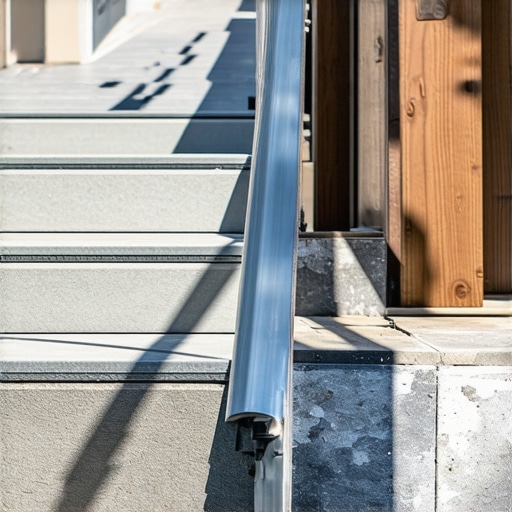
Choosing durable materials is essential. Composite decking options, such as those outlined in composite decking trends, resist weather and require less maintenance compared to wood, ensuring your stairs stay safe and attractive for years. I replaced my old wooden risers with composite boards after experiencing constant warping—now, the stairs have a sleek, low-maintenance finish that withstands the elements.
Finish with Safety and Aesthetics in Mind
Adding non-slip treads or textured finishes enhances traction, especially when the surface is wet or icy. I installed grip tape on each step, which provided immediate safety improvements. Color matching or contrasting riser and tread materials can also improve visibility, making each step clearer at night or in low light. For a cohesive outdoor look, explore design styles that complement your deck and landscape, as discussed in top stair designs.
While many DIY enthusiasts believe that choosing the right materials and following standard building codes guarantees success, the truth is that there are subtle nuances often overlooked that can make or break your outdoor project. One common misconception is that premium materials like composite decking automatically mean maintenance-free longevity. However, in my experience, specific installation techniques, like proper gap spacing and sealing, are critical to prevent issues like warping or mold growth, which studies from experts in outdoor material science highlight as common pitfalls (source: composite deck longevity insights). Another myth is that deck design is solely about aesthetics; in reality, understanding the advanced load calculations and using steel brackets for stairs significantly improves safety, especially in high-traffic areas. Don’t fall for the trap of thinking that a quick fix or generic blueprint works for every space—each outdoor environment has unique variables that demand customized solutions, like precise scribing for uneven terrain, which I detail in scribing techniques. For those seeking truly durable, stylish, and safe outdoor living spaces, recognizing these nuanced details saves you time and money. Have you ever fallen into this trap? Let me know in the comments. For more insights on elevating your outdoor spaces, check out creating seamless transitions.
Keeping It Working: Tools I Recommend for Outdoor Living Projects
Investing in the right tools is crucial to ensuring your outdoor deck and stairs remain safe, durable, and attractive over the years. Personally, I’ve found that a high-quality cordless circular saw with adjustable depth settings makes precise cuts on composite materials without sacrificing portability. For measuring and layout, a digital laser distance meter provides quick, accurate readings, especially helpful when designing stairs to exact riser heights like the 7-inch secret. Additionally, a branded multi-tool with oscillating blades allows me to cut intricate scribing lines for uneven ground, maintaining consistent riser heights in rustic or hillside setups.
When it comes to maintenance, a power washer with adjustable pressure settings helps keep composite decking surfaces clean without damaging the finish. I prefer models with built-in detergent tanks, so I can apply eco-friendly cleaning solutions directly during washing—basics that prevent mold and staining, especially for shaded or humid environments. To protect against weathering, applying a high-quality silicone-based sealant annually acts as a barrier, though I recommend choosing one compatible with composite materials to avoid discoloration or surface degradation. Remember, an investment now in proper sealing and cleaning tools extends your deck’s lifespan significantly.
Using dedicated fasteners designed for composites and durable brackets for stairs is another underrated practice. I opt for galvanized-steel brackets which resist rust and provide long-term stability, especially in areas with high humidity. A cordless impact driver simplifies tightening these fasteners securely—critical to prevent wobbling or loosening over time. For ongoing inspections, I keep a small set of quick-check tools, like a digital level, to verify the straightness of stringers before and after seasons. These small, focused tools make routine maintenance manageable and effective.
Forecasting Deck Maintenance Trends
Looking ahead, I see maintenance tools becoming smarter with integration of IoT sensors that monitor structural health and environmental conditions. Imagine being alerted through your smartphone if your deck’s integrity is compromised due to shifting ground or material fatigue; this could revolutionize outdoor living management. Additionally, advances in composite technology, like mineral-core boards, are reducing the need for frequent sealing, with some experts predicting a shift towards near maintenance-free decks in the next decade, aligning with trends discussed in composite decking trends.
How can I best maintain my outdoor stairs and deck to ensure longevity?
Regular inspections are your first line of defense. Check fasteners, brackets, and posts annually using a digital level and moisture meter to detect potential issues early. Clean surfaces with a power washer set on low pressure, avoiding damage to composite finishes. Applying a suitable sealant annually, especially before harsh winters, helps prevent moisture ingress and surface cracking. Also, consider upgrading to hardware like hidden fasteners and steel brackets that resist rusting—these innovations can drastically improve long-term performance and safety, as I’ve experienced firsthand. To learn more about safe and effective stair design, visit designing safe outdoor stairs.
Try incorporating a digital inspection tool or upgrade your fasteners to galvanized steel, as these small investments pay off through reduced repair costs and extended lifespan. By staying proactive with maintenance, you safeguard your outdoor oasis for years to come.
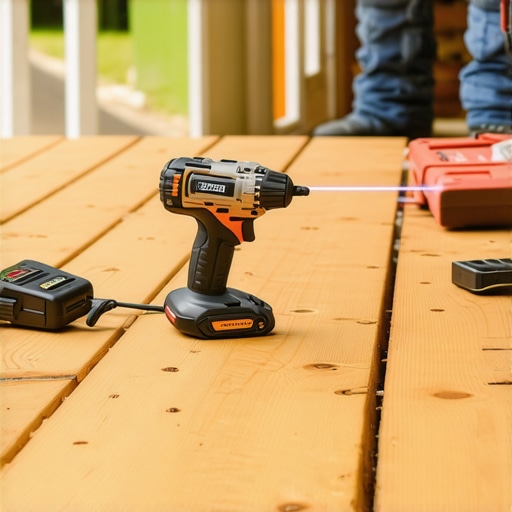
High-quality impact driver and laser distance meter ready for deck measurement and assembly.
Reflecting on my outdoor renovation journey, I realized that the true transformation of my space came from those small, overlooked details—like my stairs. A shift in riser height, combined with tactical craftsmanship, turned a shaky, unsafe staircase into a stunning focal point that invites everyone to enjoy the outdoors with confidence.
Embracing the 7-inch riser secret taught me that innovation often lies in simplicity. It’s about challenging conventions and trusting your measurements, leading to a staircase that feels natural, balanced, and enduring against outdoor elements. The months following my adjustment showcased how little tweaks can yield big safety and aesthetic benefits, inspiring me to revisit and refine every aspect of my project.
Lessons That Elevated My Outdoor Stairs Beyond Expectations
- Overcoming Blind Spots in Design: I used to think standard measurements were enough, but real comfort and safety came when I personalized the riser heights, especially on uneven terrain. It was a revelation that small deviations could cause wobbling or tripping, emphasizing the importance of precise scribing and planning.
- Ignoring Terrain Is Costly: I learned that ignoring ground contours leads to unstable stairs. Scribing the stringers meticulously made my stairs resilient, preventing future shifting and wobbling, which saved me headaches and repairs down the line.
- Material Matters More Than I Expected: Selecting durable, weather-resistant materials like high-grade composite boards not only improved aesthetics but also reduced maintenance, turning my outdoor stairs into a lasting feature that withstands the elements.
- The Value of Professional Techniques: Incorporating steel brackets and hidden fasteners was a game changer for stability. It was a reminder that embracing advanced hardware and installation methods elevates safety and appearance beyond DIY shortcuts.
Tools That Transformed My Approach to Outdoor Construction
- Laser Distance Meter: Precise measurements are crucial, especially when targeting that perfect 7-inch riser height. I trust my laser tool for its accuracy in creating a uniform look across multiple steps.
- Impact Driver with Heavy-Duty Bits: Securing brackets and fasteners efficiently ensures long-term stability, and my impact driver is indispensable in this task.
- Quality Power Washer: Keeping composite surfaces clean without damage prolongs the lifespan and appearance of my outdoor stairs. It’s an essential maintenance tool for weather-beaten environments.
- Scribing Templates and Jigs: These make fitting stringers to uneven ground seamless, saving me time and preventing future unevenness or wobble.
Dream Big, Build Smarter, and Keep Evolving
Your outdoor stairs are more than a pathway—they’re an expression of your personal style and commitment to safety. Embrace the techniques and tools that turn rough layouts into polished, durable features. The journey to remarkable outdoor spaces requires patience, innovation, and a willingness to learn from each project—just as I have.
Don’t let uncertainty hold you back from creating a safe, stunning staircase that complements your outdoor living experience. Now might be the perfect moment to plan your next upgrade or start a new project, confident in the knowledge that attention to detail transforms the ordinary into extraordinary.
Have you ever encountered a tricky terrain or measurement mishap that challenged your outdoor building skills? Share your story below—I’d love to hear how you overcame it!
Comments are closed.