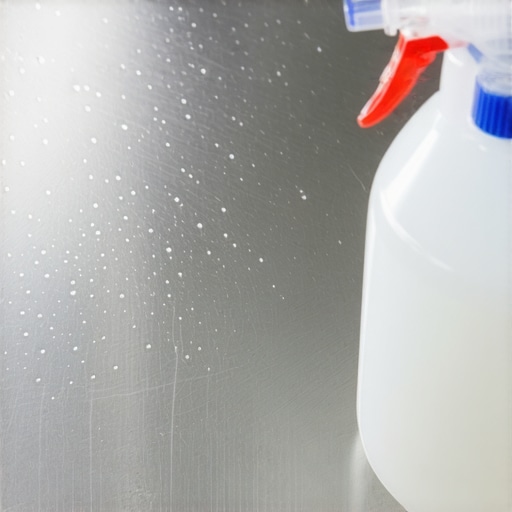
I remember the moment vividly— stepping onto my pristine composite deck after a heavy rain, only to find irksome white water spots marring the surface. It was like the deck had developed a stubborn rash, and I felt my frustration bubbling up. For weeks, I tried scrubbing and chemical cleaners, but those unsightly marks refused to budge. That lightbulb moment came when I remembered my grandmother’s simple tip involving good old white vinegar. Who would’ve thought such a humble kitchen staple could save my outdoor haven?
Why Hard Water Spots on Your Deck Are More Than Just an Eyesore
Hard water stains are an all-too-common nuisance for outdoor enthusiasts. These pesky white spots result from mineral deposits— mainly calcium and magnesium— left behind when water with high mineral content evaporates. Over time, these deposits can become quite stubborn, especially on composite materials that aren’t porous like traditional wood, making them tough to remove without risking damage.
What makes this problem even more frustrating is the misconception that chemical cleaners are the only solution. Many of us have experienced the disappointment of harsh products causing discoloration or damaging the surface of our decks. Early on, I made the mistake of just power-washing the spots, thinking brute force could do the trick. It wasn’t until I researched alternative methods that I learned about the White Vinegar Trick— a natural, affordable, and effective approach.
This simple solution not only saved me money but also preserved the integrity of my deck. Did you catch how I nearly overlooked this age-old trick and almost resorted to damaging methods? That’s a common mistake many make when faced with stubborn stains. Trust me, knowing which mistakes to avoid is half the battle.
So, embrace the mindset that effective cleaning doesn’t always mean aggressive chemicals. Instead, it’s about using smart, gentle solutions that respect your deck’s material and environment. Ready to discover exactly how this trick works and transform your deck’s appearance? Let’s dive into the step-by-step method that turned my deck from stained to stunning.
Apply White Vinegar Solution
Start by preparing a solution of equal parts white vinegar and water. I remember this step vividly—the first time I used this spray on my deck, it looked like I was spritzing a salad! Spray generously over the water spots, focusing on heavily affected areas. Let it sit for 10-15 minutes to allow minerals to loosen. Use a soft-bristle brush or a non-abrasive scrub pad to gently agitate the spots, similar to massaging tiny dirt capsules from the surface. Rinse thoroughly with a garden hose. This method is effective because vinegar’s acidity dissolves calcium and magnesium deposits, making removal easier without damaging the composite material. Avoid using harsh chemicals; instead, patience and gentle scrubbing break down stubborn stains while preserving your deck’s integrity.
Use Baking Soda Paste for Persistent Spots
If spots persist, create a paste with baking soda and water—about three parts baking soda to one part water. Apply the paste directly on remaining stains. I recall the mess I made the first time: a gooey, bubbling paste that took some elbow grease to spread evenly. Let it sit for 15-20 minutes to let the paste’s mild abrasiveness work on the deposits. Gently scrub with a soft cloth or sponge, being careful not to scratch the surface. Rinse thoroughly with water. Baking soda acts as a gentle abrasive and neutralizes vinegar residue, making it an ideal step for stubborn spots that resist initial cleaning. This approach is safe for composite decks and effective in breaking down mineral build-up without risking surface damage.
Prevent Future Water Spots with Sealant
Once the water spots are gone, consider applying a protective sealant designed for composite decking. Think of this as putting a water-repellent coat on your outdoor furniture—just as it keeps rain from pooling on a chair, it helps your deck resist mineral deposits. Clean the surface thoroughly before application, following the product instructions carefully. I learned this lesson after battling the spots repeatedly; sealing my deck created a barrier that slowed mineral deposit buildup, reducing maintenance. Regular reapplication, typically every 1-2 years, keeps your deck looking pristine and minimizes future spotting. Sealants also add an extra layer of protection against UV rays, extending the deck’s lifespan and enhancing its appearance.
Consult a Professional When in Doubt
If stubborn spots still linger after trying these steps, or you’re unsure about chemical use, contacting a professional deck specialist can save you time and prevent surface damage. A skilled deck builder has access to specialized cleaning agents and tools, akin to a doctor with a stethoscope—knowing precisely what your deck needs. They can perform deep cleaning and refinishing that restores your surface thoroughly. Plus, professionals can offer tailored advice for maintaining composite materials, ensuring your deck remains durable and beautiful for years. Reach out via this contact page to get expert assistance when needed.
Best Practices to Keep Your Deck Spotless
To prevent water spots from recurring, always dry your deck after heavy rain, especially in areas with hard water. Consider installing gutter guards or applying a water-repellent finish that repels mineral deposits, much like a raincoat keeps you dry. Regularly inspect the surface and sweep away debris that can trap water or minerals. Implementing these simple habits will preserve your deck’s beauty long-term, allowing you to enjoy outdoor living without the annoyance of white spots.
When it comes to outdoor living spaces, many homeowners and even some builders focus heavily on aesthetics and initial costs, overlooking nuanced but critical aspects that impact longevity and safety. A common misconception is that choosing the most visually appealing design or the cheapest materials guarantees a durable, low-maintenance deck. However, seasoned professionals understand that understanding the hidden nuances— such as proper stair framing techniques or the latest composite trends— can make or break your project. For example, many assume that all composite decking is equally resistant to warping or staining. But enlightened builders know to look beyond surface claims and examine specifics like core composition and manufacturing standards, as outlined in recent industry publications.
What Advanced Mistakes Do Most Overlook in Outdoor Living Designs?
One widespread mistake is neglecting the importance of proper joist spacing and support systems tailored to the chosen composite materials. Incorrect spacing can lead to premature sagging or warping, especially in high-traffic areas or in climates with extreme temperature fluctuations. Industry studies, including those compiled by the experts in composite decking innovations, highlight that a strategic support system enhances material performance and safety.
Another overlooked nuance involves the transition points between the stairs and the deck surface. Many assume that standard stringer supports suffice, but in reality, advanced builders use steel brackets and hidden fasteners to eliminate common issues like stair wobble or squeaks— problems that might not be immediately visible but compromise safety over time. Check out this article on stair reinforcement for in-depth strategies.
Misconceptions also persist concerning the environmental impact of materials. While some believe that recycled plastic composites are automatically more eco-friendly than wood fibers, professional insights reveal that the manufacturing process, longevity, and recyclability of the final product are crucial factors that influence sustainability. A detailed examination of these nuances is available in industry reports and guides that I’ve referenced throughout my projects.
In the end, these hidden details, often dismissed by novices as trivial, contribute significantly to the success and durability of your outdoor setup. Ignoring them can lead to costly repairs or dangerous failures down the road. So, next time you’re planning an upgrade, ask yourself—do I truly understand the advanced intricacies behind the materials and design choices? Have you ever fallen into this trap? Let me know in the comments.Maintaining a deck, especially one constructed with composite materials, requires precision, the right tools, and consistent routines. Over the years, I’ve refined my toolkit to focus on efficiency and longevity. One indispensable item is a high-quality digital moisture meter, which helps me assess wood and composite surfaces before any cleaning or sealing. This step prevents over-wetting or inadequate drying, ensuring that subsequent maintenance steps are effective.
When it comes to cleaning, I rely heavily on a pressure washer with adjustable settings. But I never use it at full blast; instead, I set it to a gentle spray to avoid damaging the composite surface. A ram-proof brush with soft bristles helps me reach into tight corners and detail areas without abrasion. For applying solutions like vinegar or baking soda, I use a spray wand with a fine mist nozzle, allowing for controlled and even coverage—saving both time and material.
In terms of sealing or applying protective coatings, I prefer a high-quality sprayer with a variable pressure control. This ensures the sealant penetrates evenly, providing consistent protection. To monitor and record my maintenance routines, I integrate a project management app tailored for contractors, which helps me schedule inspections, track product warranties, and plan future upgrades. Utilizing software like this keeps everything organized, especially when managing multiple outdoor spaces.
Looking ahead, I see the trend moving towards smarter maintenance tools, such as IoT-enabled sensors that can alert you when your deck’s moisture levels or temperature variations indicate potential issues. Adopted correctly, these innovations could dramatically reduce the risk of major repairs down the line, aligning with predictions from industry experts
here.
How do I maintain my outdoor spaces over time? Consistency is key—regular inspections with a moisture meter, gentle cleaning routines, and timely sealing keep my decks in pristine condition. Don’t underestimate the power of a good digital toolkit and a proactive mindset; they make all the difference in achieving lasting results.
Try incorporating a moisture meter into your routine this season. It’s a game-changer for diagnosing issues early and ensuring your deck’s long-term health. When combined with appropriate cleaning tools and a solid maintenance schedule, you’ll maximize your outdoor living space’s lifespan and beauty.
Lessons That Changed How I Approach Deck Maintenance
One of the most eye-opening realizations was that patience beats harsh chemicals every time. Rushing to scrub or power-wash can damage your deck’s surface, especially if you’re using aggressive tools or cleaners. Instead, giving solutions like vinegar time to work allows the minerals to loosen naturally, preserving your deck’s integrity and appearance.
I also discovered the importance of understanding your materials. Not all composite decking is created equal; knowing the specific core and finish can inform your cleaning and sealing choices. This inside knowledge prevented me from wasting time and money on ineffective methods, and I now approach deck care with a tailored strategy.
Finally, I learned that proactive measures, like applying a water-repellent sealant and regularly inspecting for early signs of wear, are keys to long-term beauty. Waiting until stains or damage appear often leads to costly repairs. Small, consistent efforts make a significant difference—so don’t overlook the value of routine maintenance and smart upgrades.
Tools and Resources That Keep My Deck Looking Fresh
My secret weapon is a high-quality digital moisture meter—it’s indispensable for assessing when your deck is truly dry and ready for sealing or repairs. Trust me, this simple device prevents unnecessary damage caused by over-wetting or premature sealing, extending your deck’s lifespan.
I also rely on an adjustable pressure washer set to gentle settings, to clean without harming the surface. Paired with soft-bristle brushes, these tools make cleaning efficient and safe. For solutions like vinegar and baking soda, I use a spray wand with fine nozzles, ensuring even coverage and minimizing waste.
Looking for expert insights? The industry’s latest guides on composite decking trends—such as the 2025 upgrade roadmap—are invaluable. They help me stay ahead of innovations and maintain my deck with cutting-edge techniques and materials.
Lastly, I’d recommend checking out professional resources and local specialists through this contact page. Expert advice can save considerable time and prevent costly mistakes, especially when dealing with stubborn stains or repair needs. Combining the right tools with expert guidance forms a solid foundation for outdoor living excellence.
The Joy of Preservation and What It Taught Me
Embracing a proactive, informed approach to deck maintenance transformed my outdoor space from a source of frustration into a personal sanctuary. It’s not just about aesthetics—it’s about respecting the investment and ensuring safety for family and friends. I’ve learned that tiny, consistent acts of care often yield the biggest rewards.
Now, I encourage you to embrace this mindset. Your outdoor space can be more than just a place to relax; it can become a testament to thoughtful stewardship and craftsmanship. With the right knowledge and tools, you have the power to extend your deck’s beauty and durability far beyond initial expectations.
Enjoy the journey of mastering your outdoor environment—because every squeak, stain, and stain-resistant surface is a lesson in care and confidence. Start small, stay consistent, and watch your hard work pay off over the years.
Your Turn to Transform Your Outdoor Space
Are you ready to take your deck care to the next level? Share your experiences or ask questions below—I’d love to hear what’s worked (or not) for you. Remember, great outdoor living starts with smart, gentle maintenance practices. Dive into those early steps today, and enjoy the stunning results tomorrow.
,