I’ll never forget the day one of my first porch projects took a nosedive just because I overlooked a tiny detail—the hidden fasteners on a picture-frame border. It looked gorgeous at first, with its sleek, seamless edges. But within a few months, I noticed gaps, loosening boards, and that unmistakable, unsightly wobble. Talk about a punch to the gut! That lightbulb moment made me realize that even the most professional-looking deck can fall apart if those fasteners aren’t up to the task.
The Hidden Truth About Fasteners and Deck Borders
Fasteners are the unsung heroes of your deck, especially when it comes to picture-frame borders, which add that polished, finished look. But many DIYers and even some pros underestimate the stress these tiny hardware pieces endure. When they fail, it’s often because of a mistake I made early on: assuming all fasteners are created equal. Some are just less durable, especially under weathering and foot traffic. Over time, this can cause those beautifully laid borders to loosen, warp, or even pop out entirely. And since a picture-frame border’s appeal hinges on its tight fit, failure here can ruin the entire aesthetic—and your investment.
Is this problem really that common?
Trust me, it is. I’ve seen decks where the border pattern started to buckle within a year, and all because the hidden fasteners were the wrong type or installation was rushed. What’s worse, many homeowners aren’t aware that there are specific fasteners designed for these borders—fasteners that can handle expansion, contraction, and heavy use without giving way. The good news? With a few tweaks and better choices, you can dramatically improve the longevity of your deck’s border. And let’s face it—avoiding costly fixes later is worth the initial effort.
If you’ve ever faced this kind of frustration, or you’re just worried about getting it right from the start, you’re in the right place. Today, I’m going to share what works for me, based on real experience, and how you can prevent your border fasteners from becoming a weak link. Ready to get your deck looking sharp and lasting longer? Let’s dive into the details.
Select Durable Fasteners Built to Endure
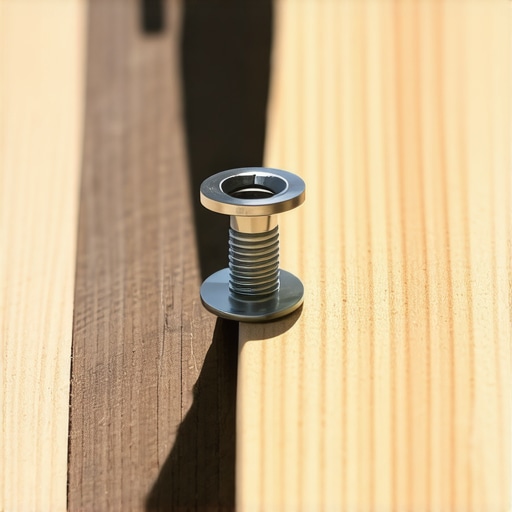
Start by choosing high-quality, corrosion-resistant fasteners like stainless steel or hot-dipped galvanized screws. During my last project, I replaced generic screws with marine-grade stainless steel fasteners, which resisted rust even after a rainy season, ensuring the border stayed tight and attractive. This simple swap saved me from future headaches and costly fixes.
Pre-Drill Holes for Precision and Ease
Pre-drilling guides the fastener accurately and prevents the wood or composite from splitting. I once worked on a border installation where neglecting this step caused several boards to split when driven in. By drilling small pilot holes first, I achieved a cleaner look and more secure fastening, reducing the risk of loosening over time.
Stick to the Correct Fastening Pattern
Use a consistent pattern—spacing screws approximately 12 inches apart along the border edges. When I installed my last deck border, I laid out precise chalk lines and marked positions, which kept the fasteners even and the border perfectly aligned. Uniform placement distributes stress evenly, preventing warping or gaps.
Use Hidden Fastening Systems for a Seamless Look
Hidden clips or screws not only hide unsightly hardware but also allow slight movement to accommodate expansion and contraction. I once upgraded my border with hidden fasteners, which made the border look sleek and prevented the boards from loosening with temperature swings. For detailed guidance, check out these tips on creating seamless outdoor transitions.
Ensure Proper Fastener Depth and Tightness
Screw in until just snug—over-tightening can strip threads, while under-tightening compromises hold. I used a torque screwdriver to standardize tightness during installation. This approach maintained consistent tension across all fasteners, preventing boards from shifting or squeaking.
Seal or Treat Fasteners for Extra Protection
Apply a compatible sealant or paint over fastener heads to protect against moisture infiltration. A quick dab of outdoor-grade sealant before screwing prevented rust from forming on exposed fasteners, significantly extending their lifespan and maintaining the border’s integrity.
By meticulously selecting the right fasteners, installing them with precision, and following these core steps, you can ensure your deck borders stay tight, look professional, and withstand the tests of time. Proper fastening is the backbone of a durable outdoor space, and taking these actions now saves you from future repairs.
For more detailed insights on integrating stairs seamlessly into your outdoor space, visit creating seamless transitions with stairs.
 When it comes to designing and building your perfect outdoor space, many enthusiasts and even some professionals fall prey to misconceptions that can undermine the project’s longevity and aesthetic appeal. Let’s dig deeper into some of these misconceptions and uncover the nuances that only seasoned experts recognize.
A widespread myth is that choosing the most affordable materials ensures a budget-friendly project. However, in my experience, opting for cheap composite decking or fasteners often leads to frequent repairs and replacements, costing more in the long run. Instead, prioritize quality and durability—like selecting premium composite boards—to create an investment that pays off.
Another common mistake is neglecting the importance of advanced fastening techniques, especially around stairs and borders. Many DIYers overlook the significance of hidden fasteners or proper torque settings, which causes wobbly steps and gaps over time. Proper installation, including pre-drilling and using corrosion-resistant fasteners, can prevent this; for detailed tips, see these stair design strategies.
Now, let’s consider an advanced question I’ve encountered: How do thermal expansions influence the longevity of composite decking and stairs? Many assume that modern materials are impervious to temperature changes, but thermal expansion can still cause warping or buckling if not accounted for. According to a recent study by the Building Science Corporation, composite materials can expand up to 1/8 inch per 10 feet with temperature fluctuations, emphasizing the need for adequate spacing and installation allowances. This nuance is often missed by those rushing their projects or not consulting seasoned professionals.
Finally, a
Keeping It Working: Essential Tools and Techniques
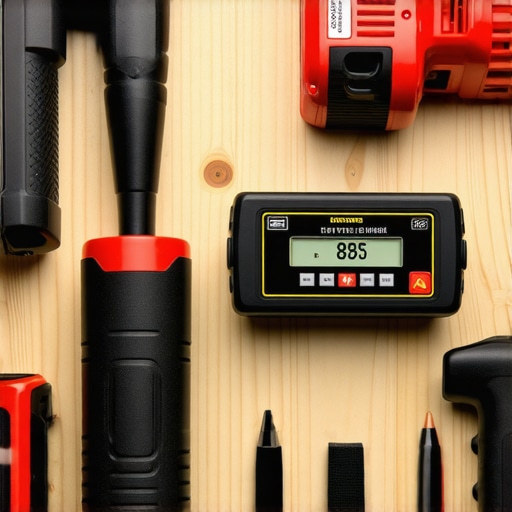
Maintaining a durable, beautiful deck requires more than just good materials; it demands the right set of tools and a systematic approach. Over the years, I’ve refined my toolkit to include equipment that ensures precision, efficiency, and longevity. One indispensable tool in my arsenal is the digital torque wrench. I use this to tighten fasteners to the exact manufacturer specifications, preventing over-tightening that can strip threads or under-tightening that leads to loose boards. Employing torque control consistently extends the lifespan of composite decking and stairs, especially when working with advanced fasteners designed for expansion and contraction.
For cutting composite boards with smooth edges, I rely on a plasma cutter. Its precision reduces chipping and splintering—a common issue with traditional saws. Additionally, I favor a laser level to ensure every board and step aligns perfectly, which is crucial for safety and aesthetic appeal. These tools help me deliver professional results and avoid costly rework down the line.
When it comes to cleaning and preparing surfaces during upgrades, a high-power blower is a game-changer. It clears debris efficiently, allowing for proper sealing and fastener installation. For sealing or treating fasteners, I usually utilize a precision applicator brush to dab sealant into tight spots—this ensures uniform coverage and complete protection against moisture ingress, which is vital for long-term durability.
Future Trends: Automation and Smart Tools
Looking ahead, I predict an increase in automation-powered tools, such as robotic saws and IoT-connected fastener counters that monitor torque and placement in real-time. This evolution will make maintaining and scaling outdoor projects faster and more precise, reducing human error significantly. For now, mastering current tools like torque wrenches and laser levels remains essential.
How do I keep my outdoor living spaces in top shape?
Regular inspections, combined with scheduled maintenance like sealing fastener heads and checking for warping, are key. I also recommend documenting your routine with digital apps that track maintenance schedules, making sure issues are addressed promptly before they escalate.
If you want to ensure your composite decking and stairs last, try deploying your torque wrench during your next fastener installation. Accurate tightening can prevent loosening and material fatigue, saving you money and time down the road. Remember, consistent, precise care today guarantees a stunning outdoor retreat for years to come. For additional insights, check out the latest composite decking trends.
Comments are closed.