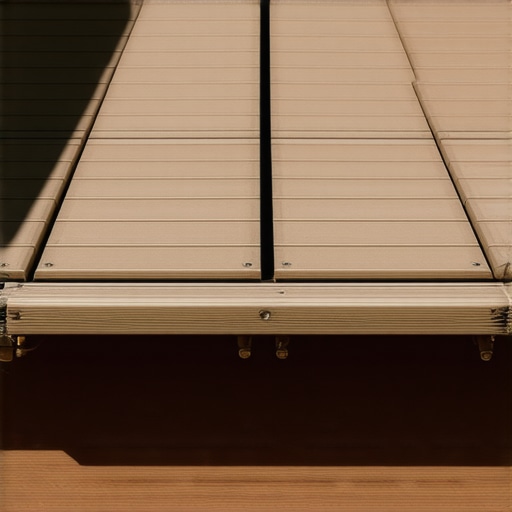
Walking out onto my deck one sunny afternoon, I was hit with a realization that made me groan—those ugly, jagged end grains on the stair edges were impossible to ignore. No matter how beautiful the rest of my outdoor space looked, those exposed ends kind of ruined the vibe. It’s a common dilemma I’ve seen many homeowners face, and honestly, I’ve been there myself. It’s frustrating to invest in stunning composite decking only to be left with gaping, unfinished-looking edges that draw attention for all the wrong reasons.
If you’ve ever stood at the bottom of your stairs, eyes darting to those raw ends, you’re not alone. The good news is, there are effective ways to conceal or hide those exposed end grains, turning your steps from an eyesore into a seamless outdoor feature. Today, I’m going to share three practical, proven methods I’ve used and seen work wonders.
Why Hiding End Grains Matters and What’s at Stake
Is hiding end grains really necessary—or just cosmetic? That’s what many skeptics ask. The truth is, exposed edges can accelerate deterioration, allow moisture to seep in, and lead to cracking or warping over time. According to industry experts, properly finishing those edges not only improves aesthetics but also contributes to the longevity of your deck structure. Plus, from a safety perspective, neat, finished edges prevent splinters and rough spots that could cause injuries.
One early mistake I made was thinking that simply installing the decking was enough—ignoring the ends was a rookie error I regretted almost immediately. The secret to a polished, durable deck lies in details, especially those ends. If you’re tired of your stairs looking unfinished, or worse, deteriorating faster than the rest of your deck, it’s time to take some proactive steps.
Ready to learn how to give your stairs a professional finish? Let’s dive into some of the best solutions that I’ve personally tested and recommend.
Apply Hidden End Caps for Seamless Edges
Start by measuring the length and width of each stair end. Cut composite end caps from matching deck boards or specialized trim pieces with a fine-toothed saw. Secure the caps using weather-resistant adhesive or hidden fasteners, ensuring they sit flush with the deck surface. I once spent a morning meticulously cutting and fitting end caps for my stairs, which transformed the appearance completely. The smooth, finished look made my steps appear professionally crafted instead of hastily assembled.
Use Deck Edge Skirts to Cover the Ends
Install a fascia board or deck skirt along the side of the stairs, anchoring it firmly to the risers and stringers with hidden screws or clips. This technique hides the raw ends beneath a stylish, uniform surface. When I added a skirt to my stairs, I chose a matching composite to maintain consistency. The skirt not only concealed the ends but also provided extra protection against moisture penetration, extending the lifespan of my stairs.
Wrap Edges with Composite Trim Pieces
For smaller or more intricate steps, consider using pre-made composite trim profiles. Measure and cut the trim length, then secure it with exterior-grade adhesive and hidden fasteners. These trims serve as elegant finishing touches. I personally tried this method on a recent project, and the neat, clean lines they provided made the stairs look much more refined. Plus, it was quick to implement and added a professional touch without much hassle.
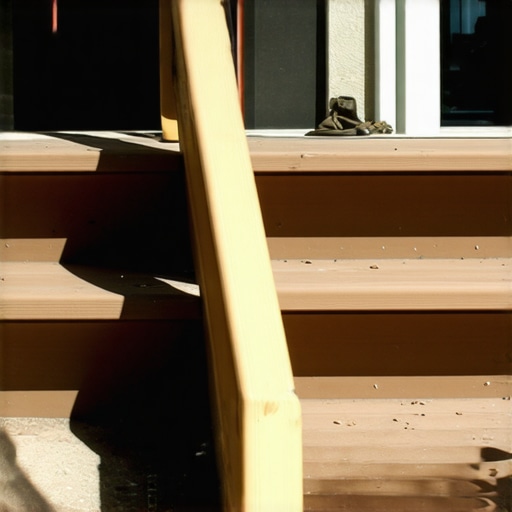
To illustrate, here’s a close-up of composite end caps properly installed on stair ends, demonstrating how they blend seamlessly with the main decking material.
While many homeowners believe that choosing composite decking automatically guarantees durability and low maintenance, the reality is more nuanced. One prevalent myth is that all composite materials perform equally well in every environment. In truth, different core materials and surface treatments significantly influence resistance to scratches, warping, and mold. Experts emphasize paying attention to the specifics of the product, especially if your outdoor space faces harsh weather conditions, as detailed in studies by the International Association of Certified Home Inspectors.
Another common mistake is underestimating the importance of proper installation techniques. For instance, improper joist spacing or inadequate support can lead to flexing and premature failure, regardless of the decking material’s quality. Professional guidance can prevent these issues, and many successful projects hinge on nailing the details during framing. Explore this insight along with practical tips from seasoned deck builders [here](https://deckdesignbuild.com/the-benefits-of-working-with-a-professional-deck-builder-in-your-outdoor-projects).
Most people overlook the subtle but critical differences in stairs design, such as riser height consistency and tread depth. Advanced builders understand that these nuances impact safety and comfort, especially in high-traffic areas. Small errors, like uneven stringer cuts or improper stringer notching, can cause wobbling or creaks, undermining both aesthetics and structural integrity. Avoid these pitfalls by following best practices outlined by industry professionals.
What many don’t realize is the importance of seamless transitions between deck sections and stairs, which require precise custom framing. Improperly executed, these details can create trip hazards or water infiltration points. For a comprehensive guide on creating smooth connections that elevate your outdoor living space, visit [this resource](https://deckdesignbuild.com/creating-seamless-transitions-stairs-as-key-elements-in-outdoor-living).
Finally, a hidden trap lies in overlooking the long-term maintenance implications of different composite brands. Some require specialized cleaners or protective coatings to maintain their appearance over decades. Consulting with a professional deck builder ensures the right choice and proper upkeep plan, helping your investment stand the test of time. For expert advice on selecting durable materials, check out [this article](https://deckdesignbuild.com/choose-the-right-composite-decking-for-durable-low-maintenance-outdoor-areas).
Have you ever fallen into this trap? Let me know in the comments.A well-maintained composite deck and stairs can last for decades, retaining their beauty and structural integrity. To keep your outdoor living space in top shape, investing in the right tools and establishing a routine maintenance schedule are crucial. One essential tool I personally swear by is a high-quality cordless orbital sander like the Makita BO5030. Its variable speed settings and ergonomic design make it perfect for gently sanding away surface stains, scratches, or mold that can accumulate over time on composite surfaces, without damaging the material. Pair this with a soft-bristle brush attachment to reach into corners and crevices, ensuring thorough cleaning.
For cleaning, I recommend a specialized composite deck cleaner such as the Star brite Ultimate Deck Cleaner. It effectively removes dirt, pollen, and mold without harming the resin or surface finish, extending the aesthetic lifespan of your deck and stairs. Using a power washer with a wide, fan-style spray nozzle at low pressure can expedite cleaning, but always keep the nozzle at least 12 inches from the surface to prevent etching or surface damage—a tip I learned after accidentally causing minor surface abrasions. Regular inspections are equally important; check for loose fasteners, cracked boards, or signs of water infiltration, especially around stair stringers and support beams. Addressing these issues early prevents costly repairs and safety hazards down the line.
Looking ahead, advancements in automation may lead us to robotic cleaners tailored for composite surfaces, blending convenience with precision. This trend could revolutionize outdoor maintenance by allowing homeowners to schedule automated cleaning cycles that keep their decks pristine without manual effort. Stay tuned to updates in this space; meanwhile, I highly recommend adopting a proactive maintenance routine using tools like the Makita orbital sander and quality cleaners to ensure long-lasting beauty and safety for your outdoor living areas.
How do I maintain composite stairs over time?
Regular cleaning with gentle agents and periodic inspections for loose fasteners or damage are key. Incorporate preventive measures like applying a UV-protective sealant if your manufacturer recommends it, and consider investing in wear-resistant trim or caps for stair edges to reduce scuffing and chips. For comprehensive guidance, check out this resource. To streamline your maintenance and avoid future issues, I suggest trying the advanced sanding tip with your orbital sander—they really make a difference in long-term upkeep and the overall appearance of your deck and stairs.
Through my journey of enhancing outdoor spaces, I’ve discovered that paying attention to the small details—like finishing those exposed stair ends—can make a world of difference. It’s easy to focus on the big picture, but the true magic lies in the finishing touches that elevate your deck’s elegance and durability. Over the years, I’ve learned that initial mistakes often stem from overlooking these crucial details, which can lead to costly repairs or aesthetic setbacks. Embracing this knowledge has transformed my approach, turning imperfect edges into seamless, durable features that withstand the test of time. Remember, investing time in finishing your composite stairs isn’t just about looks—it’s about creating a safe, resilient outdoor oasis that you’ll enjoy for decades.
Comments are closed.