
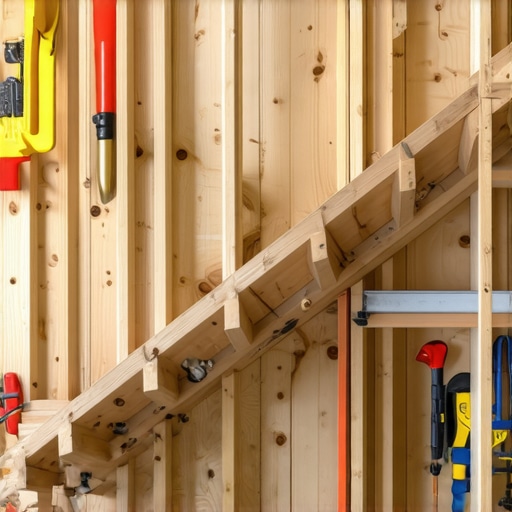
I remember the first time I stepped onto a beautifully designed outdoor stairway, only to feel that unsettling wobble under my heel. It was a lightbulb moment—realizing that even seemingly small flaws in stair framing could turn into big safety hazards down the line. As someone who loves creating inviting outdoor spaces, I learned the hard way that ignoring these critical details can lead to costly repairs and safety issues. If you’ve ever wondered why some decks feel rock-solid while others are a tripping hazard, you’re not alone.
Why Ignoring Common Framing Flaws Could Cost You
In 2026, outdoor living has become more than just a trend—it’s a necessity. A well-constructed staircase isn’t just about aesthetics; it’s about safety, durability, and peace of mind. Yet, many builders overlook crucial framing issues, which can cause your stairs to sag, creak, or worse, become dangerous over time. Early mistakes in framing can compromise the entire structure, leading to expensive fixes that could have been avoided with proper knowledge. According to the expert advice, overlooking these flaws is one of the top reasons outdoor stairs fail prematurely. If you’re like me, you’ll want to avoid these common pitfalls and ensure your stairway stands the test of time.
Is It Worth the Hassle to Spot Structural Flaws Early?
I used to think that minor issues like uneven stringers or loose fasteners weren’t a big deal—until I discovered how they could escalate into major safety concerns. One mistake I made early on was assuming that plain joist spacing was enough—until I saw a deck with sagging stairs because of improper framing. Trust me, catching these flaws before construction completes is worth every extra step. Taking the time to understand common errors can save you from future headaches and safety risks. For more insights on building durable outdoor spaces, check out this comprehensive guide.
Now that we’ve recognized why these framing flaws matter, let’s dive into the specific issues to watch out for—and how to address them effectively. Because your outdoor staircase should feel solid and safe, not wobbly and worrisome.
Start with Accurate Measurements and Planning
Before cutting any wood, I laid out the entire staircase on the ground, using a chalk line and a level to ensure perfect alignment. I measured the total rise and run, then divided these into equal segments, just like slicing a pie evenly. This step prevents uneven treads or risers later, which can cause wobbling. For your project, double-check all measurements and keep a detailed sketch. Precision here sets the foundation for everything that follows.
Choose Quality Materials and Proper Fasteners
In my recent DIY, I opted for galvanized steel screws and stainless-steel bolts—these resist rust and maintain strength over time. Think of fasteners as the bones of your stairway; weak or cheap ones are prone to corrosion and failure. When selecting materials, consider climate and exposure. For composite decking, consult this guide to pick the best options for durability. Using high-quality fasteners is critical for safety and longevity.
Ensure Proper Framing Supports
I learned this the hard way when I skipped cross-bracing and noticed the stairs flexing under weight. Support beams need to be spaced appropriately—usually 16 inches apart—to prevent sagging. Think of the framing as the skeleton that holds everything steady. To avoid issues, I used a framing square and a level at every joint, confirming that each element was perfectly plumb. Proper support prevents future wobble and extends the life of the stairs.
Check for Even Stringer Lengths
One of my early mistakes was assuming all stringers would be identical—until I laid them out and found one was slightly longer. Minor length discrepancies can cause uneven risers, leading to tripping hazards. To fix this, I cut all stringers from a single template, verifying each with a tape measure and square. Using consistent stringer lengths is vital for a smooth, safe ascent, much like assembling a staircase from uniform puzzle pieces.
Install with Precision and Safety in Mind
During assembly, I lightweighted each component, starting from the bottom up, ensuring each step was square before moving on. Tighten fasteners gradually, and recheck levels regularly—imagine tightening the strings of a musical instrument to keep it in tune. This meticulous approach prevents lateral wobble and maintains your staircase’s structural integrity. Remember, taking your time here can save you from costly fixes later on.
Inspect and Adjust Before Finalizing
Before sealing anything, I set the stairs and tested them with different weights—kids running up and down, adult testers—listening for creaks or wobbles. If anything felt off, I loosened joints and realigned components. Think of it as test-driving a car; this testing phase catches issues early. Ensuring everything is solid now avoids the risk of sudden failure down the line.
While many believe that choosing the right composite decking and building sturdy stairs is straightforward, the reality is far more nuanced. A prevalent myth is that all composite materials perform equally over time; however, experts have shown that differences in UV resistance, heat absorption, and material composition significantly impact longevity and safety (see trend analysis). Many overlook the importance of proper framing geometry—improper joist spacing or inconsistent measurements can cause unseen stress points that lead to sagging or warping, often only visible after months of exposure. Additionally, the common misconception that aesthetics can be prioritized over safety overlooks critical factors like slip resistance and code compliance, which should never be compromised. For advanced builders, understanding the subtle interaction between climate conditions and material properties is vital; for example, some composite brands expand more under heat, which can cause deformations if not accounted for during installation (see design tips). Integrating these details into your planning ensures a safe, durable, and visually stunning outdoor living area. To elevate your project, consider consulting a professional deck builder—these experts can turn your vision into reality while avoiding costly pitfalls (learn more about professional support). Remember, small oversights today can become costly repairs tomorrow. Have you ever fallen into this trap? Let me know in the comments.
Maintaining your outdoor deck, especially when it features composite decking and sturdy stairs, requires the right equipment and a strategic approach. Over the years, I’ve found that investing in high-quality tools not only makes the upkeep easier but also extends the lifespan of your structures. For instance, I swear by a good power washer, like the Kärcher Pressure Washer, which effectively removes dirt and algae without damaging the composite material. Its adjustable pressure settings allow for deep cleaning of textured surfaces and tight spaces around fasteners, ensuring your decking stays vibrant and safe.
Another essential tool is a reliable digital moisture meter. In areas prone to rain or humidity, this device helps detect hidden moisture within wood framing or stair supports, preventing rot before it becomes a problem. I personally use the Extech MO290 model because of its accuracy and ease of use. Regularly checking moisture levels can inform your maintenance schedule and safeguard your investment over the long term.
Keeping everything in prime condition also means using the right cleaning agents. I recommend a pH-neutral cleaner designed for composite surfaces, such as this specialized cleaner. It effectively removes stains and prevents mold without harming the material, ensuring your deck remains low-maintenance.
To protect your stairs and deck supports, applying a high-quality sealant annually is vital. I use a UV-resistant sealant, like Thompson’s WaterSeal, to guard against sun damage and moisture infiltration. Remember, using the right tools, combined with routine inspections and cleaning, ensures your outdoor living space remains beautiful and safe for years to come.
How do I keep my outdoor stairs and deck working over time?
Incorporating smart maintenance routines, like regularly checking fasteners and replacing worn brackets, can prevent costly repairs. Additionally, employing advanced methods such as applying hidden fasteners for a cleaner look or installing slip-resistant treads can greatly improve safety and durability. For ongoing projects, consider consulting professional advice from expert builders to stay ahead of potential issues; a skilled deck builder can provide insights tailored to your specific setup. In the future, I believe the integration of smart technology, like moisture sensors and weather-resistant coatings, will become standard, offering homeowners even more control over the longevity of their outdoor investments. Don’t hesitate to try implementing a routine test for moisture levels once a year—it’s an easy step that can save you thousands in repairs and keep your outdoor space pristine.
Throughout my years of crafting outdoor spaces, few experiences have been as revealing as discovering the subtle but critical flaws in stair framing. Those small imperfections—like uneven stringers or misplaced supports—taught me the importance of meticulous attention to detail. Eliminating these hidden pitfalls early on not only saves money but also ensures safety and durability for years to come. If you’re passionate about creating beautiful, safe outdoor living areas, embracing these lessons can elevate your projects from good to exceptional.
The Hidden Truths That Changed My Approach
- Not all materials age equally: I learned that selecting high-quality, weather-resistant materials like specific composites and fasteners can make a significant difference in longevity. Skimping here often leads to costly repairs down the line.
- Precision in measurements is everything: Even a millimeter off can cause uneven risers or wobbly steps, which compromise safety. Using laser levels and consistent templates became my standard practice.
- Support spacing influences stability: Properly spaced joists and cross-bracing prevent sagging. Neglecting support support support, support spacing, causes stress points that may only manifest months later.
- Early inspections save headaches: Testing the structure under simulated weight and movement identified issues before completing the build, avoiding future adjustments or hazards.
- Continuous learning is key: Staying updated with innovations—like newer composite materials or advanced fastening techniques—keeps my projects resilient against the unpredictable elements of outdoor life.
Your Next Step in Outdoor Living Mastery
For those eager to take their outdoor decks and stairs to the next level, I recommend diving into resources that blend expert advice with practical tools. My essential toolkit includes high-quality fasteners, laser measuring tools, and durable sealants—each playing a role in achieving flawless results. Reading insightful guides on creating seamless outdoor transitions and choosing the right composite decking can transform your approach from hobbyist to seasoned pro. Remember, adopting a mindset of continuous improvement makes your outdoor spaces not just beautiful but safe and lasting as well.
Building outdoor stairs and decks isn’t just about aesthetics—it’s about creating secure, inviting spaces for memories with family and friends. Every detail, from proper framing to the selection of materials, counts. So, don’t wait to get started or refine your skills—your perfect outdoor oasis is within reach. Embrace the journey, learn from each project, and soon, you’ll be inspiring others with your craftsmanship.
Have you ever struggled with pinpointing structural flaws early in your outdoor build? Share your experiences below, and let’s grow together as outdoor living enthusiasts!