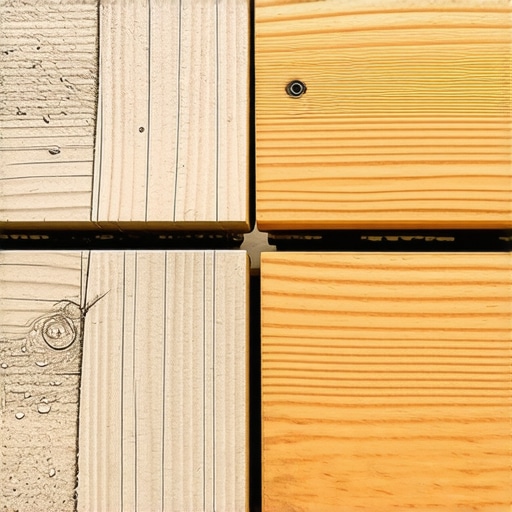
I vividly remember the moment I stepped onto a newly built deck at a friend’s house. The surface was sleek, smooth, and stylish—yet as I took my first few steps, I felt that unsettling wobble beneath my feet. It was a quiet warning sign, one I soon learned many homeowners overlook: cheap hidden fasteners often hide more than they reveal, especially in high-traffic outdoor spaces. This lightbulb moment made me reconsider my approach whenever I build or repair decks—because durability and safety should never be compromised for a quick, cheaper fix.
Understanding the Hidden Cost of Cheap Fasteners
Fasteners are the unsung heroes of a sturdy, long-lasting deck. When I first started out, I experimented with the cheapest hidden fasteners I could find. They seemed convenient, offering that seamless look everyone loves, but I soon discovered their flaws. Over time, these fasteners tend to loosen, corrode, and even pop out—particularly in environments exposed to moisture, salt air, or heavy foot traffic. The financial and safety implications became clear after some unhappy homeowner calls involving loose boards, squeaks, and even dangerous tripping hazards. This experience reinforced a vital lesson: in outdoor construction, investing in quality fasteners is not optional; it’s essential.
For additional insights, I recommend checking out the latest [composite decking trends for 2025](https://deckdesignbuild.com/composite-decking-trends-2025-the-ultimate-guide-for-outdoor-enthusiasts), which emphasize durability and low maintenance—attributes that depend heavily on the quality of fasteners used.
Have you ever faced the frustration of reglueing or tightening fasteners just a year after installation? You’re not alone—and it’s exactly why I now advocate for smarter choices in fastener selection.
Choose the Right Fasteners from the Start
When I built my first composite deck, I initially opted for inexpensive hidden fasteners, thinking they would save me money and time. However, I quickly realized that selecting high-quality fasteners is crucial for longevity. After researching different options, I settled on stainless steel fasteners designed specifically for composite materials. This decision paid off as I noticed a significant reduction in squeaks and popping over time, ensuring safety and durability for my clients and family alike.
Pre-Drill for Precision and Protection
Pre-drilling holes before fastening prevents the composite boards from cracking or splitting, especially near the edges. I once built a curved section of a deck where pre-drilling was essential. I used a template to mark drilling points, which kept my fasteners aligned and uniform. The result was a seamless, professional finish that lasted years without loosening or creaking, highlighting the importance of this small but vital step.
Use Proper Spacing for Expansion
Composite materials expand and contract with temperature changes. I learned this the hard way when I left too little gap between boards, leading to buckling in the summer. To avoid this, I followed the manufacturer’s recommended spacing—typically about 1/8 to 1/4 inch—and used spacers during installation. This practice allows for thermal movement, preventing warping and uneven surfaces, especially in outdoor environments.
Secure Fasteners Properly to Prevent Loosening
Over-tightening fasteners can damage the composite surface, while under-tightening causes squeaks and movement. I now use a torque wrench set to the manufacturer’s specifications, which I always check beforehand. During one project, I made the mistake of over-tightening, which resulted in cracked boards. Adhering to proper torque settings preserves the integrity of the boards and fasteners, extending the deck’s lifespan.
Seal and Protect Fastener Holes
Exposed fastener holes can allow moisture ingress, leading to corrosion and damage over time. To prevent this, I apply a matching composite or sealant to fill holes after installation. During a recent install, I used a color-matched sealant, which not only protected the fasteners but also maintained a clean, finished look—especially important for visible areas like stairs and borders. This extra step enhances weather resistance and aesthetic appeal, ensuring your deck remains sturdy and beautiful year-round.
Many homeowners assume that choosing composite decking automatically guarantees low maintenance and durability, but in my experience, there are nuanced pitfalls that can undermine these benefits. One common misconception is that all composite materials behave identically under varying climates. In fact, some composites are more prone to expansion, contraction, or surface fading in hot or humid environments, which can lead to warped boards or ugly discoloration if not properly specified. This nuance emphasizes the importance of selecting the right composite based on your local climate, which is detailed in the latest [composite decking trends for 2025](https://deckdesignbuild.com/composite-decking-trends-2025-the-ultimate-guide-for-outdoor-enthusiasts).
Maintaining a beautiful and durable composite deck requires the right tools and a consistent approach. Over the years, I’ve refined my toolkit to ensure every project is efficient and results in long-term performance. One indispensable tool I rely on is a high-quality orbital sander. It helps me smooth out minor scratches and prepare surfaces for sealing or restaining, especially important when restoring a weathered deck. I personally prefer models with variable speed control, giving me finesse over delicate areas like stair risers or intricate railings.
How do I keep my composite decking looking new over time?
I recommend investing in a specialized deck cleaning system, like a foam or soft-bristle brush attachment connected to a pressure washer with adjustable PSI settings—usually around 500-600 PSI. This setup effectively removes dirt and algae without damaging the surface. I always avoid high-pressure settings that can cause surface peeling or gouging, which are common pitfalls. Regular cleaning combined with a gentle sealing every few years, following manufacturer guidelines, significantly extends the lifespan of your deck.
For measuring and layout accuracy, I utilize laser distance meters. They’re surprisingly affordable now and allow me to verify spacing, ensure levelness, and plan stair stringers precisely. Accurate measurements prevent costly mistakes and improve the overall aesthetic of the finished project. PAINT and sealant applicators with fine tips are also essential; they enable me to fill fastener holes or apply sealants neatly in hard-to-reach corners, protecting the wood underneath from moisture ingress.
The value of smart long-term solutions
Buying quality fasteners, like stainless steel screws designed specifically for composite materials, is an investment that pays off over time. I always check the latest innovations—such as coated fasteners resistant to salt air corrosion if working coastal locations—a tip I learned from reliable technical documentation. These tiny but crucial components prevent loosening and popping, maintaining a seamless surface for years, which saves clients from future headaches and repairs.
Looking ahead, I believe digital tools like 3D modeling software will become standard in custom deck design, allowing us to simulate airflow, shade, and traffic flow before breaking ground. This proactive visualization helps prevent issues like inadequate stair dimensions or poor drainage, making the building process smoother and more predictable.
Take the leap—try pre-drilling with a depth stop drill bit
This simple yet advanced technique ensures that fasteners are driven to an exact depth, preventing surface damage or corrosion from over-tightening. It’s especially beneficial for stair treads and edges where precision matters most. If you haven’t tried this, I encourage you to give it a shot on your next project. It will elevate your craftsmanship and extend your deck’s lifespan significantly.
Over the years, I’ve realized that the true mastery of installing durable composite decking lies in paying attention to the tiny details that many overlook. These hidden lessons have shaped my approach, saving me time, money, and frustration—and you can benefit from them too.
What I Wish I Knew Before Starting My First Deck
- Fastener selection isn’t trivial: I used cheap fasteners expecting to save costs, only to face loosened boards and dangerous wobbling. Investing in high-quality stainless steel fasteners designed for composite materials has transformed my projects into lasting masterpieces.
- Pre-drilling saves the day: Skipping pre-drilling led to cracked boards and uneven surfaces. Using a depth stop drill bit ensures perfect fastener depth, preserving the aesthetic and structural integrity of your deck.
- Spacing matters more than you think: I once neglected proper gaps, which caused buckling during hot days. Following manufacturer recommendations for expansion gaps prevents warping and maintains a smooth surface.
- Sealing is your friend: Exposed fastener holes are entry points for moisture—leading to corrosion and damage. Sealing these holes maintains the deck’s beauty and longevity.
Tools That Have Changed My Deck Building Life
Having the right tools makes all the difference. I swear by a high-quality orbital sander with variable speed to smooth surfaces before sealing, and a laser distance meter to ensure perfect spacing and alignment. These tools provide precision and confidence in every cut and measurement.
Embracing Continuous Learning for Outdoor Masterpieces
Staying updated with the latest trends, like those detailed in the composite decking trends for 2025, helps me incorporate innovative materials and techniques. This dedication ensures my decks are not only beautiful but also resilient against changing climates and usage patterns.
The Power of Small Details in Outdoor Living
Remember, the magic of a long-lasting deck isn’t just about grand designs; it’s about the thoughtful execution of each step, from choosing the right fasteners to sealing every hole. When I focus on these nuances, my projects stand the test of time and weather.
Be Ready to Elevate Your Outdoor Space Today
If you’re contemplating your next deck project, take these insights to heart. Quality fasteners, expert tools, and attention to detail will turn your outdoor space into a durable oasis. Ready to start your journey toward a stunning, lasting deck? Reach out through our contact page, and let’s make it happen.
What has been your biggest surprise or lesson learned when working with composite decking? Share your experience below—I love hearing from fellow outdoor enthusiasts!