
I vividly remember the moment it happened—the squeak, the wobble, that unsettling feeling when my new outdoor stairs seemed to be crying out for help. Like many DIY enthusiasts and homeowners, I dove into deck projects full of enthusiasm but soon hit a frustrating snag: water accumulating in the hollow cores of composite stair treads, causing them to warp, crack, or even rot prematurely. It was a lightbulb moment that led me to discover a simple yet effective trick—the Drain Hole Hack—that changed everything.
A Little Hole Can Save Your Whole Deck
For years, I struggled with stairs that looked great but refused to stand the test of time. The culprit? Moisture trapped inside the hollow cores of composite treads. Despite the low-maintenance reputation, poorly managed drainage can sabotage your outdoor investment. Once I implemented the Drain Hole Hack—drilling small, strategically placed holes in the bottom of each tread—I noticed a dramatic difference. Water no longer pooled, and the risk of damage decreased significantly. This simple modification is a game-changer for anyone serious about durable outdoor living spaces.
Is Drilling Holes in My Stylish Treads Actually Worth It?
You might be thinking, “Won’t those holes ruin the sleek look or compromise the safety?” Trust me, I hesitated at first. I was worried about aesthetics and whether this practical fix would hold up over time. But here’s the truth: overlooking proper drainage can lead to more serious problems, like mold, swelling, or structural failure—none of which you want lurking behind your beautiful deck. Early on, I made the mistake of ignoring drainage entirely, assuming the composite material would handle moisture naturally. That mistake cost me dearly, and I don’t want you to suffer the same fate.
Prepare Your Tools and Materials
Before you start, gather a power drill with a 1/4-inch drill bit, a measuring tape, a pencil or marker, safety goggles, and gloves. Having everything ready will streamline the process and ensure safety throughout.
Mark the Drilling Spots Precisely
Measure and mark the spots for the drainage holes on each tread. Place the holes near the center or slightly towards the outer edge to allow water to flow out effectively. Remember, consistent placement across all stairs ensures uniform drainage.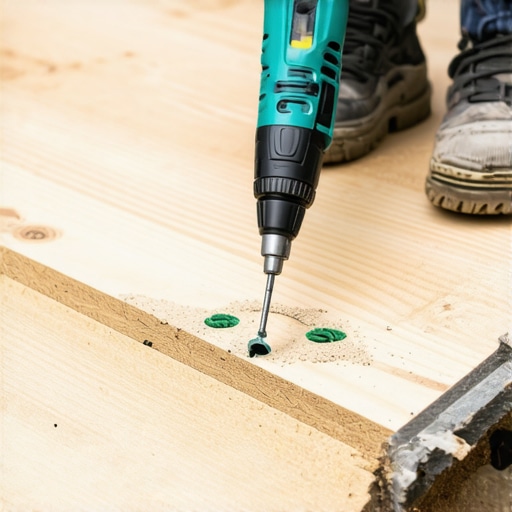
Drill with Care and Accuracy
Wear safety goggles and gloves. Position the drill perpendicular to the tread surface at your marked spot. Apply steady pressure and drill straight through, avoiding tilting the drill to prevent enlarging the holes or damaging the material. Use a slow to medium speed setting for precision.
During my first attempt, I drilled through five treads, and controlling the drill angle was crucial—any wobble could cause cracks. The key was to hold the drill firmly and keep it steady, which resulted in clean holes that perfectly drained water without marring the surface.
Clear Debris and Check Your Work
Remove any shavings or debris from the holes using a brush or compressed air. Inspect each hole for smoothness and correct placement. Properly drilled holes will allow water to escape quickly, preventing pooling and moisture buildup.
Think of the holes as tiny water exits—imagine them like small drains in a backyard pond that keep water moving freely. Spending a little extra time ensuring each hole is well-cut saves you from future problems like mold or warping.
For more insights on durable outdoor constructions, see how a professional deck builder can enhance your project at this guide.
Seal and Protect Your Work
Although the holes are essential, sealing around the edges with a clear outdoor sealant can extend their lifespan and prevent dirt accumulation. Regular maintenance, combined with these drainage holes, keeps your decking looking great and performing optimally.
I’ve found that periodic inspection is crucial—just like checking your home’s gutters, ensuring these holes stay clear of debris maintains effective water flow. This small step prolongs the integrity of your stairs and saves money on repairs.
Final Tips for Long-Term Success
Always drill a slightly smaller hole initially, then enlarge if necessary. Avoid over-drilling, which weakens the tread’s structure. Use a high-quality drill bit designed for composite materials to prevent splintering or chipping.
Each deck is unique, and minor adjustments might be needed. But overall, this straightforward method offers a reliable solution for controlling moisture in composite stairs. Proper drainage not only preserves your deck’s appearance but also upholds safety standards, making your outdoor space both beautiful and durable.
To explore more about creating seamless transitions in outdoor living spaces, visit this article.
Even seasoned deck builders often overlook the intricacies that separate a durable outdoor staircase from one prone to failure. A prevalent misconception is the idea that composite decking doesn’t require careful planning beyond choosing the right color or finish. In reality, many overlook the importance of proper framing, drainage, and maintenance, leading to premature wear or safety hazards. For instance, installing stairs without considering concrete footings or appropriate bracing can result in wobbling or structural compromise over time.
Another common myth is that all composite decking is inherently low-maintenance and water-resistant enough to ignore drainage considerations. However, as I discovered, neglecting to incorporate small drainage holes or proper slope in stair treads can cause water pooling, leading to mold, rot, or warping, even in high-quality materials. Experts like those at this guide emphasize that understanding the nuances of material behavior is crucial for longevity.
Is Hidden Damage from Moisture a Silent Killer?
Many assume that composite materials—especially capped variants—are immune to water damage. While advancements have made these products more resistant, moisture trapped beneath the surface can still cause problems if not properly ventilated or drained. Small imperfections in installation, such as inadequate clearance or improper sealing around edges, can trap water inside hollow cores, leading to rot and mold beneath the visible surface. Recognizing these potential pitfalls allows builders to preemptie issues through detailed design considerations.
Furthermore, it’s a mistake to underestimate the significance of professional guidance. Doing DIY-only can lead to overlooked nuances, like appropriate joist spacing or correct fastening techniques, which are vital for safety and durability. Visiting resources such as this article can provide insights into creating seamless, resilient outdoor transitions that blend beauty with function.
Incorporating these advanced insights prevents common pitfalls and elevates your outdoor living space from average to enduring. Remember, the devil is in the details; understanding the hidden nuances of stair design and composite decking ensures longevity, safety, and aesthetic appeal. Have you ever fallen into this trap? Let me know in the comments.Maintaining outdoor stairs and decks requires more than initial installation; it demands the right tools, precise methods, and consistent upkeep to ensure durability and safety over time. One of my go-to strategies involves regular inspections paired with the use of specialized equipment like digital moisture meters, which allow me to detect hidden water intrusion before it causes significant damage. These devices, such as the Protimeter Surveymaster, provide instant readings of moisture levels within composite and wood materials, enabling proactive repairs and preventing costly replacements.
In addition to moisture detection, I rely heavily on high-quality power tools, including a cordless impact driver equipped with corrosion-resistant bits. These tools make adjusting or replacing fasteners effortless, especially in tight corners or hard-to-reach spots—an essential factor since loose fasteners can compromise the stability of your stairs and deck over time.
For long-term results, I recommend applying specialized sealants like Penetrating Wood Oil for wooden components or clear outdoor sealants designed for composite surfaces. Regular reapplication, typically every couple of years, protects against UV damage, moisture ingress, and general wear. Incorporating smart design features, such as upgraded drainage holes and proper slope in stair treads, also plays a vital role in maintaining structural integrity.
Looking ahead, the trend is shifting toward incorporating smart technology into outdoor maintenance. Future innovations may include IoT-enabled moisture sensors that send real-time alerts to your smartphone, ensuring you’re always ahead of potential problems.
How do I keep my outdoor stairs and decks functioning perfectly over time?
A crucial part of this ongoing process involves routine cleaning with gentle, non-abrasive cleaners and inspecting for early signs of wear or damage. Using a pressure washer is tempting, but it can harm the surface and should be replaced with softer methods like a garden hose with a spray nozzle or professional-grade cleaning brushes. Always check for loose fasteners or signs of rot, especially in corners or areas sheltered from sun and rain.
To further enhance durability, consider using composite decking materials with mineral cores, such as those discussed in the 2025 trends guide. These materials offer superior resistance to moisture and UV degradation, reducing maintenance needs.
My personal routine also includes documenting each inspection with photos and notes, helping track gradual changes over the years. This documentation is invaluable for planning repairs or upgrades and becomes even more essential if you decide to scale your outdoor living space.
Don’t forget to consult trusted resources such as the detailed technical analyses available in professional construction manuals or industry standards for ensuring code compliance and safety, like those outlined in the 2025 safety and style guide.
Try implementing one advanced maintenance technique today—perhaps investing in a moisture meter—and notice how it transforms your approach from reactive to proactive, dramatically prolonging the life and enjoyment of your outdoor spaces.
The Unexpected Lessons from a Wobbly Staircase
One of the most surprising revelations I encountered was how a tiny change—drilling small drainage holes—could dramatically increase the lifespan of my outdoor stairs. Initially, I thought aesthetics and safety were enough, but neglecting moisture management proved costly. That lightbulb moment taught me that paying attention to the smallest details can prevent big problems down the line.
Why I No Longer Fear Water Damage
After implementing the Drain Hole Hack, I realized that effectively managing water isn’t about extravagant investments but thoughtful design. Proper drainage kept my stairs solid, safe, and looking pristine year after year. This approach isn’t just practical; it transforms your outdoor space into a worry-free retreat where durability and beauty go hand in hand.
Investing in Simplicity for Long-Term Benefits
Instead of overcomplicating your deck design, focus on simple modifications like strategic drainage holes. These tiny features act as the unsung heroes of outdoor longevity, preventing moisture buildup that leads to warping or mold. Learning this lesson has shaped my entire approach to outdoor construction, emphasizing that sometimes, less truly is more.