
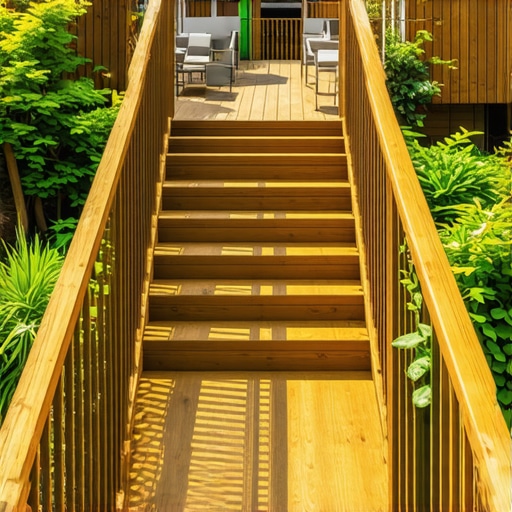
Ever found yourself staring at your outdoor space, frustrated by the uneven, weathered stairs that seem to detract from your backyard oasis? I’ve been there. A few years ago, I installed a deck, excited about the endless summer evenings and family gatherings. But the staircase? It became a constant source of worry — warped wood, slippery surfaces, and an eyesore that didn’t match my vision of a beautiful outdoor retreat. That lightbulb moment hit me hard: your stairs aren’t just functional; they’re a vital part of your outdoor aesthetic and safety.
Why Outdoor Stairs Can Make or Break Your Deck’s Appeal
Choosing the right staircase design isn’t just about looks. It’s about durability, safety, and how seamlessly it integrates with your overall outdoor living area. When I first started researching, I learned that many homeowners overlook the importance of durable materials and thoughtful design. This oversight can turn a simple project into a nightmare — warped, rotting stairs, or worse, accidents. Luckily, I discovered that with the right planning, you can avoid these pitfalls and create a stunning, lasting feature that elevates your entire backyard experience.
Have you ever faced issues with your outdoor stairs that just won’t hold up?
If so, you’re not alone. And I want to help you avoid the same mistakes I made early on. For example, I initially chose untreated wood, thinking it would be cheaper and easier to install. But the truth is, untreated wood is highly susceptible to weathering and rot. A professional [can guide you through selecting the best materials](https://deckdesignbuild.com/choosing-the-right-composite-decking-for-durable-low-maintenance-outdoor-areas) for longevity and minimal maintenance. Investing in quality materials, like composite decking, can make all the difference — and according to industry reports, composite materials are projected to dominate 2025 outdoor trends due to their resilience and beauty.
In the sections ahead, I’ll share practical ideas and expert tips on how to craft outdoor stairs that are both stylish and built to last. Whether you want a modern look, classic charm, or something in between, I’ve got you covered. Ready to transform your outdoor space into a safe, stunning haven? Let’s dive into the best staircase ideas that will stand up to 2024’s weather challenges and elevate your outdoor living to new heights.
Stay tuned, because your perfect outdoor staircase isn’t just a dream — it’s within reach.
Select the Right Materials for Your Outdoor Stairs
Choosing durable materials is the foundation of a lasting outdoor staircase. I remember my first attempt where I opted for untreated wood, thinking it would save money. After a harsh winter, the stairs warped and rotted quickly. That experience taught me the importance of investing in high-quality, weather-resistant options like composite decking. Learn more about selecting the best materials to prevent future headaches.
Plan Your Staircase Layout Carefully
Before cutting any wood or composite boards, map out your staircase dimensions precisely. Measure the height from your deck to the ground and decide on the number of steps needed—typically, 7-8 inches per riser. I once skipped this step and ended up with stairs that looked uneven and felt unsafe. Using a simple calculator and drawing a quick sketch saved me from costly mistakes. Remember, proper planning ensures safety and aesthetic harmony.
Build a Solid Frame for Stability
Construct a sturdy frame using galvanized metal or pressure-treated lumber. Think of this as the skeleton of your stairs—if it’s weak, everything else collapses. I used metal brackets for added support, which proved invaluable during heavy rains, preventing any wobbling. Secure your frame into the ground with concrete footings for extra stability. This step is critical for long-term durability and safety.
Attach Treads and Risers with Precision
Fasten your chosen material to the frame tightly with corrosion-resistant screws. When I installed my stairs, I pre-drilled holes to avoid splitting the composite boards, which can be brittle if mishandled. Leave a slight gap between boards for drainage and expansion. For a seamless look, align each step carefully and check for levelness frequently. Consistency here enhances both safety and visual appeal.
Ensure Safety with Proper Handrails and Lighting
Adding handrails not only boosts safety but also adds style. Use weatherproof materials and secure them firmly into the structure. I installed LED step lights to illuminate my stairs at night, creating a cozy ambiance and reducing fall risks. Proper lighting and sturdy handrails are non-negotiable for outdoor stairs—think of them as your stairs’ safety belt.
Finish with a Protective Seal or Coating
Finish your stairs with a sealant or paint designed for outdoor use. This adds a waterproof barrier and enhances color longevity. I applied a clear sealant, which kept my stairs looking new despite heavy rain and sun. Regular maintenance, like cleaning and re-sealing annually, will keep your stairs in top condition for years to come.
Building outdoor stairs that last involves careful material selection, precise planning, and attention to detail. By following these steps, you’ll create a safe, stylish feature that elevates your outdoor living space for 2024 and beyond. For more detailed tips and professional insights, explore expert strategies on durable outdoor stairs.
When it comes to outdoor stairs, many homeowners believe they can cut corners or rely on outdated advice, leading to costly mistakes. Let’s dig deeper into some of the most common misconceptions and advanced pitfalls that can trip you up in your project. Understanding these nuances is essential for creating stairs that are not only beautiful but also safe and durable.
Why Most People Overlook the Importance of Material Nuance
A widespread myth is that choosing a cheaper, untreated wood is sufficient for outdoor stairs. In reality, this approach often results in warped, rotting steps within a few seasons. Many assume that the initial cost savings outweigh long-term maintenance, but expert insights show that investing in high-quality, weather-resistant materials like composite decking drastically reduces upkeep and extends lifespan. For example, selecting the right composite is a game-changer for durability, especially in climates with heavy rain or snow.
Advanced Mistake: Neglecting Proper Drainage and Ventilation
One of the most overlooked details is ensuring adequate drainage and ventilation beneath your stairs. Many homeowners focus solely on the visible parts, assuming that a sturdy frame is enough. But trapped moisture can accelerate rot and compromise structural integrity over time. Installing a slight slope for water runoff and leaving space for air circulation is crucial. This nuance can prevent long-term issues, especially when using materials like wood that are more susceptible to moisture damage. For further insights, see how expert builders emphasize these details in their projects.
Are You Making the Same Error with Safety Features?
Another common trap is underestimating the importance of safety features like handrails and lighting. Some think handrails are optional or that standard fixtures suffice. However, advanced outdoor stairs require sturdy, weatherproof handrails and proper lighting to prevent accidents, especially at night. LED step lights, for example, can dramatically improve safety without compromising aesthetics. Skipping these features might save a little money upfront but can lead to serious safety hazards. Proper safety measures are non-negotiable for durable outdoor stairs.
Have you ever fallen into this trap? Let me know in the comments. Remember, building outdoor stairs isn’t just about aesthetics; it’s about creating a safe, lasting feature that enhances your outdoor living experience. For more detailed tips, explore expert strategies on durable outdoor stairs and avoid these common pitfalls.
Maintaining your outdoor stairs is crucial to ensure their longevity, safety, and aesthetic appeal. Over the years, I’ve discovered that investing in the right tools and adopting a regular maintenance routine can make all the difference. One of my favorite tools is a high-powered pressure washer. It’s perfect for removing dirt, algae, and old sealant, restoring the natural beauty of your stairs without damaging the material. I personally use the Karcher K5 Compact, which offers adjustable pressure settings and a variety of nozzles, allowing me to clean different surfaces effectively. Regular cleaning with this tool prevents buildup that can accelerate wear and tear.
Another essential piece of equipment is a cordless orbital sander. I prefer the DEWALT DWE6421K for its lightweight design and variable speed settings. It’s invaluable for smoothing out rough patches or peeling paint, especially when preparing your stairs for resealing or painting. Proper surface prep ensures that sealants and coatings adhere better, providing longer-lasting results. I recommend scheduling a biannual inspection—checking for loose fasteners, cracked boards, or signs of rot—so you can address issues early before they escalate.
For sealing and weatherproofing, I rely on a high-quality outdoor-rated sealant like Sico’s Ultra Max. Applying a fresh coat every 2-3 years keeps the wood or composite material protected from moisture, UV rays, and temperature fluctuations. A good brush and roller set, such as the Wooster Shortcut, makes the application process smoother and more even. Remember, consistent maintenance not only prolongs the lifespan of your stairs but also saves you money in the long run by avoiding costly repairs or replacements.
Looking ahead, the trend in outdoor stair maintenance is moving toward smarter, more sustainable solutions. Eco-friendly sealants and UV-resistant coatings are becoming more prevalent, helping your stairs withstand the elements with less frequent upkeep. Additionally, innovative tools with IoT technology are emerging, allowing homeowners to monitor moisture levels or structural integrity remotely. Embracing these advancements can revolutionize how you care for your outdoor stairs, making maintenance more efficient and effective.
How do I maintain outdoor stairs over time?
The key to keeping your outdoor stairs in top shape is adopting a proactive approach. Regular cleaning with a pressure washer, inspecting for damage, and promptly resealing every few years are essential steps. Don’t forget to keep safety features like handrails and lighting in good condition—tighten loose fittings and replace worn-out bulbs as needed. Incorporating smart tools and eco-friendly products into your routine ensures your stairs remain durable and attractive for years to come. For detailed guidance, check out this comprehensive guide on maintaining outdoor structures efficiently. Give one of these advanced maintenance tips a try today, and enjoy a safer, more beautiful outdoor space for years to come.
Building outdoor stairs that combine durability with aesthetic appeal is a craft that rewards careful planning and a touch of insider knowledge. Over the years, I’ve learned that the most overlooked lessons often lead to the biggest improvements. For example, one of my hardest lessons was realizing that even the sturdiest-looking frame can fail without proper drainage and ventilation — a mistake I see many homeowners repeat. Investing in high-quality materials like composite decking, while essential, is only part of the equation; understanding how moisture management affects longevity has been a game changer for my projects. Additionally, I discovered that safety features such as handrails and lighting are not just add-ons but vital elements that protect your loved ones and elevate your outdoor space’s elegance. Finally, regular maintenance routines, including smart tool use and eco-friendly coatings, can dramatically extend your stairs’ lifespan, saving you money and stress in the long run. These lessons are the cornerstone of creating outdoor stairs that stand up to weather, time, and use—making your outdoor living area safer and more inviting for years to come. For more insights, check out this comprehensive guide on maintaining durable outdoor structures.
Reading this reminded me of the importance of safety features when designing outdoor stairs. I once saw a deck renovation project where the homeowners skipped installing proper handrails and lighting, and unfortunately, there was a minor accident during a nighttime gathering. It made me realize how vital these elements are not just for safety but also for aesthetics; good lighting can really highlight the stair design and create a cozy atmosphere. I also agree with the emphasis on drainage and ventilation—moisture issues are often underestimated, but they can seriously undermine the longevity of wooden stairs. Has anyone used innovative materials or smart technology to enhance safety and maintenance? I’ve heard of some homeowners installing motion sensor lights or moisture sensors in the support structure to monitor stability. Would love to hear experiences or recommendations on integrating these smart solutions into outdoor stair projects.
This post hits on some really important points that often get overlooked in outdoor staircase projects. My personal experience has taught me that beyond choosing durable materials like composite decking, the foundation and drainage system are critical for long-term success. I once built a set of stairs with treated wood and thoughtful design, but I failed to consider proper drainage, and within a few seasons, I faced warping and rot. Since then, I’ve incorporated slight slopes and ventilation gaps, which have made a noticeable difference. I’m also intrigued by the idea of smart technology integration to improve safety and maintenance. Has anyone experimented with IoT sensors or advanced lighting systems that allow you to monitor moisture levels or structural stability remotely? I think combining durability with intelligent monitoring could really elevate outdoor stair design and longevity. What are some innovative safety systems or smart tools you’ve seen used effectively in these projects? It seems like the future of outdoor stairs is heading toward smarter, safer solutions, which is exciting.