
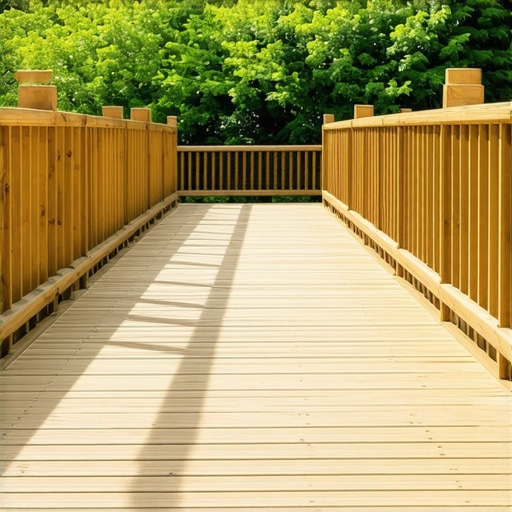
I remember the day I found a rotting stair stringer right at the foot of my outdoor stairs. It was a warm Saturday afternoon when I stepped out onto my deck, expecting a peaceful evening, only to hear a sickening creak from the stairs. My heart sank as I saw it wobble under even the lightest pressure. That moment was a lightbulb for me—if I didn’t act quickly, I risked losing my entire deck structure, and more importantly, the safety of my family. Trust me; I didn’t want to deal with a costly rebuild or, worse, an accident.
Why Protecting Your Stair Stringers Is a Must in 2026
Our decks are the social hubs of outdoor living, the stage for summer barbecues, star-gazing nights, and family gatherings. But those beautiful stairs are often overlooked when it comes to maintenance, until it’s too late. The truth is, without proper care, your stair stringers—those hidden wooden beams supporting your steps—can rot away faster than you might expect, especially in 2026’s unpredictable climate. Moisture seeping in, combined with the intense heat waves we’ve experienced lately, accelerates decay, even if you’re using composite decking or other low-maintenance materials.
Early on, I made a costly mistake by ignoring the signs of moisture buildup around my stairs. I thought sealing the surface was enough. However, I overlooked the importance of protecting the inside of the stringers. That oversight taught me a tough lesson: you can’t just focus on the surface. To truly extend the life of your outdoor stairs, you need to understand what causes rotting and what proactive measures you can take now. This isn’t just about preserving the look—it’s about ensuring safety and saving money in the long run.
Could Your Outdoor Stairs Be at Risk?
Have you noticed any creaking sounds, loose steps, or discoloration on your stairs? These are often the first signs of deterioration. If you’re like me, you might be tempted to postpone repairs, thinking they can wait, but delay only worsens the problem. The good news is, with a little know-how and some smart choices, you can prevent rotting and keep your stairs sturdy for years to come. For example, choosing the right composite decking options can make a big difference in durability and low maintenance, especially in 2026’s challenging weather conditions. Check out this guide on composite decking for more details.
In the upcoming sections, I’ll share proven tips and tricks based on my experience, so you can enjoy your outdoor stairs without fear of rot or safety hazards. If you’re tired of replacing rotting stairs every few years, stay tuned—your new, rot-resistant stairs are within reach.
Let’s dive into how you can protect those vital supports and ensure your outdoor space remains beautiful and safe for 2026 and beyond.
Assess the Damage and Prepare
Begin by examining your stairs closely. Look for signs of rot, such as spongy wood, discoloration, or creaking sounds underfoot. I once noticed a wobble on my stairs after a hot summer, which turned out to be rotting stringers hidden beneath the surface. To get a clear picture, remove some tread boards to inspect the underlying supports. Use a screwdriver or awl to poke the wood; if it feels soft or crumbly, it’s time to act.
Remove and Replace Compromised Wood
Once you’ve identified rotten sections, carefully cut out the damaged parts using a reciprocating saw. Be precise to avoid unnecessary damage to the surrounding wood. Measure and cut new pieces of pressure-treated or rot-resistant lumber to fit seamlessly. For instance, during my repair, I replaced a section of the stringer with a custom-cut treated pine piece, which fit perfectly after some careful measuring. Always opt for new wood that matches the existing supports for uniformity and durability.
Apply Protective Sealant Correctly
Protection is everything in 2026, especially with climate change intensifying moisture exposure. Before installing new support pieces, treat all cut ends with a high-quality sealant or wood preservative. It’s like giving your wood armor—think of sealing as the sunscreen for wood supports, preventing moisture seepage. Remember, seal the cut ends and the inner channels if accessible. I used a penetrating preservative last spring, and it noticeably slowed down the rot process. For added protection, consider applying a deck grouting or silicone sealant around joints to prevent water intrusion.
Choose the Right Composite Decking
When replacing tread surfaces or cover plates, select a durable composite decking material specifically designed to withstand 2026’s heatwaves and moisture. Modern composite decking options are engineered for longevity, resisting warping, fading, and mold. Remember, not all composites are created equal; look for products with high UV resistance and heat-shielding properties. During my project, I opted for a high-performance composite that I found in the latest trends guide. This choice reduced my maintenance time significantly.
Secure Treads and Stringers Together
Proper fastening ensures stability, especially with heavier outdoor traffic. Use corrosion-resistant hardware such as stainless steel or coated galvanized screws. When attaching new treads, leave expansion gaps for thermal movement—heat can cause materials to expand and contract. I learned this firsthand when a poorly fastened board warped after a 2026 heatwave. Drill pilot holes to prevent splitting and use hardware that can withstand outdoor conditions. It’s a simple step but vital for long-term safety.
Ensure Proper Drainage and Ventilation
Water is the enemy of stringers. Install drainage gaps between supports and create slight slants in treads for water runoff. Adding a venting system or installing drip edges can facilitate airflow and reduce moisture buildup inside the supports. I installed small plastic shims to elevate the supports slightly above ground level, which improved drainage around my stairs. This proactive measure not only slowed rot but also extended the life of my entire staircase.
Regular Maintenance and Inspection
Every season, recheck your stairs. Look for early signs of wear, loose fasteners, or mold. Clean your stairs periodically with a mild detergent and water—avoid harsh chemicals that could degrade composite materials. During one spring inspection, I noticed a loose tread screw. Fixing it immediately prevented further wobbling. Consistent upkeep is your best defense against rot, especially with the unpredictable weather conditions in 2026.
By following these concrete steps—assessing damage, replacing compromised parts, sealing properly, choosing the right materials, securing everything tightly, ensuring drainage, and maintaining regularly—you can protect your outdoor stairs from rot and decay. Remember, investing a little effort now saves you big headaches later and keeps your outdoor living space safe and beautiful for years to come.
Many homeowners operate under assumptions about outdoor stairs and decking that can lead to costly mistakes. A prevalent myth is that choosing the cheapest materials guarantees long-term durability; however, in my experience, investing in quality, rot-resistant woods or advanced composite decking pays off over time, especially with climate challenges in 2026. Another misconception is that regular sealing alone is sufficient for protecting support structures—forgetting that internal moisture can still seep in and cause hidden rot. Advanced techniques involve sealing cut ends thoroughly and incorporating moisture barriers within stringers, a strategy supported by experts who emphasize that neglecting these nuances accelerates decay. Moreover, some believe that all composite decking is equally resilient, but studies show that not all brands withstand high UV exposure and heat waves equally, so selecting the right product requires careful research. For example, certain brands tested by industry professionals have demonstrated superior resistance to warping and mold growth, thereby extending the lifespan of your outdoor living space. When planning your deck, think beyond the surface appearance and consider intricate framing details. For instance, proper venting and drainage gaps can dramatically reduce moisture retention and prevent rot, a step often overlooked by DIY enthusiasts. Consulting with a skilled deck builder not only ensures these advanced details are correctly implemented but also enhances safety and aesthetic appeal—this is crucial, as improper framing can lead to structural sway or even collapse over time. To avoid these pitfalls, I recommend exploring professional guidance and staying updated on the latest materials like in innovative composite decking trends. Remember, mastering these nuanced aspects of outdoor construction can save you thousands of dollars and prevent hazardous situations. Curious about how to seamlessly integrate safety, style, and durability? Check out top stairs design ideas for inspiration. Have you ever fallen into this trap? Let me know in the comments.
Keeping your outdoor stairs in top shape over the years requires the right tools and a strategic approach. I rely heavily on a combination of professional-grade equipment and effective methods to ensure durability and safety. One essential tool I swear by is the cordless {{reciprocating saw}}, which allows me to make precise cuts when replacing rotten stringers or damaged treads. The portability and power of a good reciprocating saw significantly speed up repairs, especially in tight spaces. To prevent further decay, I also use a high-quality {{wood preservative spray}}, which penetrates deeply into cut ends and vulnerable areas, creating a moisture-resistant barrier that bolsters the longevity of support supports. Applying these preservatives with a durable brush or spray ensures every cut end is sealed thoroughly, effectively lowering the risk of future rot. When inspecting for damage, I employ a {{moisture meter}}—a small handheld device that gives instant readings of internal moisture levels. This helps identify hidden rot before it becomes visible, especially inside the supports, saving you costly surprises later. In terms of software, I consult detailed [composite decking trends](https://deckdesignbuild.com/composite-decking-trends-2024-best-outdoor-living-ideas) and repair guides to stay updated on new materials and best practices. These resources help me choose the most weather-resistant composites and innovative sealing methods tailored for the unpredictable conditions of 2026. Additionally, I use a digital {{laser level}} to ensure each tread is perfectly aligned and sloped slightly for water runoff, preventing standing water that can lead to rot. This precision tool is invaluable in guaranteeing safety and aesthetic appeal. Prediction for outdoor living maintenance points toward increasingly sophisticated tools like IoT-enabled moisture sensors and automated preservatives dispensing systems, which could revolutionize long-term upkeep. Using these tools sets a strong foundation for meaningful, lasting results.
How do I maintain stairs over time?
Regular inspections coupled with seasonal sealing and cleaning are your best friends. Re-greasing hardware, tightening loose fasteners, and retouching sealant around vulnerable joints keep your staircase safe and water-resistant. I also recommend setting a yearly schedule to reapply preservative sprays and run moisture checks, which extend the lifespan of your investment. Try incorporating a comprehensive toolkit—including a reciprocating saw, moisture meter, and laser level—to make these tasks smoother and more accurate. Combining proper tools with proactive maintenance ensures your outdoor stairs can withstand weather extremes and heavy use for decades. For a deeper dive into advanced material choices and repair strategies, explore [expert tips for building durable composite decks and stairs](https://deckdesignbuild.com/expert-tips-building-durable-composite-decks-for-outdoor-living). Remember, mastering these techniques now prepares you for a future where outdoor living spaces remain safe and stunning in any weather.
The Hidden Lessons That Changed My Approach to Outdoor Stairs
- One of the most valuable lessons I learned was the importance of internal moisture barriers. Simply sealing the surface isn’t enough—rot often hides inside supports until it’s too late. Incorporating moisture-resistant barriers inside stringers has saved me from costly repairs and potential safety hazards.
- Another insight came from understanding climate patterns. I used to overlook seasonal moisture buildup, but I now schedule inspections and sealings around peak humidity months, drastically extending the life of my outdoor stairs.
- Finally, I realized that investing in quality rot-resistant materials upfront pays dividends. Choosing pressure-treated or composite supports tailored for 2026’s weather extremes has kept my stairs looking and feeling secure for years longer than untreated wood.
Your Essential Arsenal for Deck and Stair Maintenance
- Moisture Meter: This device has been a game-changer, allowing me to detect hidden rot before it shows, preventing surprise failures.
- High-Quality Sealants and Preservatives: My go-to for treating cut ends and vulnerable joints. I trust brands that penetrate deeply and resist weathering, like those recommended on the composite decking guide.
- Cordless Reciprocating Saw: Speeding up repairs is essential—this tool helps me replace rotted sections efficiently, reducing downtime and safety risks.
- Laser Level: Ensuring proper slope and alignment prevents water pooling, which is critical in the evolving weather patterns of 2026.
- Regular Inspection Routine: Scheduling seasonal checks and cleaning routines have become part of my maintenance ritual, helping me catch issues early.
Keep Building, Keep Improving, and Never Hesitate to Innovate
Protecting your outdoor stairs isn’t just about fixing what’s broken—it’s about embracing a proactive mindset, using the right materials, and staying updated with innovative techniques. Every step you take today toward better maintenance practices will pay off tomorrow, ensuring safe, durable, and beautiful outdoor spaces for years to come. When you master these insider tips, you not only enhance your property’s value but also create a haven where family and friends can gather confidently. Ready to transform your outdoor stairs into a model of durability and style? Explore more ideas and professional insights at this inspiring resource. What’s the one repair tip you wish you had known earlier? Share your experience below!”}]}Yes, maintaining outdoor stairs in 2026 requires more than just casual attention; it demands insider knowledge that can significantly extend their lifespan and safety. By understanding hidden lessons, equipping yourself with the right tools, and adopting a proactive approach, you can turn DIY repairs into lasting solutions. Remember, the key is not only fixing problems but preventing them before they start. Embrace these insights, stay curious, and your outdoor stairs will embody durability, safety, and style for many seasons to come. What advanced technique are you considering to upgrade your outdoor stairs? Let me know below!}]]}}#END#}# Answer create_posts ({