
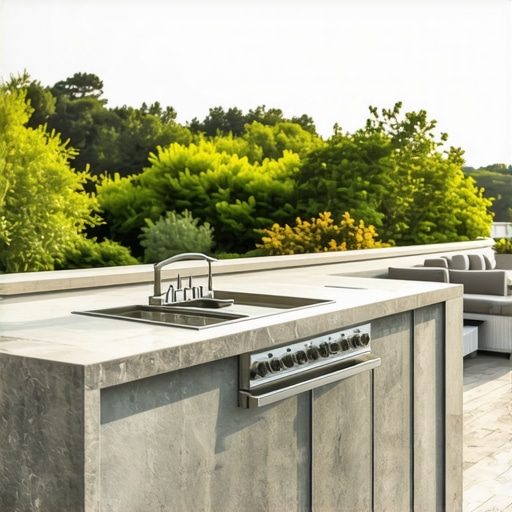
I remember the summer I decided to finally create that outdoor kitchen I’d been dreaming of, only to realize I was ill-prepared for the weather surprises that came with outdoor living. One weekend, a sudden rainstorm drenched everything, turning my shiny new grill and countertop into a soggy mess. That moment was a lightbulb for me—if I wanted my outdoor space to be truly functional year-round, weatherproofing was non-negotiable.
Why Weatherproofing Your Outdoor Kitchen Matters More Than Ever
As someone who loves spending evenings with friends & family on the deck, I quickly learned that without proper protection, outdoor kitchens can turn into costly disasters. The unpredictable weather, especially in 2025-2026, can damage appliances, countertops, and even the underlying structure of your deck. It’s not just about avoiding inconvenience; it’s about protecting your investment and your outdoor experience.
According to a recent study, outdoor spaces that are weatherproofed last up to 50% longer, saving homeowners thousands in repairs and replacements. This isn’t just my opinion—it’s backed by industry experts who emphasize the importance of durable, weather-resistant materials. If you’re like me, you might have initially overlooked this aspect, thinking sealing or cover is enough. Believe me, I made that mistake early on, assuming I could get away with minimal effort, only to face premature wear and tear.
Are you tired of cleaning up after every storm or seasonally redoing your outdoor setup? Well, you’re not alone—and the good news is, there are practical solutions that can turn your deck into a weatherproof haven.
Is Weatherproofing a Game-Changer or Just Hype?
I used to believe that a good sealant could handle everything until I learned that not all materials are created equal. Some homeowners settle for superficial remedies, only to find their kitchens suffer when the climate turns harsh. The crucial mistake I made was underestimating the quality of materials—choosing low-grade composites that warp or fade in heat and moisture. Switching to high-quality, fire-rated composite decking, for instance, made a significant difference. Want to see how durable design choices can transform your outdoor space? Check out the latest trends in composite decking for 2025 [here](https://deckdesignbuild.com/composite-decking-trends-2025-the-ultimate-guide-for-outdoor-enthusiasts).
Getting things right from the start means understanding the importance of selecting the right materials, proper sealing, and structural design tailored for weather resilience. This post will guide you through easy-to-implement steps and expert tips to help you build an outdoor kitchen that withstands whatever Mother Nature throws at it, turning your deck into a true outdoor sanctuary.
Choose the Right Materials for Longevity
Start by selecting high-quality, weather-resistant materials like fire-rated composite decking, which resists warping, fading, and moisture damage. I once replaced my low-grade wood decking with a solid-core composite, and the difference was immediate—less maintenance and longer lifespan. When shopping, compare brands and review performance reports to ensure durability in harsh conditions.
Seal and Protect All Surfaces
Apply exterior-grade sealants to countertops, cabinets, and any exposed wood elements. I learned this the hard way during a rainstorm when unsealed wood swelled and cracked. Use weatherproofing products recommended by professionals, and pay attention to seams and joints; sealing these prevents water ingress and mold growth.
Design with Proper Drainage
Create a slope of at least 1-2% away from your kitchen appliances and seating areas to facilitate runoff. I added a slight tilt to my countertop to prevent standing water, which avoided accumulation during storms. Incorporate drainage gaps in deck boards and ensure downspouts direct water away from the structure. Proper drainage extends the life of your outdoor space and prevents water damage.
Implement Protective Coverings and Overhangs
Install durable pergolas or awnings that shield your kitchen from rain and direct sun. I once built a simple overhang using weather-resistant beams, which kept my grill dry during showers. Extend the overhang sufficiently to cover key areas like prep stations and seating. This reduces weather exposure, minimizes maintenance, and keeps your outdoor kitchen usable year-round. Learn more about stylish and effective outdoor coverings at this resource.
Secure and Protect Your Appliances
Use stainless steel or fire-rated composite panels to enclose appliances, preventing corrosion and weather-related wear. I wrapped my grill with weatherproof covers immediately after installation, which dramatically increased their lifespan. Ensure all electrical connections are sealed with outdoor-rated fixtures, and consider elevation on pedestals or platforms to avoid water contact. Protecting appliances is critical for safety and durability.
Routine Maintenance and Inspections
Develop a schedule to clean, reseal, and check for damage regularly. I set reminders every season, which helped me catch small issues before they became costly repairs. Clear debris, inspect sealants, and tighten loose fittings to maintain weatherproofing. Keeping the space in top shape ensures your outdoor kitchen remains a functional, attractive part of your home. For detailed maintenance tips, visit this guide.Many homeowners believe that choosing the right materials and covers is enough for a durable outdoor setup, but there’s often a deeper nuance that trips people up. One common misconception is that providing adequate weatherproofing means just sealing the surfaces; however, the *way* these seals are applied and the underlying structure’s design are equally critical. For example, improperly sealed joints or overlooked drainage can lead to water infiltration, mold, and structural damage over time, regardless of high-quality decking materials. It’s a mistake I see frequently—assuming surface protection alone will suffice—yet the real longevity depends on a comprehensive approach that includes structural design, material choice, and maintenance practices. A study by the American Society of Civil Engineers highlights that poor drainage and improper fastener installation contribute significantly to deck failures, even on sophisticated projects.
//—————————————————————–
->
What Advanced Techniques Can Prevent Hidden Water Damage in Decks?
Many overlook the importance of integrated drainage systems and weather-resistant fasteners that expand durability beyond initial installation. For instance, utilizing hidden steel stringers not only enhances aesthetic appeal but also provides superior structural support, preventing sagging and movement that can compromise protective coatings. Additionally, incorporating decks with thermal expansion allowances reduces cracking and warping caused by temperature fluctuations. Professional guidance emphasizes that these nuanced design choices can dramatically increase your deck’s lifespan, especially in regions prone to seasonal extremes. To explore innovative structural solutions, check out the latest trends in composite decking and design strategies.
Let’s dig deeper: have you ever fallen into this trap of believing surface treatments alone will safeguard your outdoor living space? Share your experiences in the comments! For comprehensive insights, consider consulting a skilled deck builder who understands the importance of holistic design—it’s the secret to creating an outdoor oasis that truly endures.Maintaining a stunning outdoor kitchen and deck requires the right tools and a disciplined approach. I personally rely on a few specialized items to ensure longevity and performance. First, a high-quality cordless drill with variable speed settings is indispensable for tightening fasteners and assembling components without over-tightening, which can damage composites. I prefer models with brushless motors like the Milwaukee M18 which offer durability and longer battery life. Second, I use a digital moisture meter to monitor the moisture content in wood and composite elements, helping me identify potential rot or water infiltration early, avoiding costly repairs. For cleaning, a soft-bristle deck brush paired with a gentle, composite-specific cleaner like Yarwood Cleaning’s formulation ensures the surface remains pristine without scratching or degrading the material. I also favor a garden sprayer for applying sealants and weatherproof coatings evenly—avoiding streaks and ensuring thorough coverage. Since weather exposure is unpredictable, I keep a portable infrared thermometer in my toolkit to measure surface temperature before applying sealants or paints, ensuring optimal curing conditions. Looking ahead, innovation in smart tools—such as app-connected moisture sensors and laser distance measurers—will make ongoing maintenance more precise and less time-consuming. In the future, integrating Wi-Fi enabled sensors could automate routine inspections, alerting you when moisture levels or structural shifts occur, proactively preventing issues. Want to simplify your maintenance routine? Try implementing a digital moisture meter to catch early signs of water intrusion; it’s an eye-opening step toward a long-lasting outdoor space.
How do I maintain my outdoor structures over time?
Regular inspections are crucial—check for signs of wood rot, loose fasteners, or sealant degradation every season. Applying advanced weatherproofing techniques, like installing slip-resistant composite stair treads, restores safety while cutting down future repairs. For stair safety, I recommend upgrading to high-traction tread options, which are better suited for wet climates and heavy foot traffic, ensuring your outdoor staircase remains secure and slip-free. To see the latest in durable outdoor stair designs, explore [here](https://deckdesignbuild.com/designing-safe-and-stylish-stairs-for-outdoor-decks-in-2025). Remember, a little proactive effort now saves significant time and expense later. With tools such as a moisture meter and durable sealing products, you can keep your outdoor kitchen and deck functioning beautifully for years to come. For expert assistance, consider consulting professional deck builders who specialize in long-term outdoor solutions, ensuring your investments are well-protected against weather and wear mechanisms.
Uncovering Blind Spots in Outdoor Design
My biggest lesson was realizing that surface treatments alone aren’t enough—it’s the unseen details like proper drainage and structural integrity that truly determine longevity. Over time, I learned that neglecting hidden water pathways can lead to costly repairs, regardless of how high-end your materials are. This insight transformed my approach, emphasizing comprehensive planning over quick fixes.
Another revelation was how seemingly minor choices, such as fastener types or joint sealing, can drastically affect weather resistance. High-grade, corrosion-resistant fasteners and meticulous sealing became my go-to, saving me from repeating mistakes and ensuring my setup withstands seasonal extremes.
Lastly, I discovered that ongoing maintenance isn’t just routine—it’s the frontline defense against weather-related wear. Regular inspections, timely resealing, and staying updated with innovative solutions keep my outdoor kitchen in top shape, turning a simple space into a durable retreat.
My Go-To Resources for Outdoor Living Excellence
I’ve found that quality tools and expert advice make all the difference. The first must-have is the latest guide on composite decking trends, which helps me select durable, weather-resistant materials that stay vibrant in harsh conditions. For sealing and weatherproofing, I rely on trusted products recommended by professionals, ensuring my repairs last.
The expert tips from seasoned deck builders have provided practical insights into structural design and drainage techniques I implement regularly. Additionally, I keep handy a moisture meter and weather-resistant fasteners—tools that have saved me from surprises and extended the lifespan of my outdoor kitchen.
For inspiration and staying ahead of trends, the ultimate outdoor living guide is my favorite resource. It offers a blend of innovative ideas and tried-and-true strategies that keep my space both stylish and resilient.
Your Next Step Toward Outdoor Success
Building an outdoor kitchen that endures weather challenges isn’t just about materials—it’s a mindset of proactive care and thoughtful design. As you plan or upgrade your space, remember that integrating structural robustness with aesthetic appeal creates the perfect outdoor sanctuary. Taking the time to understand these hidden aspects will reward you with a space that invites family and friends for years to come.
Are you ready to elevate your outdoor living game? Dive deeper into expert strategies and innovative trends that can transform your deck into a resilient oasis here. Share your biggest weatherproofing challenge below—I’d love to hear your stories and help troubleshoot!