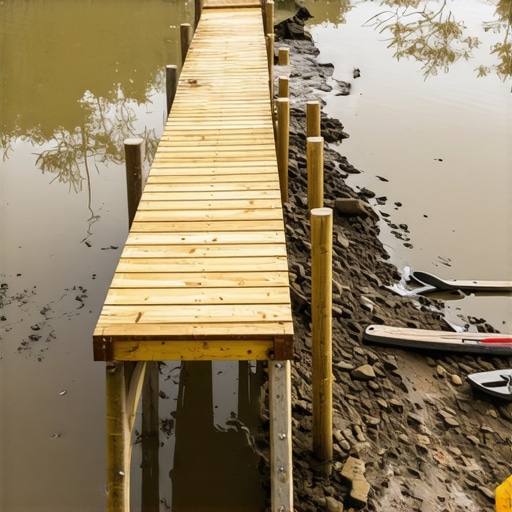
It was a muddy mess. I remember stepping onto my new outdoor landing, expecting a sturdy foundation, only to feel it wobble under my feet and sink slightly into the muck. That sinking feeling wasn’t just in my footing, but in my confidence too. From that moment, I realized how crucial it is to build a landing that doesn’t just look good but endures the test of time and terrain.
Why Settling Mud Shouldn’t Stop Your Outdoor Dreams
Building a deck or an outdoor landing is one of those projects that feels straightforward—until Mother Nature throws her curveballs. I’ve seen plenty of decks that start to sag, wobble, or even sink entirely because the ground underneath wasn’t properly prepared. It’s tempting to think a simple gravel base will suffice, but if the soil is particularly moist or prone to settling, that foundation can turn into a nightmare.
In my early days of deck building, I made the mistake of not thoroughly assessing the ground conditions. I assumed that a basic concrete pad or compacted gravel would do. Turns out, that’s a rookie error that can lead to costly repairs down the line. According to a study by the University of California, poorly drained soils are one of the leading causes of structural failure in outdoor decking. The key takeaway? Proper groundwork isn’t just a good idea; it’s essential.
So, what can you do to ensure your landing stays firm, dry, and level? That’s what we’re about to explore. Whether you’re planning a simple step onto your garden or a large outdoor entertainment area, taking the right precautions now can save you a lot of headaches later.
But first, let’s address a common concern.
Is Investing in Better Foundations Actually Worth It?
Many homeowners worry that spending extra time and money on proper groundwork might be overkill, especially if their site looks manageable. I’ve been there myself—questioning whether small investments are justified. However, skipping these crucial steps often leads to even greater costs, from repairing sinking steps to replacing entire sections of the deck. Plus, a well-built foundation improves safety and prolongs the lifespan of your outdoor space.
I learned the hard way that overlooking soil conditions and foundation integrity is one of the most significant mistakes you can make. For a detailed guide on creating a stable base that resists mud and sinking, I recommend checking out [this article on innovative outdoor living ideas with composite decking in 2025](https://deckdesignbuild.com/innovative-outdoor-living-ideas-with-composite-decking-in-2025). It offers practical tips and modern solutions that can help your project stand strong.
Now that we’ve established why a solid foundation is non-negotiable, let’s move into the specific steps you should take before planting your flag—and your landing—in the backyard. Because once you get the ground right, everything else falls into place.
Preparing the Site for Success
Before you start building, assess your ground just like a chef tastes ingredients—meticulously. Walk around and check for soft spots, pooling areas, or soil that feels loose. Use a shovel to excavate a few test spots to see if the soil compacts easily or feels muddy. If you find areas prone to moisture, plan to incorporate drainage solutions or select a different site. I once neglected this step and ended up with a wobbly landing that sank after heavy rain, leading me to tear out and redo the whole base. Use a level and string line to mark the desired elevation, ensuring the spot is consistent with your overall yard level. This upfront effort sets the tone for a stable, long-lasting outdoor space.When it comes to outdoor living spaces, many homeowners believe they need only to choose attractive materials and hope for the best. However, beneath the surface of deck design and installation lie nuanced details that can make or break the longevity and safety of your project. For instance, a common myth is that composite decking requires no maintenance—while it’s low-maintenance compared to wood, understanding its installation nuances—like proper gap spacing and drainage—can prevent costly warping or mold growth over time. A mistake I often see is neglecting the importance of ventilation underneath the deck, which can trap moisture and accelerate rot, especially in humid climates. According to research from the University of California, inadequate moisture management is one of the leading causes of deck failure, highlighting the need for advanced planning beyond superficial aesthetics.
< h3 >Are there advanced considerations that even experienced builders overlook?
Absolutely. Many seasoned builders focus on grade and structural integrity but overlook the subtleties of integrating stairs seamlessly into outdoor living designs. For example, creating proper transitions involves more than just matching tread height; it requires precise calculations of stringer angles and riser heights to ensure safety and visual harmony. Furthermore, many assume that standard fastening methods are sufficient, but innovations like hidden fasteners and bracket systems—designed for composite materials—offer both superior aesthetics and structural stability. An expert tip is to consider how the materials respond to environmental stresses; for example, aluminum brackets outperform steel in coastal areas due to corrosion resistance. Learn more about safe and seamless stair designs here.
Another often-missed aspect is the transition between your deck and existing landscape or structures. Proper flashing, drainage, and framing integration prevent water intrusion and rot, but these details are overlooked by many DIY enthusiasts. The secret lies in understanding the macro and micro-level interactions between materials, water flow, and climate conditions—a field that professional builders master through experience and continuous education.
In my projects, I always emphasize the importance of advanced planning and understanding these hidden nuances. By doing so, you’re not only creating a beautiful outdoor space but also safeguarding your investment for decades to come. Want to see modern solutions that coordinate aesthetics with durability? Check out this article on composite decking innovations for 2025.
Have you ever fallen into this trap of underestimating these nuances? Let me know in the comments! The more we share, the more durable and enjoyable our outdoor spaces become.Maintaining the integrity of your outdoor living space requires the right tools and consistent effort. One indispensable item I rely on is a laser level, which I use extensively during deck framing and stair installation to ensure perfect alignment and safety. Unlike traditional bubble levels, laser levels provide a high degree of accuracy over larger distances, saving me time and reducing errors. For example, when setting deck post heights, I position the laser at the desired grade, and it projects a precise line across multiple points, eliminating guesswork and ensuring a level foundation – a detail crucial for long-term durability.
Another essential tool is a cordless impact driver equipped with hex-shank bits, which I prefer over traditional screwdrivers. The impact driver delivers more torque with less effort, making fastener installation faster and more secure, especially when working with composite decking and hidden fasteners. I particularly recommend using stainless steel fasteners; their corrosion resistance is vital in outdoor conditions, particularly near the coast where salt air accelerates rusting. This combination of impact driver and quality fasteners dramatically reduces maintenance needs over time.
In terms of software, I incorporate 3D project design programs like SketchUp to visualize transitions, stairs, and decking layouts before any physical work begins. This digital planning helps me identify potential issues early and optimize material placement, ultimately saving costs and resources. As trends evolve, I predict integration of drone surveys and infrared moisture mapping to become more mainstream, offering builders detailed site analysis without extensive excavation.
How do I maintain outdoor structures over time?
Regular inspections are key. I check for loose fasteners, signs of rot, and water intrusion, especially around transition points like stairs and ledger boards. Applying a high-quality, penetrating wood preservative every few years extends the life of wooden components. For composite decks, cleaning with gentle, non-abrasive solutions and avoiding bleach preserves aesthetic and integrity. I also recommend installing proper drainage beneath decks—something I emphasize in my tutorials—to prevent water accumulation that rots framing elements.
If you haven’t already, try calibrating your laser level for your next project. The precision it offers can help you avoid sloped or uneven installations that compromise safety and longevity. For a comprehensive guide on effective maintenance practices and planning, visit this resource on composite decking ideas for 2025. Mastering these tools and routines ensures your outdoor space remains beautiful and safe for years to come.Building durable, beautiful outdoor spaces is an art that requires more than just good intentions—it demands lightbulb moments and a toolkit of trusted resources.
The Hardest Lesson I Learned About stairs, composite decking, deck builder, outdoor living
- Always respect soil conditions—what looks solid at first may settle or shift over time, turning your project into a repair nightmare. Knowing when to invest in proper drainage and foundation preparation has saved me from costly redo’s and heartache.
- Smart design isn’t just about aesthetics—integrating ventilation and water management systems beneath decks can dramatically extend their lifespan. I once underestimated this, and it cost me years of maintenance.
- Equipment choice matters—erring on the side of precision tools like laser levels and impact drivers can turn a shaky installation into a pristine, professional finish. These tools have become my trusted companions in transforming outdoor spaces.
- Thinking beyond the surface, understanding the micro-interactions between materials and environment helps in designing spaces that stand tall through seasons. Continuous learning about innovations, like composite improvements, has kept my projects ahead of the curve.
My Essential Toolkit for outdoor living projects
- Laser Level: Precision in aligning posts and framing ensures safety and aesthetic consistency. I rely on a high-quality laser for accuracy over large spans—it’s a game-changer in preventing sloping or uneven surfaces.
- Impact Driver with Stainless Steel Fasteners: Quick, secure fastening with rust-resistant fasteners guarantees longevity, especially in coastal environments. These investments minimize future repairs and maintenance.
- 3D Planning Software: Visualizing your outdoor space using programs like SketchUp helps identify potential issues before physical work begins, saving time and resources.
- Moisture and Drainage Expertise: Incorporating water management solutions during design phase preserves structural integrity. Consulting resources on innovative drainage solutions has made all the difference in my projects.
Lighting the Path for Outdoor Success
Consistent, well-planned lighting not only enhances safety but also creates inviting atmospheres. Upgrading to dimmable LED systems and hiding wiring using tutorials from trusted sources can make your outdoor area a nighttime haven. For more insights, explore this guide on outdoor lighting and sound.
Your Turn to Try
Embarking on your outdoor transformation? Remember, mastering these lessons and tools turns a simple deck or stairs into a lasting masterpiece. Don’t be discouraged by setbacks—each project hone your skills and confidence. Why not start planning your next outdoor living upgrade today?
Have you ever faced surprises during the foundation phase or struggled with selecting the right fasteners? Share your stories below, and let’s learn from each other’s experiences to build better outdoor spaces together!
,