
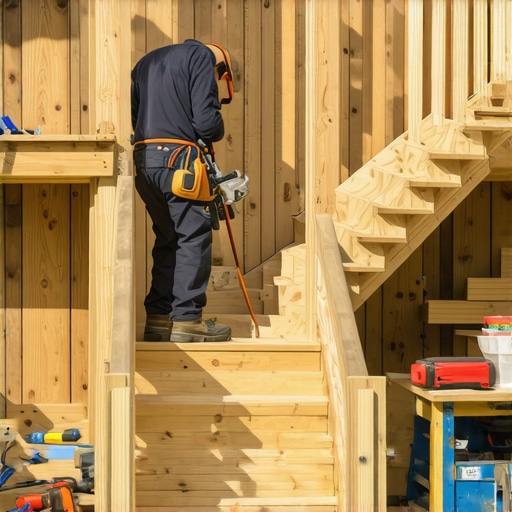
Picture this: I’m lounging on my deck, enjoying a summer evening, when I notice the creaky, wobbly stairs beneath my feet. That unsettling bounce suddenly turns my dream outdoor retreat into a tripping hazard—and honestly, a source of constant annoyance. It was a lightbulb moment that prompted me to dive deep into the world of deck framing and learn how to fix bouncy stairs effectively. Have you ever faced similar issues that made you question the safety and stability of your outdoor space?
Why Bouncy Deck Stairs Are More Than Just Annoying
Over time, I realized that loose or bouncy stairs don’t just ruin your outdoor aesthetic—they pose serious safety risks. Slippery or unstable steps can lead to falls, especially for kids or elderly family members. Plus, if you ignore the problem, minor issues tend to worsen, leading to costly repairs down the line. In my early efforts to tighten things up, I initially used basic fasteners without considering the latest framing innovations. That mistake taught me that proper framing is crucial for long-term durability. In fact, professional deck builders recommend updated framing strategies, especially with 2026 regulations and material advances, to prevent issues like this from recurring. You can explore expert tips on building durable composite decks and stairs for lasting results.
What Makes 2026 Framing Tactics a Game-Changer?
The landscape of outdoor building is constantly evolving, driven by innovations in materials and safety standards. The upcoming regulations for 2026 emphasize stronger, more resilient framing, addressing common issues like bounce and wobble. Implementing these tactics can extend the life of your deck and keep your stairs safe. For example, utilizing wider treads and steel stringers, as recommended by industry experts, can dramatically improve stability. My own experience with trial-and-error showed the importance of choosing dimensionally stable framing components and precise joist spacing, especially when working with composite decking that’s designed to withstand heatwaves and UV damage. According to recent studies, proper framing not only enhances safety but also prolongs the lifespan of your outdoor setup. You might want to check out fire-rated composite decking considerations for 2026 to ensure your entire structure is up to code.
Are you tired of dealing with unstable, creaky stairs that compromise the safety and beauty of your outdoor space? If so, stay with me. In the next sections, I’ll guide you through the savvy framing tactics that the pros are using for 2026—and how you can apply them yourself or discuss with your deck builder for a lasting fix. Whether your existing stairs need reinforcement or you’re building anew, these techniques are the key to a safe, solid outdoor haven. Ready to turn those shaky steps into a sturdy statement? Let’s get started.
Reinforce the Frame with Steel Stringers and Proper Joists
When I faced wobbly stairs, I first replaced traditional wooden stringers with steel ones—think of it like upgrading from a flimsy ladder to a robust scaffolding. Steel provides the strength and stability mandated in 2026 regulations, preventing flexing under weight. I measured the stair spans carefully, ensuring each stringer sat on solid footing, then secured them with corrosion-resistant bolts, much like anchoring a tent securely to the ground. For joists, I adopted wider spacing—12 inches on center—corresponding to the new code. This evenly distributes weight, reducing bounce, similar to how a well-supported bridge handles traffic. Use a level frequently to keep everything perfectly aligned, avoiding the trap of uneven stairs that wobble over time.
Even seasoned outdoor enthusiasts and deck builders can fall prey to misconceptions that hinder progress and safety. One common myth is that all composite decking will perform identically over time; in reality, material quality, UV resistance, and proper installation make a significant difference in durability. For instance, many assume that cheaper composites are just as long-lasting, but studies show that premium brands with enhanced UV inhibitors last considerably longer, especially during increasing heatwaves projected for 2026. Additionally, some believe that standard joist spacing suffices, yet experts emphasize that optimal spacing—such as 12 inches on center—maximizes stability and reduces bounce, especially when adhering to upcoming codes. Overlooking these nuances can lead to costly repairs or safety hazards down the line. Another frequent error lies in neglecting the importance of steel stringers for stair stability, which halt the wobble and wobbling that characterizes many outdated designs. Skipping these advanced framing techniques often results in wobbly, unsafe stairs that need replacement sooner. The trap here is opting for conventional wooden stringers without considering steel alternatives that meet the stricter 2026 standards. To elevate your outdoor space, understanding the intricacies of framing and material choice is essential. For comprehensive strategies, visit this guide on transforming your outdoor area. And remember, engaging with a professional can be the difference between a short-term fix and a lasting masterpiece. Explore how a skilled deck builder can elevate your project beyond basic DIY. Have you ever fallen into this trap? Let me know in the comments.Maintaining a durable and safe outdoor space requires the right tools and consistent effort. I personally rely on a few specialized items to ensure my composite decking and stairs stay in excellent condition over the years. First, a high-quality cordless drill with adjustable torque settings allows me to tighten fasteners precisely without damaging the composite material. For instance, I opt for the Milwaukee M18 Fuel drill because its variable speed and ergonomic design make repetitive tasks less tiring and more accurate.
Next, a digital moisture meter is indispensable for checking the condition of wooden or steel components beneath the deck, helping to prevent rot and corrosion early on. I use the Moistenon meter, which provides quick readings and alerts me to hidden issues that could compromise stability over time.
How do I maintain my deck and stairs over time?
Routine inspections are vital. Every season, I walk the entire structure, looking for loose fasteners, chipped materials, or signs of movement. When I spot a wobble, I don’t just tighten screws; I also verify the framing alignment and replace any damaged components. A torque wrench paired with corrosion-resistant fasteners ensures every bolt and screw is tightened to the exact recommended specifications—this is especially crucial with upcoming code updates for 2026 that emphasize precise fastening techniques for steel and composite components.
For cleaning, I prefer using a soft-bristle scrub brush and a mild detergent designed for composite surfaces. Avoiding abrasive brushes preserves the finish against UV damage and weathering. Additionally, I invest in a premium outdoor sealant compatible with composite decking—applied every few years—to protect against moisture infiltration and UV rays. Brands like TimberTech or AZEK, recognized for their long-lasting performance, recommend specific sealants tailored for their materials, which can be found in their technical documentation.
Looking ahead, I predict that as materials and regulations evolve, the integration of smart sensors into deck framing will become standard. These devices could automatically detect issues like excessive movement or moisture ingress, alerting homeowners before problems escalate. This tech trend will likely mean less manual inspection and more proactive maintenance—making it easier to enjoy a safe, long-lasting outdoor living space.
Don’t forget, engaging with a professional deck builder for periodic assessments can spot subtle issues early. They’re familiar with the latest compliance standards and can suggest tailored solutions to keep your structures resilient. If you’re ready to implement advanced maintenance methods, I highly recommend trying out a high-quality moisture meter and scheduling regular inspections with a trusted expert. You can find trusted professionals and learn more about maintaining stunning outdoor spaces by visiting our contact page. Stay proactive, and your deck and stairs will continue to impress for years to come.
Throughout my journey into deck building and stair reinforcement, I’ve uncovered some invaluable insights that go beyond basic DIY tips. One of the most impactful lessons was realizing that the true durability of outdoor structures relies heavily on understanding the subtle nuances of framing—like steel stringers and precise joist spacing. Small oversights, such as neglecting to update fasteners to corrosion-resistant types, can set the stage for future wobble or dangerous instability. I learned to trust the innovative standards emerging for 2026, which emphasize stronger, more resilient materials and techniques. Applying these lessons, I didn’t just fix my stairs; I transformed my entire outdoor space into a safe retreat that stands the test of time. If you’re committed to building or upgrading your outdoor environment, embracing these advanced framing tactics will make all the difference, ensuring safety, longevity, and peace of mind.