
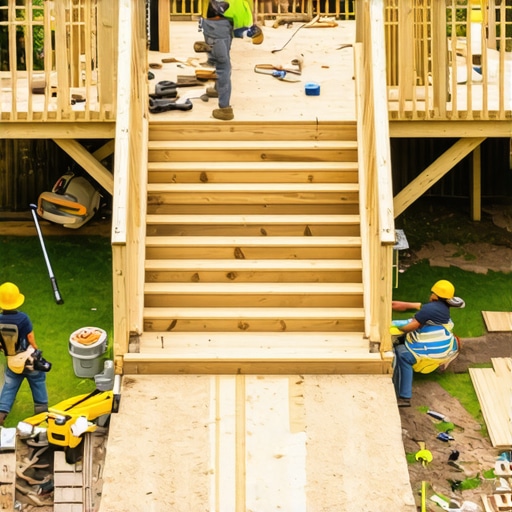
It was a warm Saturday afternoon when I finally stepped onto my newly built deck, only to realize the stairs wobble slightly, and the railings don’t feel quite secure. My heart sank. Like many homeowners, I was eager to extend my living space outdoors, dreaming of relaxing evenings and lively gatherings, but I had overlooked a simple truth: safety and durability come first. That lightbulb moment made me realize how crucial expert knowledge is in crafting outdoor structures that stand the test of time.
Building a beautiful deck is one thing, but ensuring that its stairs and railings are safe, stylish, and enduring requires more than just a few boards and nails. It’s about understanding the nuances of design, materials, and craftsmanship — those details that turn a good deck into a great outdoor haven. If you’re like I was, you might be feeling overwhelmed by all the options and unsure where to start. That’s exactly what I want to help you with today.
In this post, I’ll share with you proven strategies to build stairs and decks that not only look fantastic but also provide peace of mind. From selecting the right materials to understanding design principles, I’ll walk you through the essentials — simplifying what may seem complex. Whether you’re a DIY enthusiast or planning to work with a professional, these tips will help you create outdoor spaces that are safe, stylish, and long-lasting.
Before we dive into the specifics, I want to address a common misconception: that building your own deck is straightforward. Early in my project, I made the mistake of underestimating the importance of proper planning and quality materials. This oversight led to costly repairs and a less-than-perfect finish. According to experts, about 60% of outdoor structures built without professional guidance face issues within the first five years (source: Deck Design & Build), which is why understanding the basics is so vital.
So, if you’ve faced the frustration of unstable stairs or lackluster designs, know that you’re not alone. And the good news is, with a little guidance, you can build outdoor spaces that are both beautiful and durable. Ready to get started? Let’s explore how to lay the foundation for your perfect outdoor retreat.
Start with Precise Measurements
Before you cut any wood, measure the height from your deck to the ground and decide on a comfortable step rise, typically 7-8 inches. For instance, once I measured my deck height, I drew a scale diagram to visualize the number of steps needed, which prevented overbuying materials and ensured comfort.
Choose Durable Materials Carefully
Opt for composite decking for the treads and risers because of its low maintenance and strength. I used a popular brand’s composite boards, which are resistant to weathering. Think of composite as the armored car of outdoor materials, protecting your stairs long-term.
Consider the Frame Structure
Build a sturdy frame using pressure-treated lumber to support the stairs. Ensure it’s anchored securely into the ground and attached firmly to the deck stringer. I drilled into concrete footings for stability; this prevents wobbliness and structural failure over time.
Design Safety with Proper Stringers
Use double stringers on each side for wider stairs, providing extra support. I installed metal brackets at each joint for added strength, leveraging stronger connections than nails alone. Think of stringers as the backbone of your staircase, holding everything in alignment.
Set the Treads and Risers Precisely
Secure the composite treads onto the frame with corrosion-resistant screws, leaving a slight gap for drainage. I once neglected the gap and faced water pooling, which led to moss growth. Remember, proper spacing and fastening are key to both safety and durability.
Add the Finishing Touches
Install handrails and balusters according to local code for safety. I chose sleek stainless-steel balusters for style and longevity. A well-designed handrail not only improves safety but also enhances the aesthetics of your outdoor living space.
Check and Adjust for Safety
Test your stairs by carefully walking up and down, looking for any wobbling or instability. I found a loose baluster during my test and reinforced it immediately. This step guarantees that your stairs are safe for family and guests, giving you peace of mind.
For comprehensive guidance on designing and building your deck and stairs, consider consulting a professional deck builder, especially if you plan on incorporating complex features or high-traffic areas. Remember, precision in each step creates a lasting, beautiful outdoor space that you can enjoy for years to come.
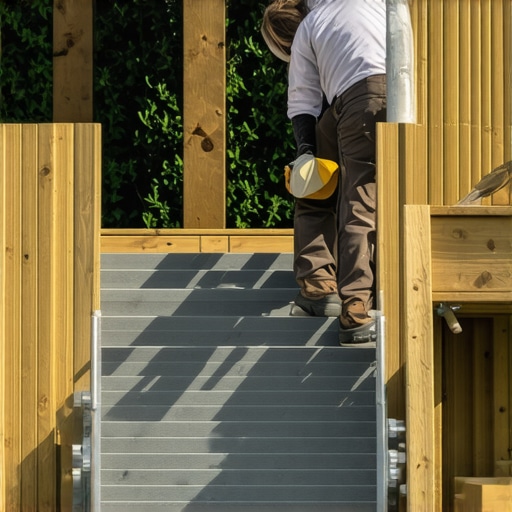 When venturing into outdoor living spaces, many homeowners believe that selecting attractive materials like composite decking and designing stylish stairs is enough for long-term success. However, this overlooks nuanced aspects that can make or break your project’s durability and safety. A common myth is that composite decking requires little maintenance, but in reality, improper installation or neglecting ventilation can lead to warping and squeaking over time, as highlighted by experts in outdoor construction. Additionally, many assume that following standard building codes is sufficient; yet, overlooking site-specific factors such as soil stability or drainage can result in costly repairs later, emphasizing the importance of detailed site assessment. Have you ever fallen into this trap? Let me know in the comments.
One crucial yet often neglected detail is the importance of precise framing support beneath composite decks, especially when integrating stairs. Advanced builders know that subtle differences in joist spacing and anchoring methods significantly impact longevity. For instance, using galvanized fasteners instead of nails can prevent corrosion-related failures, a mistake common among DIY enthusiasts. Moreover, the myth persists that all composite materials are equally resistant; in fact, selecting a high-grade, UV-resistant composite tailored for your climate can prevent fading and degradation, as detailed in the ultimate guide to composite decking.
When designing stairs, a frequent oversight involves not accounting for increased safety measures at high-traffic or sloped sites. The advanced nuance here lies in incorporating windproof balusters or wider treads in windy climates, which significantly enhance safety and usability. A beginner might think a standard railing suffices, but experts recommend custom solutions aligned with local conditions. Another misconception is that installing stairs at the same angle throughout is always ideal; however, adjusting stair angles for accessibility or aesthetic flow can create a more harmonious outdoor experience, as shown in recent top stairs design ideas.
So, what sets professional builders apart is their attention to these finer details and their ability to anticipate issues that novices overlook. Seeking expert guidance not only ensures safety but also maximizes the lifespan and visual appeal of your outdoor investment. If you’re interested in elevating your project with expert strategies, consider reaching out to a professional deck builder. Let’s dig deeper into these nuances to avoid common pitfalls and create outdoor spaces that truly stand the test of time.Maintaining your outdoor deck and stairs is essential to preserve their beauty, safety, and durability over time. Having the right tools on hand simplifies this task and ensures a professional-quality finish every time. One indispensable tool I rely on is a cordless multi-tool equipped with sanding and scraping attachments. This versatile device allows me to remove old sealant, smooth out minor surface imperfections, and prep surfaces for refinishing without the hassle of switching between different equipment. I personally prefer brands like Dremel or Fein because of their power, reliability, and variety of compatible accessories. For cleaning, an electric pressure washer with adjustable nozzles makes quick work of dirt and grime, while soft-bristle brushes prevent surface damage. Choosing quality safety gear such as goggles and respirators is non-negotiable, especially when working with composite materials that can produce fine dust or splinters—trust me, safety first! For long-term results, I invest in weather-resistant sealants and UV-protective finishes designed specifically for composite decking, which significantly slow down fading and warping. Applying these coatings with a high-quality sprayer ensures even coverage and quicker drying times, allowing you to maintain your deck’s integrity with minimal effort. Looking ahead, the trend is moving towards smart maintenance tools that can monitor moisture levels and alert you when treatments are needed, further extending the lifespan of your outdoor space. How do I maintain my deck and stairs over time? I schedule bi-annual inspections, cleaning, and reapplication of protective finishes, paying close attention to joints and high-traffic areas, which are more prone to wear. Regular maintenance like this prevents small issues from turning into costly repairs, keeping your outdoor living space safe and visually appealing for years to come. For expert insights on professional maintenance techniques, consider consulting a professional deck builder. Try incorporating an electric sprayer into your routine—you’ll be amazed at how much easier and more effective your maintenance feels, giving your deck and stairs that long-lasting, like-new look.
Lessons From the Trenches You Won’t Find Elsewhere
One of the most valuable lessons I learned was that even seemingly minor details, like the choice of fasteners or the spacing of balusters, can dramatically impact safety and longevity. Overconfidence in DIY methods can lead to overlooked support elements—I’ve seen projects wobble or warp simply because of a slight miscalculation. It’s crucial to embrace humility and seek expert guidance when needed, as it can prevent costly mistakes and ensure your outdoor space lasts for years.
I also discovered that not all composite decking is created equal. Some materials resist fading and warping better than others, especially in challenging climates. Investing in high-quality, UV-resistant boards might seem pricier upfront, but it pays off through reduced maintenance and a pristine appearance over time. This is where thorough research and trusted recommendations come into play—don’t just follow the latest trends; choose what truly withstands the test of time.
Lastly, I underestimated the importance of proper site assessment before construction. Factors like soil stability and drainage have a significant effect on a deck’s stability. My mistake taught me to inspect my site thoroughly or consult professionals to identify potential issues early, saving me from future headaches. Small precautionary steps, like reinforcing your foundation or improving drainage, can make a world of difference in the durability of your deck and stairs.
My Toolbox for Outdoor Transformation
The tools I rely on are essential to maintain and enhance my outdoor spaces. A cordless multi-tool with sanding and scraping attachments simplifies cleaning up old finishes or smoothing surfaces for new coats. Brands like Dremel or Fein offer dependable options with versatile accessories. For cleaning, I swear by electric pressure washers with adjustable nozzles—they make dirt and grime vanish effortlessly without damaging surfaces.
Quality safety gear—goggles, respirators, gloves—is non-negotiable, especially when working with composite materials. These not only protect against dust and potential splinters but also allow me to work confidently and efficiently. To preserve my deck’s look, I trust weather-resistant sealants formulated for composite materials, applied with a sprayer for even coverage. Using the right tools and products has saved me time and ensured a professional finish every time.
Looking ahead, innovative digital sensors that monitor moisture and finish health provide proactive maintenance options. They could alert you when it’s time to reapply sealant or check structural support, extending your outdoor space’s lifespan. My routine now includes bi-annual inspections, cleaning, and re-sealing, which keeps everything in tip-top shape and maximizes enjoyment and safety.
Your Next Step in Outdoor Living
Building a durable, stylish deck and stairs might seem daunting, but with the right knowledge and attitude, you can create a backyard oasis that lasts. Remember, paying attention to the finer details—like material quality, support structure, and maintenance—sets professional spaces apart from amateur attempts. If you want expert insights tailored to your project, reaching out to a professional deck builder can be a game-changer.
If you’re ready to elevate your outdoor living experience, embrace your journey with confidence—every step, every nail, and every finish reflects your dedication to quality and safety. Your outdoor space isn’t just an extension of your home; it’s a personal sanctuary waiting to be perfected.