
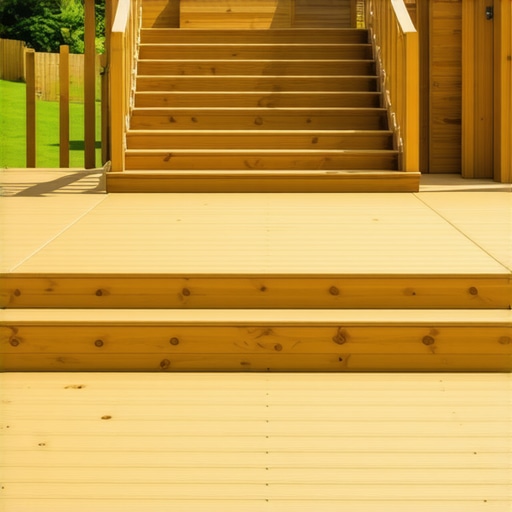
I remember the first time I decided to upgrade my backyard deck. I was excited, planning to create a beautiful outdoor retreat. But after just one winter, my wooden stairs warped and splintered, leaving me frustrated and questioning if I had made the right choice. That lightbulb moment made me realize how crucial it is to choose the right materials and proper installation techniques for outdoor spaces that truly last.
Why Your Outdoor Deck and Stairs Need More Than Just Good Looks
When I started researching, I learned that many homeowners common mistake is skipping the importance of durable materials. It’s tempting to go for the cheapest option, but in the long run, it costs more in repairs and replacements. That’s why I now advocate for high-quality composite decking and stairs—these are designed to withstand weather, foot traffic, and the test of time. Properly installed, they can turn your outdoor area into a stunning, low-maintenance oasis that remains beautiful for years. If you’ve ever faced rotting wood, fading color, or safety hazards, you know how vital this choice is. Today, I’ll share the tested tips I wish I knew earlier for creating a lasting outdoor space that impresses and endures.
Does Composite Decking Really Live Up to the Hype?
Early in my DIY journey, I made the mistake of believing all composite decking is created equal. I quickly found out that not all brands are durable, and some are more prone to fading or scratching than others. It’s essential to choose a product that’s proven to be resilient. I recommend checking out the latest composite decking options that blend style with strength. Remember, a well-selected composite deck can save you countless hours of maintenance and repair—trust me on that.
If you’re wondering whether it’s worth the investment, consider this: according to a recent study, composite decks can last up to 25 years with minimal upkeep, unlike traditional wood which often needs replacing or extensive maintenance within a decade. That’s a game-changer for outdoor living. But don’t forget—proper installation makes all the difference. A poorly built deck or stairs will weaken quickly, no matter how good the materials are.
So, if you’ve faced the frustration of warped, splintered stairs or faded decking, you’re not alone—and I’ve been there. Fear not, because in the next sections, I’ll guide you through the step-by-step process to ensure your outdoor space not only looks fantastic but stands the test of time. Ready to get started? Let’s build your dream backyard that’s both stylish and durable!
Choose the Right Materials for Lasting Results
Start by selecting high-quality composite decking that’s designed to withstand weather and foot traffic. I recommend checking the latest composite decking options for durability and style. When I built my own deck, I opted for a brand with proven resistance to fading and scratching, which saved me time and money on repairs later.
Prepare Your Site Properly
Clear the area of debris and level the ground. A solid foundation is essential. I once skipped this step and faced uneven stairs that wobbled. To avoid this, I used a laser level to ensure the base was perfectly flat. This simple step made a big difference in the stability of my stairs and deck.
Plan Your Stairs with Safety and Style
Design your stairs with consistent riser and tread heights to prevent tripping hazards. I followed the latest safety standards and added stylish handrails. When I built my stairs, I used pressure-treated framing for strength and composite treads for low maintenance. This combination ensures longevity and safety.
Execute Precise Measurements and Cuts
Accurate measurements are crucial. I once cut a stringer too short, which caused uneven stairs. To fix this, I double-checked all measurements and used a jigsaw for clean cuts. Always measure twice before cutting and use a quality saw for smooth edges.
Secure Components with Proper Fasteners
Use corrosion-resistant screws and fasteners designed for composite materials. I learned the hard way that cheap nails rusted quickly, damaging my deck. Investing in stainless steel or coated fasteners ensures your stairs stay secure and look good over time.
Seal and Finish for Extra Durability
Apply a sealant compatible with composite decking to protect against moisture and UV damage. While composite materials are low-maintenance, sealing the edges and joints adds an extra layer of protection. I applied a clear sealant after installation, which kept my stairs looking new for years.
Seek Professional Help When Needed
If you’re unsure about designing or building your stairs, consider consulting a professional deck builder. They can help you avoid common pitfalls and ensure your project is safe and durable. I personally hired a pro for my last project, and the result was a seamless, sturdy deck that I enjoy every day.
Remember, building a durable outdoor deck and stairs is about selecting the right materials, precise execution, and safety considerations. With these steps, your outdoor space will stand strong and look fantastic for years to come.
Many homeowners believe that selecting the right materials is enough to ensure their outdoor deck and stairs will last for decades. However, there’s a common misconception that often leads to costly mistakes: the belief that installation techniques are secondary to material quality. In reality, even the most durable composite decking can fail prematurely if not installed correctly. For example, improper framing or inadequate support can cause warping, sagging, or safety hazards that no high-end material can withstand.
Let’s dig deeper into this topic by examining some nuanced pitfalls that many overlook. One such trap is neglecting the importance of proper drainage. Water pooling around the foundation or beneath the stairs can accelerate rot and degrade even composite materials designed to resist moisture. Incorporating a slight slope and ensuring proper flashing can dramatically extend the lifespan of your outdoor structures. A good rule of thumb is to follow the latest safety standards, which emphasize drainage and ventilation as critical components of durable outdoor design. You can find more detailed guidance on stair safety and design.
Another advanced mistake is underestimating the significance of thermal expansion in outdoor materials. Composite decking and stairs expand and contract with temperature fluctuations, and failing to account for this movement can lead to buckling or gaps over time. Skilled builders leave expansion gaps and use fasteners that accommodate movement, which is why working with a professional deck builder can make all the difference. They understand these nuanced behaviors and can optimize the design accordingly.
What are the most overlooked factors that affect long-term durability of outdoor stairs?
Beyond material choice and installation techniques, factors such as UV exposure and soil acidity play significant roles. UV radiation can degrade surface finishes and cause discoloration, but advanced composite materials incorporate UV inhibitors that greatly reduce this effect. Soil acidity, on the other hand, can corrode fasteners and supports if not properly protected or isolated. Using stainless steel or coated fasteners, and ensuring proper footings, can prevent corrosion issues that might otherwise go unnoticed until it’s too late.
For those serious about longevity, I recommend exploring expert guides on deck construction. They often highlight these subtle yet impactful considerations that can make or break your outdoor space’s durability. Remember, the goal isn’t just aesthetic appeal but ensuring your hard work endures through seasons and weather conditions. Have you ever fallen into this trap? Let me know in the comments, and share your experiences so others can learn from your mistakes!
How do I keep my outdoor stairs functioning smoothly over the years?
Maintaining your outdoor stairs and decks requires more than just occasional cleaning. I recommend investing in a high-quality power washer, such as the Sun Joe SPX3000. It helps remove dirt, algae, and grime that can accelerate wear if left unchecked. Regularly inspecting fasteners and replacing any corroded screws with stainless steel ones ensures structural integrity. I personally keep a set of specialized fasteners on hand to address issues immediately. Additionally, applying a UV-resistant sealant annually protects against sun damage and prevents fading. These simple steps significantly extend the lifespan of your stairs and decking, ensuring safety and aesthetics for years to come.
In terms of tools, I highly recommend a laser level for precise measurements during installation. It’s incredible how much easier it is to achieve perfect alignment and pitch, especially on uneven terrain. For cutting, I prefer a jigsaw with a fine-tooth blade because it provides clean, accurate cuts for custom-fit components. To keep everything in top shape, I use a multi-tool with various attachments—sanding, grinding, or polishing—making maintenance tasks quick and efficient. These tools are game-changers, especially when you’re working on complex staircase designs or repairing minor issues without professional help.
Looking ahead, I believe the trend is moving toward smarter, weather-resistant maintenance solutions. Innovations like automated sealant sprayers and moisture sensors could become standard, helping homeowners stay ahead of wear and tear without constant manual effort. For now, my best tip is to establish a regular maintenance routine using reliable tools and high-quality materials, which guarantees your outdoor spaces stay beautiful and functional over decades. Ready to elevate your maintenance game? Try incorporating a power washer and laser level into your routine—small investments that deliver big results! For more expert tips on durable outdoor projects, visit this guide.
The Hardest Lesson I Learned About Outdoor Stairs
One of my biggest surprises was realizing that even high-quality composite materials can fail prematurely if not installed correctly. I learned this the hard way when my first staircase wobbled after just one season, despite using top-tier materials. The lesson? Proper foundation and precise measurements are everything. Now, I double-check every detail, from leveling the ground to leaving expansion gaps for thermal movement, ensuring my stairs stay safe and sturdy over the years.
3 Expert-Approved Tools That Keep Outdoor Stairs Strong
My go-to toolkit includes a laser level, a fine-tooth jigsaw, and stainless steel fasteners. The laser level guarantees perfect alignment, while the jigsaw helps me make clean, accurate cuts for custom-fit stairs. Switching to stainless steel fasteners was a game changer—they resist rust and keep my stairs secure, even in harsh weather. These tools are worth every penny for anyone serious about long-lasting outdoor stairs.
Keep Your Outdoor Stairs Flawless and Safe—Starting Today
Don’t wait until your stairs become a safety hazard or start to look worn out. Regular inspections, quick replacements of corroded fasteners, and annual sealing with UV-resistant sealant can dramatically extend their lifespan. Remember, the goal is durability and beauty, not just aesthetics. Start implementing these tips now, and watch your outdoor space transform into a safe, stylish retreat that endures all seasons.
This post really hits home for me because I’ve seen firsthand how choosing the right materials and proper installation can make or break outdoor projects. My initial backyard deck was built with what seemed like good quality wood, but after a harsh winter, all the stairs warped and cracked, leading to costly repairs. Since then, I’ve switched to composite decking and stress the importance of correct foundation work, especially drainage, which often gets overlooked. One thing I’ve learned is that even the most durable materials won’t last if not installed with attention to detail, like leaving expansion gaps to accommodate temperature changes.
I’m curious, how do others here handle drainage issues in their outdoor stairs to ensure longevity? Do you incorporate specific design features or materials to manage water effectively? Sharing practical solutions could help all of us improve our outdoor setups and avoid common pitfalls.
This post provides some really practical insights, especially about the importance of installation techniques that complement high-quality materials. I had a similar experience where my wooden stairs warped badly after a couple of winters, which made me realize that even the best materials require proper support and drainage considerations. I’ve started incorporating slight slopes and better flashing around my new composite stairs, and it’s made a noticeable difference in water runoff and longevity.
One thing I’ve found helpful is installing gravel or a drainage layer beneath the footing to facilitate water movement away from the foundation. Do others here have recommendations for effective drainage solutions, especially in areas with heavy rainfall or poor soil drainage? Also, how do you ensure that your outdoor stairs are both safe and resistant to weathering over the long term? Would love to hear more ideas based on your experiences.
This article resonates with my own experience building outdoor stairs. I learned the hard way that even top-notch materials can fail if installation isn’t handled correctly, especially concerning drainage and support. I’ve found that implementing a slight slope for water runoff and using stainless steel fasteners significantly extend the lifespan of outdoor stairs. One tip I’d add is to incorporate weep holes at strategic points to allow water to escape from underneath the stairs, preventing hidden moisture buildup that could cause rotting or corrosion over time. Do others have experience with specific drainage systems or design features that have worked well in areas prone to heavy rainfall? Sharing such strategies can help us all build safer, more durable outdoor spaces.
This post really emphasizes what I’ve learned through my own experience with outdoor stairs. I built my deck and stairs a few years ago, and at first, I underestimated the importance of proper drainage and support. Over time, I noticed signs of water pooling and slight warping, despite choosing good materials. Since then, I’ve started incorporating gentle slopes and installing weep holes in critical areas, which has made a noticeable difference in longevity. It’s clear that even the best composite materials won’t reach their full potential if the installation isn’t carefully planned to handle weather conditions.
Has anyone found particular types of fasteners or design features that work especially well for heavy rain regions? I’m eager to hear different approaches that have helped others extend their stairs’ lifespan. Thanks in advance for sharing your insights!