
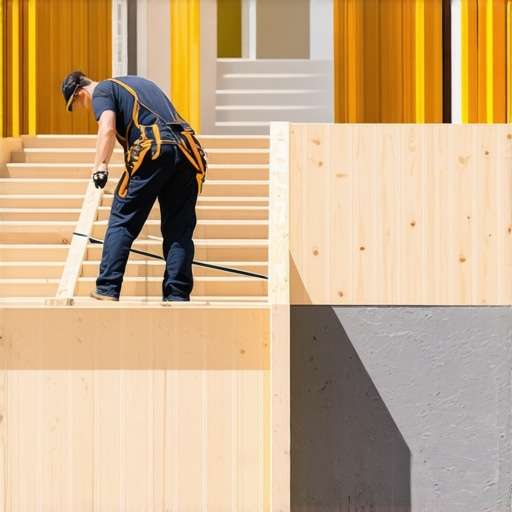
I still remember the day I underestimated the importance of proper stair construction for my first deck. It was a beautiful Saturday, and I was eager to enjoy my new outdoor space. But as friends started using the stairs, I noticed a wobble, a creak, and a sinking step. That moment was a lightbulb for me—sturdy stairs aren’t just about aesthetics, they’re about safety and longevity. Since then, I’ve learned that investing in the right tips and techniques makes all the difference, especially with the rise of durable composite decking materials in 2024.
Why Making Your Deck Last Matters More Than Ever
Decks are more than just a backyard feature—they’re an extension of your home and lifestyle. A well-built deck can boost curb appeal, add functional space for gatherings, and even increase property value. But the harsh outdoor environment, coupled with heavy foot traffic, can quickly degrade inferior materials and shoddy craftsmanship. This is where the latest builder tips come into play, ensuring your stairs and decking remain sturdy and beautiful for years.
In fact, according to a recent study, the average lifespan of a poorly constructed deck is cut short by nearly 50%. That’s a staggering number that underscores the importance of doing it right from the start. A mistake I made early on was choosing cheap fasteners that rusted in just a couple of seasons. Trust me, the small savings aren’t worth the hassle of repairs or potential accidents down the line. Now, I focus on quality, durability, and expert guidance—topics we’ll cover today to help you build a deck that stands the test of time.
Is It Really Worth Investing in Professional Help?
If you’re like me, you might think DIY is the way to go. I did too—until I realized that a professional deck builder can save you money, time, and frustration in the long run. They bring expertise that prevents common pitfalls, like improper support placement or incorrect material selection. To see how working with a pro can elevate your project, check out this article on the benefits of working with a professional deck builder. It’s a game-changer for ensuring safety and quality.
So, if you’ve faced issues like unstable stairs or decks that don’t hold up, know that there are proven strategies that can turn things around. Keep reading—next, I’ll share the top tips I’ve learned for building sturdy stairs and long-lasting composite decks in 2024, backed by industry trends and my own DIY adventures.
Ensure Proper Support for Lasting Stability
Start by laying a solid foundation. I once used a level to check every support post, ensuring they sat perfectly on the ground. Uneven supports can cause wobbly stairs and sagging decks. Use pressure-treated lumber for all support beams, which resist moisture and rot. When installing the stringers, double-check their positioning with a framing square. This prevents uneven steps and guarantees a safe ascent and descent.
Use Quality Fasteners and Connectors
Choosing the right fasteners is like giving your deck a backbone. I learned this the hard way when cheap nails rusted within two seasons, compromising safety. Opt for stainless steel or coated screws and hidden fasteners to prevent rust and maintain aesthetics. Secure each stair tread tightly to avoid movement or squeaks over time. For added strength, use joist hangers and metal brackets, especially at critical joints.
Apply Expert Techniques for Precise Measurements
Measure twice, cut once is a mantra I swear by. When I built my last set of stairs, I used a tape measure and a carpenter’s square to mark every cut. This meticulous approach ensures uniform risers and treads, which is vital for comfort and safety. For stairs, the ideal riser height is around 7-8 inches, and the tread depth should be at least 10 inches. Consistency here prevents tripping hazards and creates a visually pleasing staircase.
Incorporate Modern Materials for Longevity
In 2024, composite decking materials are leading the way. I chose a high-performance composite that resists moisture, mold, and UV damage. When installing, follow manufacturer guidelines precisely—using the correct clips and spacing to allow for expansion. This prevents buckling or warping over time. For stair stringers, composite or aluminum offers durability beyond traditional wood, especially in harsh weather conditions.
Design for Safety and Style
Don’t overlook aesthetics—beautiful stairs can elevate your entire outdoor space. I added LED lighting along the edges of my stairs, which enhances safety at night. When choosing balusters, ensure they’re spaced tightly enough to prevent small children from slipping through. For a modern look, consider open risers or sleek handrails. These details not only improve safety but also boost visual appeal, making your deck a true backyard retreat.
Consult with Professionals When Needed
Even with DIY skills, some aspects benefit from expert input. I reached out to a professional deck builder for my latest project, and it saved me time and potential mistakes. They helped with complex support calculations and ensured code compliance. To explore how a pro can enhance your project, visit this article.
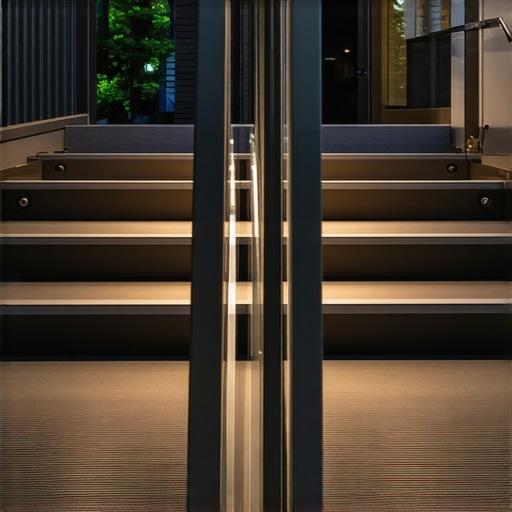
Picture of a well-constructed outdoor staircase with composite treads, stainless steel fasteners, and integrated lighting, showcasing durability and style.
Many homeowners operate under misconceptions that can compromise their deck’s longevity and safety. Let’s dig deeper into some of these myths and clarify the nuances that often get overlooked. One widespread falsehood is the belief that all composite decking offers the same durability. While many assume that choosing any composite material guarantees longevity, the reality is that not all composites are created equal. Industry experts emphasize selecting high-performance composites designed specifically for harsh weather conditions, which can significantly extend your deck’s lifespan. For more insights, check out this detailed guide on composite decking options.
Another common mistake involves underestimating the importance of proper fastening techniques. Many think that using nails is sufficient, but in reality, nails tend to loosen and rust over time, causing instability. Advanced builders prefer stainless steel or coated screws combined with hidden fasteners to ensure a secure, rust-resistant connection. This detail might seem minor but can be the difference between a stable staircase and a dangerous wobble. Avoid the trap of cutting corners here, and consider consulting this expert guide for best fastening practices.
Why Do Some Decks Fail So Quickly Even with Good Materials?
Many assume that choosing quality materials automatically guarantees durability. However, improper installation often undermines even the best products. For example, if support posts aren’t properly anchored or if the framing isn’t level, your deck can develop issues within a few seasons. This is why precise measurements and adherence to building codes are critical. As I learned from experience, working with a professional deck builder can help identify hidden structural flaws before they become costly problems. To see how expert assistance can elevate your project, visit this article on professional deck building.
Maintaining a durable outdoor deck requires more than just quality materials; it hinges on the right tools and consistent upkeep. Over the years, I’ve honed my toolkit, selecting equipment that ensures safety, precision, and longevity. One of my most trusted items is a high-grade cordless impact driver. I prefer models like the Milwaukee M18 Fuel Impact Driver because of its power-to-weight ratio, which makes driving fasteners into composite decking and support beams effortless. This tool minimizes user fatigue and ensures that fasteners sit flush, preventing future squeaks or loosening. Investing in a quality impact driver pays off in the long run by reducing installation errors and speeding up project completion.
Another essential device I rely on is a digital moisture meter. Composite materials are highly resistant to moisture, but improper sealing or installation can trap humidity, leading to warping or mold growth. Using a moisture meter like the Wagner Meters MMC220 allows me to check wood and composite boards before installation, ensuring they’re within safe moisture levels. This proactive step helps prevent costly repairs down the line and maintains the integrity of the structure.
For precision cuts, I recommend a sliding compound miter saw, such as the DeWalt DWS780. Its accuracy and ability to handle wide boards make it invaluable for cut measurements, especially when creating custom stair stringers or fitting support beams. Proper measurements are critical; even a fraction of an inch can affect safety and aesthetics. Regular calibration of your saw is also vital—consider scheduling annual check-ups to keep it performing at peak accuracy.
Beyond hardware, software tools are revolutionizing deck planning and maintenance. I use SketchUp for designing layouts, which allows me to visualize the final structure in 3D. This software helps identify potential issues before construction begins, saving time and materials. Additionally, I utilize Decks.com’s online calculators to determine load capacity and support spacing, ensuring compliance with local building codes. Staying organized with project management apps like Trello keeps track of inspections, maintenance schedules, and future upgrades.
Looking ahead, I predict that automation and smart technology will become standard in deck maintenance. Automated watering systems and moisture sensors integrated with smart home devices can alert homeowners to issues before they escalate. Such innovations will make long-term upkeep easier and more efficient, especially for larger projects or multi-level decks.
How do I keep my deck working over time?
The secret lies in routine inspections and proactive repairs. I recommend checking fasteners, support beams, and surface coatings at least twice a year, ideally in spring and fall. Reapplying sealants or protective coatings annually helps resist UV damage and moisture infiltration. Using a power washer with a gentle setting can remove dirt and mold without damaging composite surfaces, but be cautious to avoid high pressure that might erode the material. For stubborn stains, specialized composite deck cleaners are available—always follow manufacturer instructions.
Finally, don’t underestimate the value of professional help. An experienced deck builder can spot potential weaknesses early and suggest upgrades that might prolong your deck’s lifespan. If you’re considering a major renovation or want to upgrade to smart maintenance solutions, I suggest reaching out to experts through this contact page. Remember, a well-maintained deck is an investment that pays off in safety, beauty, and enjoyment for years to come. So, try incorporating a moisture meter into your routine or upgrading to a high-quality impact driver—small steps that make a big difference in the longevity of your outdoor oasis.
The Hardest Lesson I Learned About Outdoor Decks
One of my biggest mistakes early on was rushing the support post installation without proper leveling. It taught me that even small oversights in foundation work can cause long-term wobbling and structural issues. Now, I always double-check each support with a level and a square, understanding that precision upfront prevents costly repairs later.
Another lesson was the importance of high-quality fasteners. I initially used nails, which rusted quickly and compromised safety. Switching to stainless steel screws and hidden fasteners made my deck more durable and visually appealing, proving that investing in good hardware is essential for longevity.
Finally, I underestimated the power of detailed measurements. Carefully planning stair riser heights and tread depths ensures safety and comfort. My experience taught me that patience and accuracy in measurements save a lot of headaches and make the project much more enjoyable.
My Essential Toolkit for Outdoor Decking
Over time, I’ve come to rely on a few key tools that make building and maintaining my deck much easier. A high-grade cordless impact driver like the Milwaukee M18 Fuel is my go-to for fastening composite decking and support beams efficiently. It reduces user fatigue and increases precision, which is vital for long-lasting results.
The Wagner Meters MMC220 moisture meter is another indispensable tool. It helps me verify that wood and composite boards are at safe moisture levels before installation, preventing warping and mold issues down the line. Accurate measurements now mean fewer repairs in the future.
For cuts, my favorite is the DeWalt DWS780 sliding miter saw. Its precision and ability to handle wide boards save me time and ensure perfect fits. Regular calibration keeps it reliable, and I recommend it to anyone serious about quality craftsmanship.
Let’s Build Together
If you’re ready to take your outdoor space to the next level, remember that building a durable, stylish deck is within reach—especially with expert help when needed. Proper support, quality fasteners, and precise measurements are your best allies in creating a safe, beautiful retreat. Don’t hesitate to explore professional guidance through this resource on working with pros to ensure your project exceeds expectations. Your dream outdoor space is just a few smart steps away—start today!