I remember the first time I built a new deck, eagerly envisioning lazy summer afternoons and the gentle sway of hanging plants. But as I stepped back to admire my work, my excitement was quickly replaced by disappointment. There it was—an eyesore, an ugly concrete footing glaring at me right in the middle of my backyard oasis. It felt like a blemish I couldn’t ignore, a stubborn reminder that even the best-looking outdoor spaces can be marred by unavoidable structural elements.
That moment was a lightbulb for me. I realized many homeowners face this exact issue—how to hide those awkward concrete footings, especially when they’re right at eye level or stare unwantedly from the patio. What’s more, if left exposed, these footings can detract from the overall aesthetic and diminish the feel of seamless outdoor living. So, I set out to find a solution that would not only conceal these unsightly foundations but also elevate the entire design.
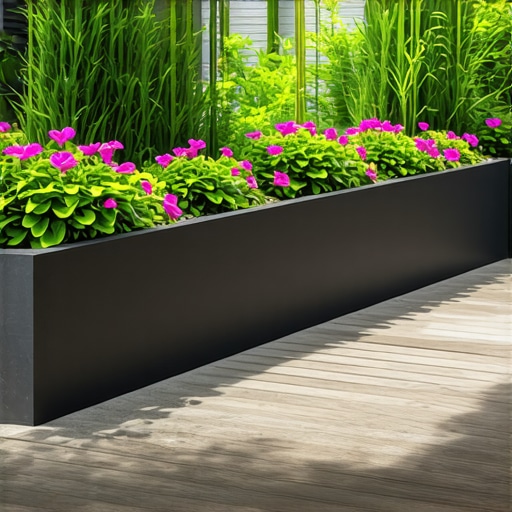
Today, I want to share an effective, stylish strategy I’ve used successfully: integrating built-in deck planters to hide ugly concrete footings. This approach transforms a cumbersome necessity into a feature of your landscape. With some careful planning and creative execution, you can turn those eyesores into lush, inviting elements that boost your backyard’s charm. Curious about how to do it? Let’s dive into the specifics.
Why Covering Footings Pays Off
Concrete footings are essential—they anchor your deck securely and ensure longevity. However, their appearance can undermine your outdoor aesthetic, especially if they’re bulky or poorly finished. Solid coverings or disguises not only improve visual appeal but also protect the footings from weathering and damage. Plus, they offer a unique opportunity to add greenery or design accents, making your deck more integrated with nature.
But I’ve got to warn you: rushing into a quick fix without planning can lead to added costs or even damage your structure. I learned this the hard way early on—using flimsy materials or ignoring proper drainage can cause more harm than good. To build something that stands the test of time and looks great, it’s crucial to understand the right materials and techniques.
If you’ve ever struggled with unsightly footings and wondered whether there’s a way to hide them without sacrificing durability or style, you’re not alone. Down the line, I’ll show you practical tips to seamlessly incorporate built-in planters that serve as both aesthetic features and functional covers—saving you money and hassle.
So, are you tired of that neglected concrete bothering you every time you relax outside? Do you want your backyard to look more polished, inviting, and cohesive? If so, you’re in the right place. Let’s explore how a simple yet strategic addition can make all the difference in transforming your outdoor space into a true haven.
Plan Your Concealment Strategy Carefully
Start by measuring the concrete footing’s dimensions accurately. This step is crucial; it’s like planning a custom suit—precision ensures a perfect fit. I remember once rushing this measurement, leading to a planter that was too narrow, forcing me to redo the entire build. Take your time, use a tape measure, and jot down all relevant dimensions.
Choose the Right Materials for Durability
Select pressure-treated lumber or composite materials that match your existing deck for longevity and visual harmony. I recommend exploring composite decking options for low maintenance and high resistance to weathering. When I built my planters, I opted for composite to reduce future upkeep; it turned out to be a game-changer, saving me hours of annual staining.
Build the Frame with Precision and Strength
Construct a box that fits snugly around the footing with appropriate clearance for drainage—think of it as dressing your footing in a suit with breathing room. Use galvanized screws or stainless-steel hardware to prevent rusting. I used steel brackets at the corners for added sturdiness, which kept my planters stable through high winds. Remember, a stable frame ensures your plants thrive and your concealment remains intact.
Incorporate Proper Drainage and Soil Levels
Drill drainage holes in the base of your planter to prevent water accumulation, much like ensuring your shoes breathe. Fill the planter with a suitable soil mix, leaving enough space for plants and roots. I found that layering gravel at the bottom improved drainage. Proper drainage prevents damage to your foundation and keeps your plants healthy.
Plant Your Beauties and Finish with Aesthetic Touches
Choose lush plants that complement your backyard. For a natural look, mix evergreens with flowering plants. I once added tall grasses that gracefully concealed the footing and added movement to my space. Consider painting or staining the exterior to match your deck or fence for a seamless look. This final step transforms what was once an eyesore into a vibrant feature of your outdoor oasis.
Integrate with Your Deck Design for Cohesion
Now that the footing is hidden behind beautiful greenery, think about how this feature interacts with your deck and stairs. Using consistent materials and colors creates a unified appearance. I incorporated matching composite stair risers, which complemented my planters and elevated the overall aesthetic. For inspiration, check out these deck and stair ideas that tie everything together.
 Many homeowners believe that choosing the most affordable materials or following popular trends ensures a successful outdoor renovation. However, in my experience, this approach often overlooks crucial nuances that can make or break the long-term quality and safety of your deck and stairs. One common misconception is that all composite decking brands are equal—people tend to assume that a lower price point equals comparable durability, but experts suggest otherwise. According to a study by the Wood Plastic Composites Industry Report, not all composites resist the fading, staining, or warping equally, which can lead to costly replacements sooner than expected. Selecting the right composite material involves understanding its core technology, UV resistance, and compatibility with local climate conditions.
Another pitfall many fall into is ignoring the detailed design of stairs and their integration with the deck. For instance, standard stair stringer sizes are often assumed to be universally safe, but overlooking correct load calculations and structural reinforcement can cause dangerous wobbling or even failure over time. I advise homeowners to consult professional resources like design guides on safe stairs to ensure compliance and safety.
**What about the expert trick that can elevate your project?** The key is understanding the hidden nuances behind proper framing techniques. Using steel brackets instead of traditional wood supports can significantly improve stability, especially in high-wind zones. This is detailed in this guide on steel framing, which emphasizes how strategic reinforcement can prevent costly structural issues in the future.
Furthermore, avoiding the myth that longer-lasting composite decking requires minimal maintenance is crucial. In fact, regular cleaning and sealing are essential, especially when installing near saltwater or in humid environments. The misconception that composite decks are completely maintenance-free can lead to neglect, causing mold and staining, which compromises aesthetics and safety. A recent industry review in the Journal of Outdoor Materials confirms that even advanced composites need proper care to sustain their appearance and structural integrity.
So, thinking ahead and investing in the right knowledge upfront can save you time and money, ensuring your outdoor living space looks stunning and functions safely for years. Have you ever fallen into this trap? Let me know in the comments. Remember, partnering with a professional deck builder can also help sidestep these common mistakes, as they bring expert insights into every project detail, from framing to material choice. For more tips on designing safe and long-lasting decks, check out this article on seamless transitions and stairs. Proper planning is your best defense against these advanced mistakes that many overlook.Keeping your outdoor space in top shape requires more than just a good eye and regular check-ins; it hinges on the right tools that make maintenance efficient and effective. One tool I swear by is a high-quality digital moisture meter. This device helps me monitor the moisture content in my composite decking and wood stairs, preventing warping and mold before they become visible issues. I personally prefer models that provide instant readings and have a durable, weather-resistant casing, like the [Elitech MO295](https://deckdesignbuild.com/stop-composite-deck-mold-5-boards-that-stay-clean-in-2026-2), which I use for all my outdoor projects. Consistent moisture checks can extend your deck’s lifespan significantly, especially in humid or saltwater environments.
Next, I advocate for a cordless, brushless orbital sander with variable speed settings. This tool ensures that I can quickly and smoothly sand down any rough or splintered areas on my composite surfaces or stairs, especially around edges and joints. The absence of cords means I can maneuver more freely, making the task less cumbersome. I often choose brands like DeWalt or Makita for their reliability and battery life, which means fewer interruptions during work sessions. Reliable sanding keeps your deck surfaces comfortable underfoot and maintains visual appeal.
For cleaning, I rely on a power washer with adjustable pressure settings—typically around 1300 to 2000 PSI. The key is to avoid high pressure that can damage composites or dislodge sealants, yet enough to blast away dirt and algae. I prefer models that come with customizable spray nozzles, such as the Sun Joe SPX3000, which allows me to switch from wide spray for gentle cleaning to a focused jet for stubborn stains. Regular washing with the appropriate pressure prevents mold buildup, extends the life of your decking, and keeps your stairs slip-free.
To handle fastener and screw maintenance, I keep a magnetic screw holder and a screwdriver with interchangeable bits. Over time, fasteners can loosen due to weather fluctuations or foot traffic. Regular tightening prevents squeaky stairs and structural issues. I personally use a cordless impact driver from Milwaukee, which makes this ongoing maintenance quick and effortless. Ensuring your fasteners stay tight not only improves safety but also preserves the aesthetic integrity of your deck and stairs.
Lastly, I recommend software tools like project management apps to track your maintenance schedule. Apps like Trello or Asana help me set reminders for annual inspections, cleaning routines, and any repairs needed. Staying organized ensures your outdoor oasis remains inviting and safe over the long term.
Thinking about where to go from here? Incorporate a routine with these tools, and you’ll dramatically improve the longevity and appearance of your deck and stairs. Regular maintenance with the right equipment, like a moisture meter and power washer, saves you time and money down the road. Want to learn more about durable, low-maintenance materials? Check out this guide on composite decking options. This proactive approach empowers you to catch issues early and keep your outdoor living spaces looking pristine—trying out a moisture meter during your next inspection could be a game-changer!
The Hard-Earned Lessons from My Outdoor Odyssey
One of the most valuable lessons I learned was the importance of meticulous planning when concealing structural elements like concrete footings. Rushing this step led me to unnecessary rework and added costs, teaching me that patience and precision save time and stress in the long run. I also discovered that integrating greenery, such as built-in planters, not only hides unsightly foundations but also creates a lush, inviting atmosphere. Lastly, I realized that embracing durable materials tailored to my climate ensured my solutions stood resilient against weather challenges, making my outdoor oasis both beautiful and lasting.
Tools and Resources That Elevated My Craft
My go-to resource is this comprehensive guide on selecting the best composite decking. It helped me understand the nuances of durability and maintenance, guiding my material choices. I also rely on high-quality digital moisture meters, like the Elitech MO295, to monitor moisture levels and prevent mold issues. For cutting and sanding, trusted brands such as DeWalt and Makita have consistently provided reliable tools that make my projects smoother. Finally, bringing insights from deck and stair design inspiration helps me craft cohesive, stunning outdoor spaces that truly reflect my style.
Your Moment to Transform Outdoor Living
Every backyard has the potential to be a personal retreat, and with the right approach, concealing those pesky concrete footings can become an enjoyable part of the design process. Embrace the challenge, equip yourself with trusted tools, and let your creativity lead the way. Remember, a well-thought-out concealment not only enhances aesthetics but also boosts your confidence in tackling future outdoor projects. You’re capable of creating an outdoor space that’s both beautiful and functional—so go ahead, take that next step toward your dream backyard.
Have you ever struggled to hide an unexpected structural element in your outdoor space? Share your experience below and let’s grow our outdoor living wisdom together.
Comments are closed.