
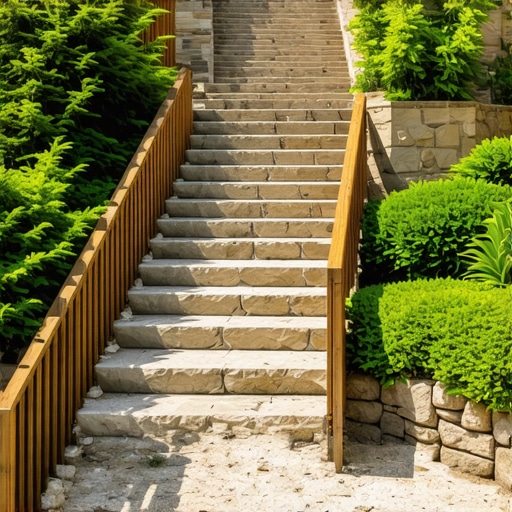
I remember the first time I built outdoor stairs without real expertise — a weekend project that turned into a nightmare. Wood warping, loose steps, and constant maintenance. It was a lightbulb moment: I was rushing, neglecting proper materials and techniques, and paying the price. Since then, I’ve learned that durable, beautiful outdoor stairs are no accident; they’re the result of strategic planning and expert craftsmanship.
Why Your Outdoor Stairs Need More Than Just Good Looks
Outdoor stairs aren’t just functional—they’re a key part of your outdoor living experience. When built right, they connect your space smoothly, add style, and stand up to the weather for years. But a poor design or inferior materials can turn them into a safety hazard or eyesore. That’s why understanding expert deck building strategies is essential. Properly crafted stairs improve safety, enhance aesthetics, and boost your home’s value. Trust me, investing in the right approach saves you money and frustration in the long run.
Have you ever faced the frustration of replacing or repairing outdoor stairs every few years? You’re not alone. I’ve been there, and I know how discouraging it can be to see your beautiful backyard turn into a maintenance nightmare. But here’s the good news: with the right planning and materials, you can create stairs that last decades.
Early on, I made the mistake of choosing cheap composite materials without considering their long-term durability or how they would handle weather fluctuations. That mistake cost me more time and money. Now, I always recommend using high-quality materials combined with expert techniques. For example, proper drainage, sturdy framing, and the right fasteners are crucial. If you want to transform your outdoor space into a durable, stylish haven, it’s worth investing in professional guidance. For detailed insights, check out creating seamless transitions in outdoor living.
Plan Your Foundation Meticulously
The first step in creating outdoor stairs that last is establishing a solid foundation. Think of it like building a ship: if the hull isn’t sturdy, everything else will falter. Start by excavating the area to ensure proper drainage and prevent water pooling, which can accelerate wood warping or concrete cracking. Use crushed gravel as a base layer; this acts like a shock absorber, distributing weight evenly and preventing settling. When I built a set of stairs last summer, I spent extra time leveling and compacting the gravel, which paid off by keeping my steps stable even after heavy rains.
Use High-Quality Materials from the Start
Choosing the right materials is like selecting the best ingredients for a recipe. I once opted for cheap, pressure-treated lumber, only to find it warped within two seasons. Now, I always go for composite decking or hardwoods like ipe or mahogany—they might cost more upfront, but they’re worth it for longevity. For framing, galvanized steel or stainless steel fasteners prevent rust and corrosion, which are common issues in outdoor environments. Remember, a well-built frame with quality fasteners is the backbone of durable stairs. Check out choosing the right composite decking for more options.
Implement Proper Drainage to Prevent Damage
Water is the silent enemy of outdoor structures. To keep your stairs standing tall, incorporate a slight slope on the tread surfaces—about 1/8 inch per foot—to direct water away. Installing drain channels or small weep holes at strategic points can also help. I once neglected drainage planning on a project, which caused water to sit and freeze, cracking the concrete. After that experience, I always include a drainage plan in my blueprint. Proper drainage not only extends the life of your stairs but also keeps them safe during icy seasons.
Choose the Right Fasteners and Hardware
Fasteners are the unsung heroes of outdoor construction. Using stainless steel or coated fasteners prevents rust, which can weaken connections over time. When I assembled my stairs, I used galvanized screws, which stayed rust-free after two harsh winters. Additionally, ensure all hardware is rated for outdoor use, especially in humid or salty environments. Remember, even the strongest wood or concrete can fail if fasteners degrade. For detailed hardware options, see expert deck-building tips.
Secure and Support with Reinforced Framing
Sturdy framing is vital for safety and longevity. Use double stringers on wide stairs to distribute weight evenly and prevent sagging. I learned this the hard way when I built a large set of stairs with a single stringer in the middle; it bowed under weight. Reinforcing with blocking between stringers adds stability, especially in high-traffic areas. For a sleek look, consider hidden fasteners that won’t catch on shoes or cause tripping. Proper framing acts like the skeleton of your outdoor stairs—if it’s weak, everything else collapses.
Finish with Sealants and Protective Coatings
Applying a high-quality sealant or stain creates a barrier against moisture, UV rays, and temperature fluctuations. I always apply at least two coats after installation and reapply every couple of years. For composite decks, follow the manufacturer’s recommendations for cleaning and sealing. This layer of protection preserves the appearance and prevents premature deterioration. It’s like putting sunscreen on your outdoor furniture—essential for long-term beauty and durability.
Optimize for Safety and Style
Finally, pay attention to the details: uniform riser heights, slip-resistant treads, and adequate lighting. These elements make your stairs not just durable but also safe and inviting. When I upgraded my backyard stairs, adding LED strip lighting underneath the handrails made a huge difference, blending safety with style. For inspiring ideas, explore top stair design tips.
Many DIY enthusiasts and even some professionals often fall for myths that can compromise the durability and safety of outdoor stairs. Let’s dig deeper into some of these misconceptions and reveal the hidden nuances that can make or break your project.
Myth of Cost-Effective Materials Being Sufficient
It’s a widespread belief that choosing cheaper materials like pressure-treated lumber is enough to build durable outdoor stairs. However, this is a trap that can lead to frequent repairs and replacements. High-quality materials such as composite decking or hardwoods like ipe or mahogany offer superior longevity and resistance to weather, UV rays, and pests. Investing in better materials upfront actually saves you money over time and ensures your stairs remain both functional and attractive. For more insights, see choosing the right composite decking.
Ignoring Proper Drainage Is a Fatal Flaw
Many people overlook the importance of drainage when building outdoor stairs, assuming that the structure’s materials alone will suffice. The truth is, water management is critical for preserving the integrity of your stairs. Without a slight slope on treads and strategic drainage solutions like weep holes or channels, water can pool, freeze, and cause cracking or rot. Proper drainage extends the lifespan of your stairs significantly. Remember, water is the silent enemy of outdoor structures. When in doubt, consult expert tips on seamless outdoor transitions.
What advanced considerations should I keep in mind for professional-grade outdoor stairs?
Beyond the basics, advanced builders focus on reinforced framing with double stringers for wider stairs, concealed fasteners for safety and aesthetics, and applying protective sealants regularly. Additionally, integrating lighting for safety and visual appeal can transform your outdoor space into a stylish yet secure environment. These details prevent common issues like sagging, tripping hazards, and premature deterioration. For comprehensive strategies, explore expert deck-building strategies.
Another often overlooked nuance is the importance of fastening hardware. Using stainless steel or galvanized fasteners prevents rust, which can weaken the structure over time, especially in salty or humid environments. Reinforcing with blocking between stringers further enhances stability, particularly in high-traffic areas. Don’t underestimate the power of small details—they are what separate a good build from a great one.
Have you ever fallen into this trap? Let me know in the comments. Remember, building outdoor stairs is both an art and a science; understanding these nuances ensures your project endures for decades, providing safety and style for your outdoor living space.
How do I keep my outdoor stairs working smoothly over time?
Maintaining outdoor stairs requires a combination of regular inspections, proper cleaning, and timely repairs. I personally recommend setting a seasonal schedule to examine your stairs for loose fasteners, wood rot, or cracks. Use a simple but effective tool like a digital moisture meter to assess wood health—this helps prevent unseen deterioration from causing safety hazards. Cleaning debris and clearing drainage channels every few months ensures water doesn’t pool or freeze, which can lead to structural damage. Applying a high-quality sealant annually forms a protective barrier against weather elements, extending the life of your stairs. Investing in these routine maintenance practices keeps your outdoor stairs safe, attractive, and functional for decades.
For more advanced upkeep, consider installing a weatherproof lighting system, which not only enhances safety but also makes routine inspections easier at night. As trends evolve, smart sensors that monitor structural integrity are gaining popularity; these can alert you to issues like shifting or excessive moisture, allowing for proactive maintenance. Looking ahead, integrating IoT technology into outdoor structures might become standard, making maintenance even more efficient and predictive.
Tools I recommend for durable outdoor stairs
Over the years, I’ve found that having the right tools makes all the difference in both building and maintaining outdoor stairs. First, a cordless impact driver equipped with a variety of screwdriver bits speeds up fastener installation and repairs. I prefer models with brushless motors for longevity and power efficiency—my go-to is the Makita XDT16, which handles tough fasteners with ease. For measuring and alignment, a laser level is indispensable—perfect for ensuring stairs are even and safe. I use the Bosch GLL 3-80, which provides precise, horizontal, and vertical lines, making it easier to spot unevenness early.
To assess moisture content within wood, I rely on a digital moisture meter like the Lignomitt, which provides instant readings. This helps me decide when wood needs additional sealing or replacement. For cleaning, a pressure washer with adjustable nozzles is excellent for removing dirt and mold without damaging the material. I also keep a set of stainless steel fasteners and weatherproof sealants handy—I prefer brands rated for outdoor use, such as Simpson Strong-Tie fasteners, for their durability and rust resistance. These tools, combined with proper techniques, ensure your outdoor stairs remain safe and attractive over the years.
Looking to future-proof your project? Consider exploring IoT sensors and smart maintenance systems that can monitor structural health in real-time, alerting you to issues before they become critical. This proactive approach is the next evolution in outdoor living care and can save you significant time and expense in the long run. For expert insights and professional guidance, check out the benefits of working with a professional deck builder.
Try incorporating a moisture meter into your annual maintenance routine and see how it helps catch problems early. Investing in quality tools and smart technology today will pay off with years of safe, beautiful outdoor space tomorrow.
Lessons from the Trenches That Can Save Your Project
- One of the hardest lessons I learned was the importance of precise drainage planning. Neglecting a slight slope or proper water exit points can lead to water pooling, which causes rot, cracking, and safety hazards. A small investment in drainage features can save you costly repairs later.
- Choosing high-quality materials might seem expensive initially, but I found that composite decking or tropical hardwoods like ipe offer decades of trouble-free use. Skimping on materials often results in more frequent replacements and frustration.
- Fasteners are often overlooked, but rust-proof stainless steel or galvanized hardware is essential. I once used cheap fasteners, and within a few years, rust compromised the entire structure. Quality fasteners are a small detail that makes a huge difference.
- Reinforcing wide stairs with double stringers and blocking between them has prevented sagging in my projects. It’s a step that pays off in safety and longevity, especially in high-traffic outdoor areas.
- Regular maintenance, including sealing and inspections, keeps stairs looking great and functioning safely. I schedule seasonal checks for loose fasteners and signs of wear, which helps catch problems early before they escalate.
Tools and Resources That Transformed My Approach
- Impact driver with brushless motor—my go-to for fast, reliable fastening. I swear by models like Makita XDT16 for their power and durability.
- Laser level—precision is everything. The Bosch GLL 3-80 helps me ensure even risers and consistent steps, avoiding trips and falls.
- Digital moisture meter—keeping wood dry is crucial. I use the Lignomitt to monitor moisture content and decide when to reseal or replace.
- Pressure washer—cleaning and prep are easier with adjustable nozzles. It keeps my stairs free of mold, dirt, and debris.
- Professional guides and blogs—like creating seamless transitions in outdoor living, which offers insights into integrating stairs seamlessly into your landscape.
Take Action and Build with Confidence
Building outdoor stairs that last is both an art and a science. With the right materials, meticulous planning, and attention to detail, you can create a stunning and durable feature that elevates your outdoor living space for decades. Don’t shy away from investing in quality and expert advice—your future self will thank you for it.
What’s your biggest challenge when it comes to outdoor stairs? Share your experiences below—I’d love to hear your story and help you troubleshoot!