
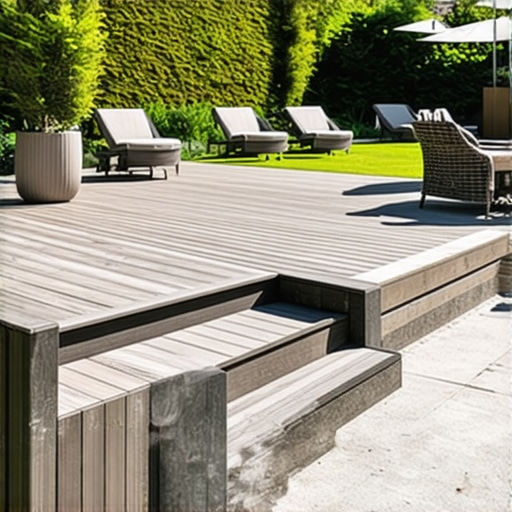
Have you ever spent hours planning your backyard retreat, only to find the deck and stairs you installed last summer are already showing signs of wear and tear? I sure did. I remember the frustration of constant maintenance, cracking, and fading that turned my outdoor paradise into a constant project. That lightbulb moment led me down the path of discovering durable, low-maintenance solutions that truly transform outdoor living. Today, I want to share how choosing the right composite decking and stairs can save you time, money, and a lot of headaches.
Why Your Outdoor Living Space Deserves Better
In my early days of DIY deck projects, I fell for the hype of traditional wood — thinking it looked great and was affordable. But reality hit fast. Wood requires regular sealing, staining, and repairs. Plus, it’s prone to rot, insect damage, and warping. I learned the hard way that investing in high-quality composite decks and stairs isn’t just about aesthetics; it’s about durability and peace of mind. According to a recent industry report, composite decking now accounts for over 40% of new deck installations in the U.S., and for good reason: it’s designed to withstand the elements and keep looking good for years.
Are Composite Decks Actually Worth the Hype?
Early on, I made the mistake of choosing a budget composite option without checking reviews or understanding its long-term performance. The result? Discoloration and loose boards within a couple of seasons. That experience taught me that not all composite decking is created equal. It’s essential to pick products with proven durability and low-maintenance features. For a detailed look at choosing the right composite decking, check out this guide. In the upcoming sections, I’ll walk you through the practical steps to making your outdoor space both beautiful and resilient, starting with selecting the right materials and designing safe, stylish stairs that complement your deck.
Choose the Right Materials for Your Outdoor Project
My first attempt at installing composite stairs was a mess. I selected a popular brand based on price alone, but it quickly faded and warped after a single season. To avoid that mistake, I learned to prioritize proven durability features like UV resistance and low-maintenance coatings. For detailed guidance on selecting the best composite decking, check out this comprehensive guide. Picking high-quality materials is the foundation for long-lasting outdoor stairs and decks.
Design Your Stairs with Safety and Style in Mind
Measure Accurately and Plan Your Layout
Start by measuring the height from your deck to the ground accurately. Use a level and a tape measure, just as I did when I built my first set of stairs. I remember sketching multiple layouts on scrap paper, testing different step counts until I found a comfortable rise and run. This step ensures your stairs are safe and visually appealing. For inspiration on top stairs designs, visit this article.
Select the Appropriate Stringers and Treads
Opt for sturdy, treated wood or composite stringers that support your steps securely. I replaced my first wooden stringers with composite ones, which are resistant to rot and insect damage. Place your treads securely on the stringers, ensuring they overhang slightly for aesthetic appeal. Use a level to check each step before fastening. For detailed tips on creating seamless transitions with stairs, see this guide.
Build with Precision and Care
Secure the Stringers and Treads Properly
Attach the stringers to your deck support structure using corrosion-resistant hardware. I used galvanized brackets and lag bolts, which I tightened with a wrench. Then, secure the treads to the stringers with hidden fasteners or screws, depending on your aesthetic preference. Double-check each step for levelness and stability. Remember, tight connections prevent wobbling and increase longevity. For expert advice on durable stairs, visit this resource.
Finish with a Protective Coating
Applying a weatherproof sealant or stain designed for composite and wood surfaces helps preserve your stairs. I applied a clear, low-VOC sealer after installation, which enhanced the color and provided extra protection. Regular maintenance, like cleaning with soap and water, keeps your stairs looking new. For more tips on maintaining composite decks and stairs, see this article.
Final Checks and Enjoyment
Once everything is assembled, walk up and down your stairs carefully to test stability. I found that tightening bolts after a week of use prevented any loosening. With proper planning, quality materials, and careful execution, your outdoor stairs will be both stunning and durable. Remember, if you prefer professional help, a seasoned deck builder can elevate your project, ensuring quality from start to finish. Learn more at this page.
Many outdoor enthusiasts and DIYers believe that choosing the right materials is enough to ensure long-lasting stairs. However, even with premium composite decking, there are nuanced pitfalls that can compromise your project’s durability and safety. Let’s dig deeper into some misconceptions and advanced mistakes that can trip up even experienced builders.
Why Cutting Corners Can Cost You Big Time
One prevalent myth is that all composite materials are created equal. While the industry has made significant strides in durability, not all products withstand UV exposure, temperature fluctuations, and moisture equally. For instance, some cheaper composites may look good initially but degrade rapidly, leading to discoloration, warping, or loose fasteners. Rushing the selection process and opting solely for price can result in costly repairs down the line. Remember, investing in high-quality, UV-resistant, low-maintenance composites from trusted brands is worth the extra effort. For guidance on this, check out this detailed guide.
The Hidden Danger of Improper Measurements and Layout
While it might seem obvious, many overlook the importance of precise measurements, especially when planning complex staircases. An advanced mistake is failing to account for local building codes and safety standards, which specify riser heights and tread depths. Ignoring these standards not only risks your safety but can also lead to costly modifications later. Use a high-quality level and a tape measure, and double-check every dimension. Proper planning ensures your stairs are both safe and visually aligned with your deck. For more on designing compliant stairs, explore this resource.
Are You Overlooking the Importance of Structural Support?
Building durable stairs isn’t just about the treads and stringers; the support structure beneath is crucial. Many assume that standard framing suffices, but advanced builders know that improper anchoring or using low-grade hardware can cause wobbling and premature failure. Galvanized or stainless steel brackets and lag bolts are essential for secure attachment, especially in high-traffic or exposed environments. Additionally, ensuring proper footing and drainage prevents water accumulation that can accelerate rot or warping. For expert installation tips, see this comprehensive guide.
Finally, don’t underestimate the value of finishing touches like weatherproof sealants and regular maintenance. These small steps extend your stairs’ lifespan significantly. Have you ever fallen into this trap? Let me know in the comments!
Keeping Your Outdoor Spaces in Top Shape with the Right Tools
Maintaining a durable outdoor deck or staircase isn’t just about regular cleaning; it requires precision tools that make the job easier and more effective. Personally, I rely on a few key pieces of equipment that have proven invaluable in my projects. First, a high-quality power washer is essential. I use a model with adjustable pressure settings and a rotating nozzle to remove dirt, algae, and grime without damaging the composite surfaces. This helps keep the materials looking new and extends their lifespan.
Next, I swear by cordless oscillating multi-tools for detailed work around railings, edges, and tight corners. They are versatile and allow for precision sanding or trimming, especially when handling composite materials that can be sensitive to rough handling. For instance, when replacing worn fasteners or adjusting stair treads, these tools provide control and efficiency.
A digital moisture meter is a game-changer. It helps me determine when it’s safe to apply sealants or stains, preventing issues like trapping moisture beneath coatings. Proper timing ensures that maintenance is effective and longevity is maximized.
For cleaning, I prefer biodegradable, low-VOC cleaning solutions that are gentle on the environment and the materials but tough on dirt. Using a soft-bristle brush or a microfiber cloth with these cleaners prevents scratching the surface of composite decking or stairs.
Lastly, investing in quality fasteners and hardware is vital. I always choose stainless steel or galvanized screws and brackets, which resist corrosion and ensure stability over time. Remember, the hardware you choose directly impacts the durability of your construction, especially in outdoor conditions.
What about long-term maintenance tools?
Looking ahead, I predict that smart technology will play a bigger role in outdoor maintenance. Devices like automated weather stations can send alerts about rain or UV exposure, reminding you when to clean or reseal your decks. Additionally, advanced coatings with self-healing properties are on the horizon, reducing the need for frequent touch-ups.
To keep your outdoor stairs and decks functioning beautifully over the years, establish a regular maintenance routine. Schedule biannual inspections, clean surfaces thoroughly, and reapply protective coatings as needed. Using the right tools makes this process more manageable and less time-consuming. For more detailed guidance on maintaining your composite decks and stairs, check out this article.
I encourage you to try out a high-quality power washer and moisture meter for your next maintenance session. These tools will help you spot potential issues early and keep your outdoor spaces looking their best for years to come. Remember, staying proactive with the right equipment is key to the long-term success of your outdoor project.
In my journey of creating outdoor spaces, I realized that the real secret to stunning, long-lasting stairs lies beyond just choosing the right materials. It’s about learning from my mistakes, understanding the nuances of design, and embracing tools that make maintenance easier. I’ve uncovered some invaluable lessons that can help you avoid common pitfalls and craft stairs that are both beautiful and resilient.
The Hardest Lesson I Learned About Outdoor Stairs
One of my biggest revelations was that rushing the measurement process can lead to uneven, unsafe stairs. I once skipped double-checking my riser heights, only to discover that my stairs were wobbly and uncomfortable to use. Now, I always take extra time to measure carefully, ensuring compliance with local building codes. This attention to detail saves time and money in the long run, and it guarantees safety for everyone.
3 Myths About Composite Decking That Held Me Back
I used to believe that all composite decking was maintenance-free and foolproof. Turns out, not all products are equal. Some fade quickly or warp under intense sun, which I learned the hard way. The truth is, investing in high-quality, UV-resistant composites makes a huge difference. For a detailed comparison, I recommend checking this guide.
What Experts Won’t Tell You About Structural Support
Many overlook the importance of sturdy framing and corrosion-resistant hardware. I once used cheap brackets, and my stairs started wobbling after just a season. Upgrading to galvanized steel brackets and ensuring proper footing has transformed my outdoor stairs into a safe, durable feature. Proper support is the backbone of any successful outdoor stair project. Learn more about expert strategies here.
Curated Recommendations for Building Better Stairs
My Essential Toolkit for Outdoor Stairs includes a high-quality power washer for maintenance, a digital moisture meter to monitor when to reseal, and a cordless oscillating multi-tool for detailed work. I trust these tools because they save me time and help maintain the integrity of my outdoor spaces. For more suggestions, explore this article.
Your Turn to Try and Transform Your Space
Building durable, stylish outdoor stairs is an achievable goal with the right approach. Remember, patience, precision, and quality materials are your best allies. Don’t wait to start creating an outdoor space that invites family and friends to enjoy the beauty of durable, low-maintenance stairs. If you’re eager to elevate your project, consider consulting a professional deck builder for expert guidance. Discover more about how they can help here.
What has been your biggest challenge in building outdoor stairs? Share your experiences in the comments below!
Reading this post really resonates with my experience, especially the point about measuring accurately before building stairs. I once rushed through my measurements and ended up with uneven risers that made my steps uncomfortable and unsafe. Since then, I’ve learned how crucial it is to double-check all dimensions and make sure they comply with local building codes. It’s interesting how such small details can have a huge impact on safety and durability—and ultimately, the satisfaction of your outdoor project. I’ve also found that investing in high-quality, UV-resistant composite materials pays off in the long run, as they maintain their appearance and strength despite exposure to the elements. For anyone planning a deck or stairs, would you recommend any particular tools or techniques for ensuring flawless measurements? I’d love to hear tips from others who’ve been through the process.
This post really highlights the importance of investing in quality materials and proper planning for outdoor stairs. I’ve also learned the hard way that shortcuts in measurements or hardware can lead to long-term issues, like wobbling or early deterioration. The tip about using galvanized or stainless steel support hardware is crucial—I’ve seen how corrosion can undermine even the best deck support structures over time. One thing I’d add from my experience is the value of planning for drainage around stair footings; water accumulation can accelerate rot even with composite materials. Have any readers tried integrating smart sensors or self-healing coatings to maintain their stairs? It seems like modern tech might make maintenance even easier in the future, and I’d love to hear real-world experiences or suggestions on that. Overall, patience and attention to detail truly pay off in creating a safe, durable outdoor space.