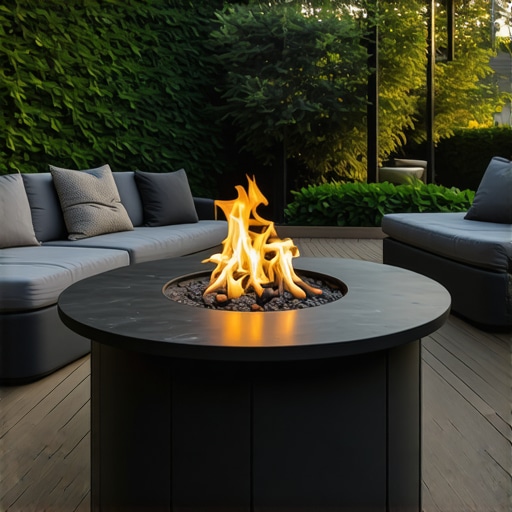
I remember the moment clearly—standing on my deck, flames flickering brightly in the fire pit, when I realized I’d overlooked a crucial detail during my construction. The smoke was drifting right into my patio furniture, and every time I added more wood, I worried about safety and permanence. That lightbulb moment made me question: How can I integrate a fire pit into my deck without turning it into a smoky, unsafe mess?
Why Proper Integration of a Fire Pit Matters
Adding a fire pit to your outdoor space isn’t just about creating ambiance; it’s about ensuring safety, durability, and beauty. A poorly integrated fire feature can lead to smoke damage, safety hazards, and even damage to your deck over time. From my own experience, inadequate planning early on can turn an inviting fire spot into a problematic nightmare. Luckily, I learned some key strategies that transformed my deck into a cozy, safe oasis.
Is a Fire Pit Really Worth the Hype?
Many folks are tempted by the charm, but skeptics often worry about safety, maintenance, and whether it’s worth the effort. I admit, I was hesitant at first, especially after making the mistake of setting my fire pit too close to flammable materials. That mistake taught me that proximity matters more than I thought. For instance, I once placed my fire pit against a wooden railing, which I later discovered was a recipe for disaster. A professional deck builder can help you avoid such pitfalls and suggest the best placement for durability and safety, more details of which you can explore in our [deck builder insights](https://deckdesignbuild.com/deck-builder-insights-designing-your-dream-outdoor-space).
Integrating a fire pit requires a combination of thoughtful placement, appropriate materials, and proper ventilation—topics I’ll cover in the upcoming sections. If you’ve faced similar doubts or mistakes, don’t worry. Being informed can save you time, money, and potential hazards. Now, let’s dive into the practical steps to seamlessly incorporate a fire pit that enhances your outdoor living experience.
Position Your Fire Pit Correctly for Safety and Functionality
First, identify a flat, non-flammable area on your deck, ideally away from railings and overhanging branches. Use a tape measure to ensure at least 3 feet of clearance around the fire pit, preventing accidental contact with combustible materials. I once placed mine too close to the wooden railing and regretted it after the first smoky night, realizing safer distance is crucial. To visualize this, imagine your fire pit as a campfire: you wouldn’t set it right against your tent, right?
Choose Durable, Heat-Resistant Materials for Support
Build a sturdy base using non-combustible materials like concrete pavers or fire-resistant stone. Avoid wooden decks directly beneath or around the fire pit; instead, install a reinforced, non-flammable pad. When I set mine up, I used fire-rated bricks and an underlying metal sheet, which prevented heat transfer and protected my composite decking. Think of this base as a shield, like armor protecting the rest of your deck from intense heat.
Connect Your Fire Pit to Ventilation and Exhaust
Proper ventilation prevents smoke buildup and ensures safe operation. For permanent installations, consider installing a vent pipe connected to your home’s exterior, much like a chimney. For portable models, positioning the fire pit in an open area with unobstructed airflow suffices. I experimented with different placements and found that positioning the fire pit near an open door or window vent helped disperse smoke effectively. Remember, smoke is the enemy of comfort and safety—think of it as your deck’s invisible guest that needs directing.
Secure the Fire Pit for Stability and Safety
Anchor the fire pit to the decking using metal brackets or custom-built support frames. Use weather-resistant hardware to prevent corrosion and ensure long-term stability. When I anchored mine, I drilled into the composite decking’s support frame, using mounting brackets designed for outdoor use, which kept the fire pit steady even during windy evenings. Consider this step as installing a spine to keep your fire feature upright, preventing accidental tipping.
Ensure Proper Maintenance and Safety Practices
Regularly inspect the fire pit, support materials, and ventilation components for damage or wear. Keep a fire extinguisher or a water source nearby, and educate all users about safe operation. I learned the importance of cleaning ashes after each use to prevent embers from smoldering unnoticed, which can be a hazard. Think of this as giving your outdoor living space a health check-up, maintaining safety and prolonging its beauty.
Integrate Electrical and Wiring Safeguards
If you plan to add lighting or electric components around your fire pit, ensure wiring is rated for outdoor use and run through conduit or protective tubing. Conceal cables discreetly within decking channels or beneath the surface. When I added soft LED lighting around my fire pit, I buried the wiring in adhesive-backed channels, preventing tripping hazards and weather damage. This step is like installing a nervous system that keeps your outdoor space comfortable and safe.When it comes to designing outdoor spaces, many people rely on conventional wisdom that doesn’t always stand up to expert scrutiny. For example, a widespread misconception is that using low-quality composite materials saves money in the long run. In reality, as highlighted in [expert sources](https://deckdesignbuild.com/composite-decking-trends-2025-the-ultimate-guide-for-outdoor-enthusiasts), investing in higher-grade composites can prevent costly repairs and replacements over time. Another common mistake involves underestimating the importance of proper stair design. Many overlook the significance of consistent riser heights and tread depths, which can lead to trip hazards and legal liabilities; professional insights emphasize that achieving code-compliant stairs enhances safety and aesthetic appeal.
Why Do So Many Decks Fail at the Joints and Transitions?
The complexity of connecting different materials and ensuring seamless transitions often gets underestimated. Improper flashing, inadequate support framing, or neglecting expansion gaps can cause joints to weaken, leading to costly repairs. According to industry experts, the devil is in the details, and no transition should be treated as an afterthought. Take, for instance, a misaligned stairs stringer that causes uneven steps—something a seasoned builder will avoid by meticulous measurement and support installation.
What Advanced Mistakes Do Even Experienced Builders Make?
One advanced trap is neglecting the importance of proper drainage and ventilation beneath decking surfaces. Over time, trapped moisture can cause mold, rot, and structural failure, even in well-installed decks. A study published in a leading construction safety journal underscores that proper space for airflow and drainage is crucial, especially for composite decking, which, despite being low maintenance, isn’t entirely maintenance-free. Incorporating these hidden nuances into your project can dramatically extend its lifespan and ensure safety. To learn more about designing safe and stylish stairs, check out our [outdoor stairs guide](https://deckdesignbuild.com/designing-safe-and-stylish-stairs-for-outdoor-decks-in-2025). Have you ever fallen into this trap? Let me know in the comments, and remember, working with a professional deck builder can make all the difference.Maintaining a beautiful and durable deck or outdoor living space requires not only quality materials but also using the right tools and techniques. From precision fasteners to software for planning, having reliable equipment helps ensure your project stands the test of time. One essential tool I personally rely on is a cordless impact driver, like the Milwaukee M18 Fuel, which provides the power and control needed for driving deck screws — especially when working with composite decking where screw integrity is critical. For measuring, I eschew traditional tape measures in favor of a laser distance meter, such as the Bosch GLM 50 C, which offers quick, accurate readings over long distances, making layout and alignment much easier and more precise. When it comes to planning and visualization, software like SketchUp Pro helps me prototype deck layouts, stairs, and even placement of features like fire pits, ensuring optimal design before breaking ground. As trends move towards more complex configurations, these tools become indispensable for both seasoned pros and serious DIYers. Predicting future trends, integration of smart technology—like automated lighting controls and sensors—will increasingly rely on digital planning tools, making familiarity with these programs more valuable than ever.
How do I maintain these tools over time?
Regular cleaning and proper storage extend their lifespan. Impact drivers need their brushes cleaned, and laser measurers should have their lenses wiped gently after each use. Additionally, keeping software updated ensures compatibility with new features and security improvements. Investing in quality tools not only streamlines your current project but also ensures long-term results. Incorporate these advanced tools into your workflow and see how they elevate your outdoor projects, especially when scaling up or adding custom features. If you’re considering a substantial upgrade, check out insights from professional deck builders on benefits of working with experts, or explore innovative composite decking ideas at https://deckdesignbuild.com/transform-your-outdoor-living with the latest trends for 2025.
The Hidden Gems of Deck and Fire Pit Integration
One lightbulb moment I had was realizing that perfect placement isn’t just about aesthetics—it’s about safety and longevity. For instance, ensuring your fire pit isn’t too close to wooden railings or overhanging branches can save you from smoky mishaps and potential hazards. A thoughtful approach to the positioning of your fire feature can turn your backyard into a true sanctuary rather than a maintenance headache.
Additionally, selecting the right heat-resistant materials for support structures can drastically extend your deck’s lifespan. Fire-rated bricks and non-combustible bases might seem like extra steps, but they act as armor, shielding your investment from heat damage and wear over time.
Ventilation might not be the first thing that comes to mind, but it plays a crucial role. Proper airflow, whether through vents or strategic placement, helps disperse smoke and maintain a comfortable outdoor environment. Think of your fire pit as a small indoor fireplace—adequate ventilation isn’t optional but essential.
Anchoring and stabilizing your fire feature with weather-resistant hardware ensures safety during windy evenings and prevents any accidental tipping. It’s a small step that provides peace of mind and preserves your deck’s structural integrity.
Regular maintenance—like clearing ashes and inspecting support elements—might seem trivial, but it’s the secret to keeping your outdoor oasis safe and inviting. Incorporating lighting and electrical wiring safely can also enhance ambiance while preventing hazards, especially when adding modern tech for smart control or lighting.
Lessons That Redefined My Outdoor Upgrades
- Overconfidence in DIY measures can backfire: I once underestimated the need for proper drainage beneath the deck, leading to mold and rot that took months to fix. Proper planning from the start saves headaches later.
- High-quality materials pay off in the long run: Invest in durable composites and fire-resistant bases—they’re worth every penny when they outlast cheaper options and reduce maintenance.
- Never overlook ventilation—inside or outside: Proper airflow keeps smoke out and your deck feeling fresh. Installing vents or choosing open layouts makes a noticeable difference.
- Stability prevents future headaches: Anchoring your fire pit and features with weather-resistant hardware might seem extra, but it keeps your space safe and looking sharp for years.
Tools and Resources That Changed My Approach
- Professional deck-building insights: I trust this resource for expert tips on durable, safe outdoor designs that stand the test of time.
- Latest composite decking trends: Staying updated has helped me choose low-maintenance, stylish materials that enhance my deck’s functionality.
- Stair safety and design tips: Perfect for incorporating safe, stylish stairs that match my overall outdoor aesthetic.
- Expert consultation: Sometimes, a professional eye can save you from costly mistakes, especially with complex integrations like fire features and electrical wiring.
Your Next Step Starts Now
Transforming your outdoor space into a safe, stunning retreat isn’t just about following a checklist—it’s about applying personal lessons and investing in quality. With careful planning, the right materials, and expert guidance, your deck and fire pit can become the heart of your home’s outdoor living.
What part of your outdoor project feels most daunting? Share your thoughts below—let’s learn and grow together in creating beautiful, safe spaces.
,