
I remember the exact moment I realized my backyard needed a deck—but not just any deck. It was a sweltering summer day, and I was standing on my concrete patio, regretting not having a proper space to enjoy my evening cocktails and family barbecues. The problem? My existing concrete was flat, plain, and just did little to invite relaxation or outdoor living. I knew I wanted something low-profile, unobtrusive, and durable—but the challenge of building a deck directly on concrete seemed daunting.
Starting Simple: Why a Low-Profile Deck Could Change Your Outdoor Space
After a lot of research—and a few costly mistakes—I discovered that installing a low-profile deck on a concrete patio isn’t just possible; it can genuinely elevate your backyard experience. The key is understanding how to create a sturdy, height-appropriate platform that doesn’t trap moisture or feel like an eyesore. This is exactly what I’ll guide you through today—showing you how to avoid the common pitfalls and build a deck that looks like it’s always belonged there.
Is It Really Worth All the Fuss?
Initially, I was skeptical. Would a deck on concrete work? Would it look good? Would it stand the test of weather and time? Early on, I made the mistake of rushing into the project without thorough planning, which led to deck boards that warped and a frame that wasn’t level. But I persisted and learned how with proper techniques, you can create a beautiful, long-lasting low-profile deck that perfectly complements your outdoor space. According to industry experts, a well-built deck can increase your property value and create a cozy outdoor retreat—something I can attest to after transforming my backyard into a private oasis.
Now, if you’ve faced similar doubts or are simply unsure how to start, don’t worry. In the next sections, I’ll walk you through the essential steps—covering everything from selecting the right materials to making sure your frame is stable and weather-resistant. Trust me, with a little patience and guidance, you’ll be enjoying your new low-profile deck sooner than you think.
Frame the Foundation Properly
Start by measuring your space accurately, then mark the perimeter of your deck with stakes and string to visualize the layout. Use a transit level to ensure your markings are level, especially if your concrete is uneven. For the framing, opt for pressure-treated lumber or advanced composite materials—these resist rot and weathering. Attach vertical posts to the concrete using heavy-duty post anchors or expansion anchors, ensuring they are spaced according to local building codes, typically 16 inches on center. I once struggled with uneven post heights, which caused my deck to be unlevel. To fix this, I used shims and adjusted post heights before permanently securing them, resulting in a perfectly level frame.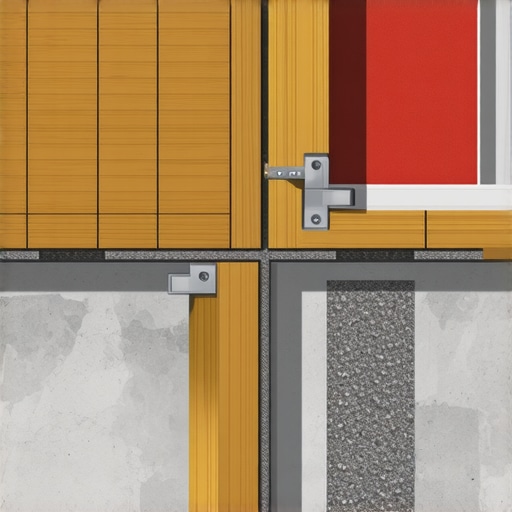
Secure the Frame Without Damaging the Concrete
Use epoxy anchors or sleeve anchors designed for concrete to attach the ledger and posts. When drilling into concrete, employ a carbide-tipped masonry bit and a hammer drill to prevent bit wander. Be cautious to avoid over-tightening, which can crack the concrete. I learned this the hard way when I overtightened a bolt and caused a small chip. Afterward, I cleaned the hole and applied epoxy to reinforce it, ensuring a durable anchor. This step is vital for safety and stability, especially when dealing with composite decking materials that require a solid and level support structure. Consider sealing the drilled holes with hydraulic cement to prevent water infiltration and freeze-thaw damage, prolonging the lifespan of your installation.
Plan and Install Substructure for Low Profile
To keep your deck unobtrusive, opt for hidden supports or install a composite sleeper system that elevates the deck just enough to prevent moisture contact with the concrete. Use spacers to maintain consistent gaps, which improve drainage and airflow, reducing rot risk. I once mistakenly placed joists directly on the concrete, leading to moisture buildup and warping. Now, I use composite sleepers with a built-in drainage system, which keeps my deck dry and preserves its integrity over years.
Implement Weather-Resistant Materials
Choose composite joists and decking boards that are designed for outdoor use. For instance, [composite decking](https://deckdesignbuild.com/choosing-the-right-composite-decking-for-durable-low-maintenance-outdoor-areas) offers durability, low maintenance, and resistance to pests and mold. When attaching boards, use appropriate hidden fasteners or deck screws designed for composites, ensuring a flush finish and avoiding surface damage. I recall struggling to hide screws on my first deck, but switching to hidden fasteners gave it a cleaner look and prevented water from seeping into screw holes. Regularly inspect and tighten fasteners to prevent squeaking or loosening over time.
Build Stairs That Complement Low Profile
Design stairs with a gentle rise and run; for example, 7-inch risers with 11-inch treads offer a natural feel. Use [stair design](https://deckdesignbuild.com/elevate-your-home-top-stairs-designs-for-modern-outdoor-spaces) principles to match the style of your deck and landscape. Consider using composite stringers and treads for longevity and low maintenance. When I built my stairs, I added handrails that matched my deck’s aesthetic, which improved safety and visual harmony. Integrate lighting into your stairs using subtle LED strips to enhance safety during evening gatherings without causing glare, following tips from [outdoor lighting](https://deckdesignbuild.com/how-to-add-subtle-step-lighting-without-the-booty-glare).
Many homeowners jump into deck projects, believing they can handle everything with basic tools and generic advice. But as an experienced builder, I can tell you that misconceptions about composite decking, stairs, and outdoor spaces can lead to costly mistakes. One recurring myth is that all composite decking is created equal; in reality, there are significant differences in quality, durability, and installation requirements, which you can explore more about at this guide.
A common trap many fall into is assuming that building stairs is straightforward. In truth, improper riser heights and tread widths not only create safety hazards but also diminish the aesthetic appeal of your deck. For instance, I once saw a project where uneven stairs caused trips and discomfort, a mistake easily avoided by following correct stair design principles.
Let’s not overlook what often goes unnoticed: the nuances of framing and material choice. Using the wrong fasteners or neglecting waterproofing details can lead to premature rot and structural failure. Incorporating hidden fasteners or applying proper flashing techniques is essential for longevity, as detailed in this article.
For advanced builders or homeowners looking to perfect outdoor living spaces, understanding the importance of proper spacing and drainage is crucial. Overlooking these details can trap moisture, leading to mold and decay—hidden dangers many underestimate. Evaluating these elements meticulously, and consulting expert tips, can save you time and money in the long run.
Have you ever fallen into this trap? Let me know in the comments. Remember, the devil is in the details—especially when crafting safe, beautiful, and durable outdoor environments.
Building a durable, eye-catching outdoor space is only the beginning; maintaining it over time requires the right tools, techniques, and a proactive approach. As a seasoned deck builder, I rely on specific equipment and software to ensure that every project stands the test of weather and usage. In this post, I’ll share my trusted tools and maintenance tips that will keep your composite decking, stairs, and outdoor living areas looking pristine for years.
Invest in Quality Power Tools for Precision and Efficiency
First and foremost, a high-quality cordless impact driver, like the Makita XDT16, is indispensable for driving deck screws flush and securely. Its torque and battery lifespan save time and minimize errors. Pair this with a good cordless drill for drilling holes — Bosch GSR12V-1400 offers versatility and durability. For cutting composite boards, I swear by a cordless circular saw with a fine-tooth blade, such as the DeWalt DCS571, to achieve clean, accurate cuts without damaging the material. Having these tools within arm’s reach accelerates the process and produces professional results.
Utilize Software for Design and Planning
Beyond physical tools, software plays a crucial role in designing and maintaining your outdoor space. For detailed measurements and visualizations, I use SketchUp’s free version to plan layouts and explore design options before breaking ground. When it’s time for maintenance scheduling, apps like Trello or Asana help track inspections, cleaning routines, and repairs, preventing issues from slipping through the cracks. Incorporating digital planning ensures your deck remains functional and beautiful over the years.
Adopt Effective Cleaning and Inspection Routines
Long-term preservation of composite decks hinges on consistent maintenance. I recommend a twice-yearly cleaning with a soft-bristle brush and a gentle cleaner designed for composite surfaces, like the [composite decking](https://deckdesignbuild.com/choosing-the-right-composite-decking-for-durable-low-maintenance-outdoor-areas) specific formulas. Regularly inspect for loose fasteners, mold, or water pooling—fixing issues early prevents costly repairs. Applying a protective sealer or restaining isn’t necessary for composites, but verifying that the sealing caps and fasteners stay secure can extend deck life immensely.
Future Trends in Deck Maintenance and Tools
The industry is moving toward smarter maintenance solutions. Emerging sensor-based systems can monitor moisture levels and detect early signs of rot or damage, providing alerts via smartphone. Additionally, advancements in power tools incorporate IoT technology, allowing for remote diagnostics and battery health checks, ensuring your tools are always ready to go. Expect these innovations to revolutionize how we care for outdoor spaces, making maintenance more automated and less guesswork.
How do I maintain composite decking over time?
Keep your composite decking looking its best by establishing a routine cleaning schedule, using gentle brushes and environmentally friendly cleaners. Regularly check for loose fasteners and replace any that have corroded or become loose. Avoid power washing with high pressure, which can damage the surface; instead, opt for a soft-bristle brush to scrub away dirt and algae. For stubborn stains or mold, consult expert advice or dedicated cleaning solutions for composites. To streamline your upkeep, consider investing in tools with smart features, like electric tools with built-in sensors or app integrations—these can diagnose issues early, saving you money and headaches. For more guidance or to discuss your project, reach out through the contact page. Take a step today—try using a digital inspection checklist to keep your outdoor oasis in top shape for years to come.
The Hidden Truths I Finally Realized About Outdoor Living
One of the most eye-opening lessons I learned was how crucial precise measurements and attention to detail are in creating a seamless outdoor space. Initially, I underestimated the importance of level framing and proper support, which later caused squeaks and uneven decking. It’s clear that patience during planning and execution prevents costly mistakes and results in a durable, beautiful deck that feels integrated into your backyard.
My Top Picks for Crafting a Long-Lasting Composite Deck
Over years of trial and error, I’ve come to rely on certain tools and resources. The guides on selecting durable composite materials have saved me from poor choices, while my impact driver and circular saw, like the Makita XDT16 and DeWalt DCS571, are essential for efficiency and accuracy. Investing in these tools pays off with professional-looking results and longevity.
Embrace the Process and Remember Your Why
While building a low-profile deck can seem like a complex puzzle, keeping sight of your original motivation—whether for family gatherings, outdoor relaxation, or increased property value—fuels the motivation to overcome setbacks. My final tip? Approach each step with patience and curiosity, and don’t be shy to ask for expert advice or tackle new ideas like integrated lighting or customized stairs. Your outdoor sanctuary awaits, and with persistence, it will become a space you cherish even more each year.