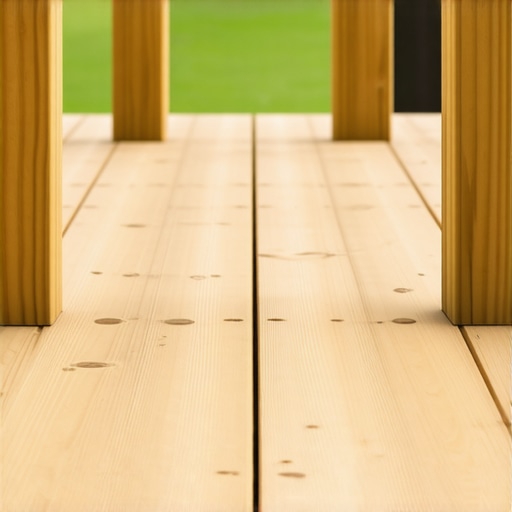
I remember the first time I stepped onto my newly built deck, only to be greeted by the sight of those unsightly metal or wooden posts glaring through the design. It was a lightbulb moment for me—those ugly posts could ruin an otherwise stunning outdoor space. Have you ever faced that frustration? That feeling when you realize a small detail like deck posts turns your beautiful patio into an eyesore? Well, I have, and after experimenting with various solutions, I’ve found some effective ways to hide those eyesores without resorting to bulky wraps or bulky covers that kill the sleek aesthetic.
No More Clunky Post Wraps: Elevate Your Deck’s Look Naturally
Choosing the right approach to conceal deck posts can be a game changer for your outdoor design. It’s not just about hiding something ugly—it’s about enhancing the overall harmony of your space. Whether you prefer a modern minimal look or a cozy rustic feel, the good news is that there are clean, stylish options that blend seamlessly with the rest of your deck. And to be honest, I believe these methods are often overlooked because homeowners think they require complex carpentry or expensive custom solutions. But trust me, the right techniques are surprisingly simple and budget-friendly.
Is Covering Deck Posts Really Worth the Fuss?
Initially, I made the mistake of thinking a simple vertical board or cheap wrap would do the trick. However, I quickly learned that many covers can look cheap if not chosen carefully, and some even draw more attention to the very thing you’re trying to hide. Properly concealing or integrating posts calls for thoughtful design choices—things like using built-in planters, decorative panels, or strategically placed furniture can do wonders. According to a study by Home Innovation Research Labs, visual harmony in outdoor spaces significantly boosts homeowner satisfaction and property value. So, addressing those visibility issues isn’t just about aesthetics—it’s also about creating a welcoming, cohesive environment.
Now, if you’re nodding along because you’ve faced a similar dilemma, hang tight. I’m about to share the practical, proven methods I’ve used myself. Whether it’s adding planters, designing custom screens, or integrating structural elements—these tips will help you elevate your deck without the bulky, obvious covers. Ready to transform that eyesore into a design feature? Let’s dive in and make your outdoor space truly shine.
Build a Custom Privacy Screen to Hide Posts
Start by measuring the distance between your deck posts and decide on a design that complements your outdoor style—be it modern slatted panels or rustic lattice. Use pressure-treated lumber or composite material like in the trends for 2025, cutting the panels to fit precisely around each post. Attach the screens securely using stainless steel screws, making sure they are flush with the posts for a clean look. I once tackled this project after a messy first attempt with leftover wood; it took longer, but the result was a seamless blend with my deck, turning a glaring post into a stylish feature. For more ideas on innovative outdoor design, visit this article.Many homeowners believe that choosing traditional wood for outdoor stairs and decks is always the most cost-effective and durable choice. In reality, this overlooks the advanced benefits of composite decking and modern materials, which offer superior longevity and low maintenance. A frequent mistake is underestimating the importance of proper framing and drainage — issues that can cause premature rot, instability, or safety hazards. For example, neglecting to include adequate flashing or correct joist spacing can lead to costly repairs down the line. It’s also a myth that a quick, inexpensive fix can replace thoughtful design; proper planning and expert installation safeguard your investment and ensure safety.
Let’s address a crucial question for experienced builders and DIY enthusiasts alike: How do subtle design flaws in stairs and framing impact long-term stability and safety? Small mistakes, such as inconsistent riser heights or inadequate support structure, can make a significant difference, especially over years of exposure. As highlighted in a recent industry study, meticulous attention to these details not only enhances safety but also aligns with best practices for outdoor living spaces.
What hidden nuances in deck framing can compromise safety unexpectedly?
For instance, improper joist spacing beyond the standard 16 inches can cause bouncy or sagging decks, which are not only unsightly but also dangerous. Modern composite decking trends, like those detailed in our guide on 2025 trends in composite decking, emphasize tight spacing and support to prevent these issues. Moreover, a common oversight is ignoring proper drainage slope and waterproofing methods, which can accelerate wood decay and structural failure. These details often go unnoticed by DIYers but are critical for a secure, lasting outdoor space. If you’re planning or updating your deck, avoid these traps by consulting with professionals or thoroughly researching best practices. Interested in more design insights? Check out this comprehensive guide.Maintaining your outdoor living space is an ongoing process that requires the right tools and a bit of know-how. From annual inspections to tackling small repairs, having the proper equipment ensures longevity and safety. One essential item I personally swear by is a high-quality digital laser measure. Unlike traditional tape measures, a laser measure allows me to get precise dimensions quickly, especially in tight or awkward spaces, making tasks like replacing stair stringers or adjusting deck panels a breeze. For example, my favorite model is the Bosch GLM 50 C, renowned for its accuracy within ±1/16 inch and Bluetooth connectivity to sync measurements with my phone. This precision tool helps prevent common mistakes, like uneven stair risers, which can cause safety hazards later on.
Another indispensable instrument is a cordless oscillating multi-tool. Its versatility comes into play when removing old caulking, trimming composite decking, or sanding tight corners on handrails. I prefer brands like Fein or Dremel, which offer variable speed settings and interchangeable attachments, enabling me to handle everything from detailed sanding to grout removal effortlessly. Investing in quality blades and sanding pads is crucial to avoid damaging the deck’s surface or creating uneven edges that could compromise safety.
In addition to physical tools, software has become a game-changer. With 3D modeling programs like SketchUp or DeckDesign, I can visualize complex multi-level decks and catch design flaws before cutting a single board. These tools are especially helpful when planning additions or modifications, ensuring all elements fit seamlessly and meet code standards.
Now, you might be wondering, “How do I maintain my outdoor spaces over time without costly repairs?” The answer is consistent, proactive inspections and maintenance routines. Using infrared thermal cameras—like the FLIR C3—can help identify hidden moisture issues or rot behind surfaces that aren’t visible to the naked eye. Regularly checking for loose fasteners or signs of wear in railings and stairs prevents accidents before they happen.
Predicting future trends, I believe integration of smart technology will become more prevalent. Imagine sensors that monitor moisture levels or structural integrity and send alerts to your phone—saving time and money long-term. Continual investment in high-quality, durable tools and proactive maintenance practices will be essential as outdoor living areas evolve.
Curious how to keep your stairs and decks looking pristine? Make it a habit to schedule annual inspections and use specialized tools like laser measures and thermal cameras. These small but impactful steps significantly extend your outdoor space’s lifespan and safety. For tailored advice or professional help, consider reaching out through our contact page, ensuring your project gets expert attention when needed.
So, why not challenge yourself to try one of these advanced tools this season? A laser measure, for instance, can revolutionize your approach to repairs and modifications, saving time and reducing errors. Embrace these tools and see how they transform your outdoor living experience, making maintenance less of a chore and more of a rewarding part of your backyard lifestyle.
Over the years, I’ve learned that the smallest details can make or break your outdoor sanctuary. One of the lessons that truly stuck with me is that tackling eye-sore deck posts isn’t just about hiding them—it’s about elevating your entire outdoor aesthetic. By integrating smart design choices and personal touches, you can turn what once was an eyesore into a feature that enhances your space’s charm and style.
Lessons From My Deck Journey That No One Tells You
- Less is More: Simple, sleek covers or plant integrations often look more polished than bulky wraps. I once replaced a traditional post cover with a built-in planter, which added greenery and sophistication.
- Personalize Your Space: Custom screens or decorative panels tailored to your style can make your deck uniquely yours. Don’t be afraid to experiment with patterns or materials that reflect your personality.
- No Need for Costly Repairs: Thoughtful design can save you money in the long run. Investing in quality materials and strategic concealments prevents the eyesore from becoming an ongoing nuisance.
- Plan Ahead for Safety: Concealing posts shouldn’t compromise stability. Always ensure your modifications meet safety standards—trust me, it’s worth double-checking.
- Blending Functionality with Style: Incorporate features like built-in seating or lighting around your posts to keep the space both practical and beautiful.
Tools and Resources That Made the Difference
- Expert deck-building tips: These insights helped me understand the importance of seamless integration and structural integrity.
- Trends in composite decking: Knowing the latest trends inspired me to choose durable, low-maintenance materials that complement my concealment choices.
- Seamless transitions and stairs: This resource emphasized design continuity, making my upgrades look intentional and cohesive.
- Deck stability guides: Ensuring safety was paramount, especially when modifying existing structures.
Step Into Your Outdoor Evolution Today
Designing a deck that hides unsightly posts without sacrificing style or safety is a rewarding challenge. Trust me, your outdoor space can become a true reflection of your creativity and taste. Take action now—start planning your transformation, and soon you’ll enjoy a deck that seamlessly blends beauty, function, and personality. Ready to make your outdoor oasis stand out? Share your experiences or ask questions below and let’s build together!