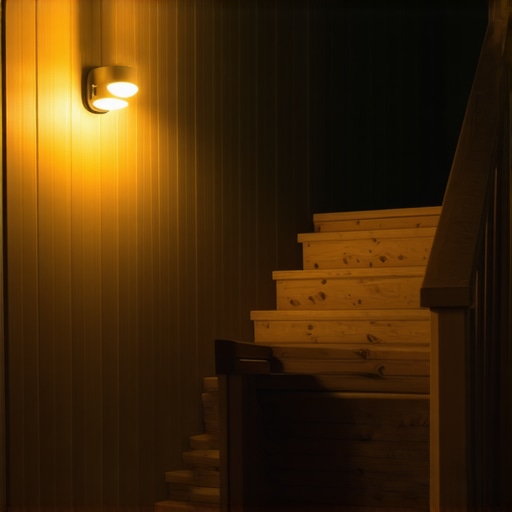
I vividly remember the moment I stumbled in the dark on my outdoor stairs, nearly taking a tumble that could have ended far worse than just a bruised ego. It was a chilly evening, and my eyes hadn’t adjusted after coming back from dinner. The shadows played tricks, and I realized something had to change. That night, I had a lightbulb moment—literally—about how simple motion sensors could transform safety on my deck stairs. If you’ve ever worried about missing your footing after sunset or just want to avoid those nerve-wracking moments, you’re not alone. Ensuring safety without sacrificing style or convenience is a challenge many deck owners face. Today, I’ll share a solution I’ve tested and perfected through personal experience, so you can enjoy your outdoor space even at night.
Why Nighttime Safety Matters More Than Ever
Indoor lighting is a given, but once you’re outside, things tend to get tricky when the sun goes down. Fallen leaves, uneven steps, or even the lack of a proper lighting plan can turn your beautiful deck into a hazard zone after dark. According to the National Safety Council, falls are the leading cause of injury at home, especially among older adults. It’s startling but true—most outdoor accidents happen when visibility is low. My own mishap was a wake-up call, compelling me to rethink how I approach outdoor illumination.
So, what do you do? Installing bright floodlights? Not always practical or aesthetically pleasing. Plus, they drain power and can disturb your peaceful evening relaxation. That’s where motion sensors come into play—a technology that’s simple, smart, and effective. They detect movement and activate lighting only when needed, saving energy and keeping your deck looking elegant even after hours. But, like many homeowners, I initially made a crucial mistake: I relied on basic motion sensors without considering their placement and settings, which often resulted in lights flickering or not turning on promptly—more frustration than convenience.
After trial, error, and some expert advice, I discovered that a well-placed motion sensor paired with the right lighting fixtures can make all the difference. For example, integrating them with LED path lights or low-profile step lights not only improves visibility but also enhances the ambiance. And, if you’re curious about choosing the best materials for your deck to withstand outdoor conditions, I recommend visiting [our guide on composite decking trends for 2025](https://deckdesignbuild.com/composite-decking-trends-2025-the-ultimate-guide-for-outdoor-enthusiasts), which provides great insights.
Now, are you facing a similar challenge? Do your night-time strolls feel more like cautious steps than relaxed walks? If so, keep reading. I’ll walk you through the practical steps to implement this game-changing safety trick, ensuring your outdoor space is both beautiful and secure long after the sun sets.
Plan Your Lighting Layout Carefully
Start by visualizing your deck stairs layout, considering where shadows or poor visibility might occur. I once marked where the most foot traffic happened during my evening strolls using chalk, which helped me determine optimal sensor placement. Think of your stairs like a pathway through a forest—lighting should illuminate the trail without turning the area into a spotlight.
Select the Right Motion Sensors and Lights
Choose motion sensors with adjustable sensitivity and timers to prevent false triggers, like passing cars or tree branches. I installed a sensor with a 180-degree detection zone paired with LED step lights. This setup is energy-efficient and long-lasting. For durability, opt for weatherproof fixtures made from corrosion-resistant materials. Check out this guide on composite decking materials to match your lighting with your deck’s aesthetic.
Position Sensors at Strategic Spots
Install sensors at the bottom and top of your stairs, aiming downward toward the steps. Use mounting brackets to secure sensors at about eye level for pedestrians. I initially placed mine too high, which resulted in delayed activation—like trying to catch a bus just as it drives away. Adjusting the angle and height improved response times significantly. Imagine the sensors as your outdoor body’s eyes, so position them to have the clearest view of approaching footsteps.
Connect and Test Your System
Wire your sensors to the lights, following manufacturer instructions. When connecting, color-code the wires and double-check your connections to avoid shorts—something I learned the hard way after a spark nearly caused a power outage. Once wired, test the system by walking past the sensors to ensure lights turn on promptly. Fine-tune sensitivity and delay settings as needed. Think of this phase as tuning a musical instrument; small adjustments make a big difference.
Enhance Safety with Additional Features
Consider adding dusk-to-dawn sensors for overnight security or integrating smart controls for remote operation. I installed a motion sensor with adjustable settings, so I could disable it during late-night gatherings or when away. A well-tuned system acts like your outdoor security guard, quietly watching over your space.
Regular Maintenance and Adjustments
Periodically clean sensor lenses and update firmware if applicable. Heavy rain or dirt can cause false triggers, similar to how fog can obscure vision. During one winter, snow covered the sensors, rendering them ineffective until I cleared the area. Think of this as giving your system a regular health check to keep it functioning optimally.
When planning your outdoor living spaces, it’s tempting to focus on the obvious—materials, aesthetics, and basic safety features. However, many homeowners and even some professionals overlook the subtle pitfalls that can turn an elegant deck into a maintenance nightmare or safety hazard. One common misconception is that choosing standard composite decking materials guarantees durability without considering the nuances of climate and installation practices. For example, not all composite boards are created equal; some fade quickly under sun exposure or develop mold in humid environments. To avoid these pitfalls, it’s essential to select high-quality, climate-appropriate materials, such as mineral core boards, which are resistant to fading and staining, as discussed in this comprehensive guide.
A frequently overlooked detail is the precise installation of stairs, where even minor misalignments can lead to bouncing steps or loose railings over time. While many assume that following basic framing codes suffices, the real secret lies in understanding the tensioning of stringers and proper support spacing, as outlined in this expert insight. Ignoring these nuances can result in uneven, squeaky stairs that feel unstable—detracting from your outdoor experience.
Let’s answer a common question among seasoned outdoor enthusiasts:
How does moisture infiltration subtly undermine deck longevity, despite seemingly high-quality materials?
Many assume that composite decking’s resistance to moisture eliminates concerns, but in reality, water can seep into poorly sealed joints or transition points, leading to hidden rot in supporting structures or mold growth. This is why professional-grade flashing and sealing techniques are critical—ordering DIY solutions without proper knowledge can accelerate deterioration. The importance of meticulous detail in these areas cannot be overstated, as highlighted in this article.
Preventing such issues involves not only selecting resilient materials but also engaging with a skilled deck builder who understands the intricacies of moisture management and structural support. As I’ve learned through personal experience, partnering with a professional can save you thousands in future repairs and give you peace of mind, which is why I often recommend visiting this resource.
Remember, hidden issues often lurk beneath the surface—be it in the materials you choose or in installation flaws. Are you aware of the subtle mistakes that can compromise your outdoor oasis? Share your experience or questions in the comments below. Let’s dig deeper into achieving a durable, safe, and stunning outdoor space together.Maintaining your outdoor living spaces, especially decks and stairs made of composite decking, requires a combination of the right tools, regular routines, and expert techniques. Over time, even the best materials can suffer from wear and tear, but with proper care, you can significantly extend their lifespan and keep them looking stunning. One of my trusted tools is a high-powered leaf blower, which I use not just for clearing debris but also for drying surfaces after cleaning, preventing mold growth in damp conditions. Additionally, a digital moisture meter helps me identify any hidden dampness in support structures, allowing for timely interventions, especially vital in humid climates. Regularly inspecting and tightening fasteners with a power screwdriver prevents looseness that can lead to dangerous bouncy stairs or unstable railings. When it comes to cleaning, I prefer a soft-bristle brush and a gentle, composite-safe cleaner—never harsh chemicals—to remove dirt and prevent surface damage. For sealing and sealing touch-ups, I’ve found that a good-quality penetrating oil designed for composite materials preserves the appearance and prevents UV damage. Looking ahead, I believe the trend toward smart maintenance, where sensors monitor moisture and structural integrity in real-time, will become mainstream, providing homeowners peace of mind without constant manual checks.
How do I maintain my composite deck and stairs over time?
Regular cleaning, prompt repairs, and choosing the right tools are essential. Use a digital moisture meter to catch hidden issues early and invest in quality fasteners and sealers. For deeper saves and seamless protection, collaborating with a professional deck builder can be a game changer, as they understand the nuances of composite materials and structural integrity—details often overlooked. To discover how a skilled specialist can transform and prolong your outdoor space, explore this article on professional deck projects. Do avoid common pitfalls like neglecting hardware maintenance or using incompatible cleaning products, which can accelerate deterioration. Instead, make it a point to schedule seasonal inspections and align your tools with the specific demands of composite decking, such as specialized scrapers or non-abrasive brushes. Remember, maintaining your outdoor area is an ongoing process—think of it as giving your deck a health check every year, not just a one-time fix.
Take this tip: periodically apply a UV-protectant sealer to preserve your deck’s color and surface quality, especially if it faces intense sunlight. Such proactive measures ensure your outdoor oasis remains safe, beautiful, and functional for years to come. For more advanced strategies and future-proofing your outdoor living setup, check out this upcoming trend article. Don’t wait until you see signs of wear—start integrating these tools and habits today to keep your deck and stairs performing at their best.
What I Never Expected About Building Safe Outdoor Spaces
One of the most enlightening lessons I’ve learned is that even the slightest overlook during installation can lead to long-term safety issues. For instance, neglecting proper support spacing can cause stair bounce, which might seem minor but poses real safety concerns over time. Trust me, I once ignored a recommended support interval, and it resulted in creaky, unstable stairs—a situation easily avoided with attentive planning and tight tolerances.
Another hidden pitfall is underestimating the importance of moisture management. I used high-quality composite decking but failed to seal critical joints, leading to mold buildup that was invisible until it caused support rot. This taught me that selecting resilient materials like mineral core boards isn’t enough; proper sealing and maintenance are equally vital. Insights from this guide on mineral core decking can save you from similar surprises.
Furthermore, I realized that sensor placement for deck lighting and security isn’t just about installing equipment; it’s about strategic positioning. Proper sensor angle and sensitivity can mean the difference between timely illumination and frustrating false triggers. During my own setup, adjusting sensors to have a clear, unobstructed view made my night walks safer and less hassle.
Tools and Resources That Changed My Approach
An investment in the right tools truly pays off. I recommend a good digital moisture meter to identify hidden dampness, as moisture intrusion is a silent threat lurking beneath decks—even when surfaces look perfect. Additionally, premium stainless steel screws have made a massive difference in preventing corrosion, extending the lifespan of my outdoor spaces. For comprehensive guidance, this resource on expert deck-building tips provides invaluable insights.
If you’re serious about a lasting, safe outdoor area, collaborating with a seasoned professional can prevent many common missteps. A skilled deck builder understands not only aesthetics but also structural nuances, moisture barriers, and code adherence. Discover how they can elevate your project by exploring this article on professional craftsmanship.
Step Into a Safer, More Beautiful Outdoor Life
Every step I took to improve my deck’s safety and durability has paid dividends in peace of mind and enjoyment. I encourage you to start thinking critically about your outdoor setup—every fixture, support, and sensor counts. Your outdoor living space is your retreat; with a little knowledge and the right tools, you can ensure it remains safe and inviting long into the future.
What’s one safety upgrade you’re considering for your deck or stairs? Let me know below, and let’s keep this conversation going toward safer outdoor living!