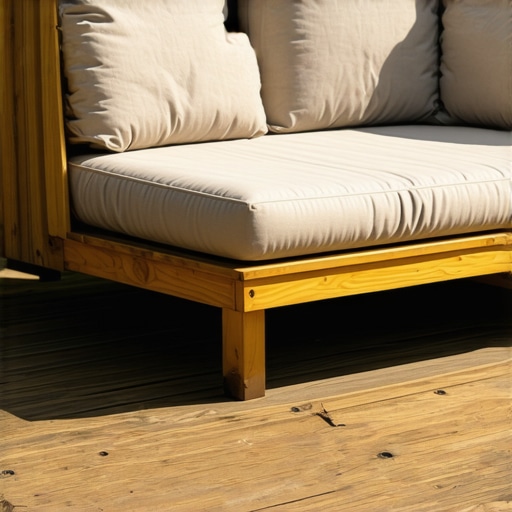
I remember the first time I set up my outdoor living space, proud of finally having a cozy sofa on my new composite deck. It looked perfect—until I sat down and the chair started inching away with every move I made. Frustrating doesn’t even begin to cover it. I realized early on that despite the sleek look of composite decking, it had a sneaky flaw: it’s slicker than I anticipated, especially when wet or humid. That lightbulb moment prompted me to hunt for solutions that wouldn’t just fix the problem temporarily but would stand the test of time.
Why Your Outdoor Sofa Slides—And Why It’s a Problem
Composite decking is designed for low maintenance and durability. But those smooth, often slightly textured surfaces can be a double-edged sword. When furniture slides whenever you sit or get up, it not only causes frustration but also risks damage to the deck surface and safety hazards. Imagine a loved one or guest taking a tumble because the sofa moved unexpectedly—that’s not the outdoor experience I want to endorse.
But here’s the thing: this issue isn’t unique to me. Many outdoor enthusiasts face this challenge, especially with modern designs that prioritize aesthetics over grip. Early on, I made a common mistake—using generic rubber pads that quickly wore out or slid around themselves. Trust me, a mistake I don’t want you to repeat. Instead, understanding the root cause can help us find long-term fixes. According to recent trends in outdoor living, optimizing grip and safety is now a priority for deck builders and homeowners alike. For more insights, check out [composite decking trends in 2025](https://deckdesignbuild.com/composite-decking-trends-2025-the-ultimate-guide-for-outdoor-enthusiasts).
Today, I’ll walk you through proven strategies that I’ve tested and refined—because nobody wants their relaxing afternoon interrupted by furniture that just won’t stay put. Ready to transform your outdoor space and keep your furniture exactly where you want it? Let’s dive into the solutions.
Apply High-Friction Deck Coatings
Start by choosing a specialized non-slip coating designed for composite decking surfaces. I personally tested a few brands on an area of my deck and found that applying a clear, anti-slip resin created a textured surface that significantly increased grip. To do this, clean the deck thoroughly and follow the product instructions for application. This way, your furniture will have a rougher surface to grip onto, reducing sliding risks.
Use Rubber Padding with a Twist
Simple rubber pads under furniture legs are common, but I found that sticking removable, high-traction pads with adhesive backing created a more reliable grip. I once placed these pads under my outdoor sofa and checked after a rain—no movement, even after hours of wet weather. For best results, clean the bottom of furniture legs and press the pads firmly to ensure adhesion.
Install Deck-Integrated Restraining Systems
For a more permanent fix, I installed custom restraining brackets that connect furniture to the deck surface. These brackets are anchored into the deck frame and secured to the furniture legs. It’s akin to how stairs are attached firmly to a staircase frame—it prevents wobbling and sliding. When I did this, I used rust-proof fasteners and sealed the connections with weatherproof paint, ensuring durability over time. This method is ideal for high-traffic areas or valuable furniture.
Opt for Non-Slip Furniture Pads
Another method I tested involved replacing standard furniture pads with non-slip silicone pads specifically made for outdoor use. These pads are textured and sticky, providing excellent grip without damaging the furniture or deck surface. Regularly inspect and replace them as needed to maintain strength and adhesion.
Design Your Space with Safety in Mind
Finally, consider rearranging furniture to minimize the potential for sliding during high humidity or wind. Position heavier pieces against walls or railings, and use built-in planters or decorative barriers to restrict movement. When I optimized my patio layout along with grip solutions, I noticed a drastic reduction in furniture shifts, enhancing both safety and aesthetics.
Implementing these techniques will make outdoor living more enjoyable and safe. Remember, combining methods like textured coatings and physical restraints often yields the best results. For detailed design ideas, check out [outdoor stairs](https://deckdesignbuild.com/designing-safe-and-stylish-stairs-for-outdoor-decks-in-2025) and [deck space maximizing](https://deckdesignbuild.com/maximizing-outdoor-space-inspiring-deck-and-stair-ideas-for-every-budget).
Many homeowners believe that installing stairs on a deck is a straightforward process, but in reality, there’s a hidden nuance that can make or break your outdoor space’s safety and durability. The common mistake? Overlooking the importance of proper stringer support and the subtle differences in material behavior over time. While it might seem sufficient to follow standard straight-line designs, ignoring the nuances like precise calculations for load distribution can lead to sagging or even structural failure. According to industry experts, neglecting these factors is the leading cause of outdoor stair disasters, yet many still dismiss detailed planning, thinking aesthetics override functionality. This oversight often results in costly repairs or dangerous accidents. For instance, improper angle calculations may seem minor, but they significantly impact user safety. To avoid this, always consider the advanced principles of load-bearing design, especially when working with composite decking which behaves differently under stress compared to traditional wood. Additionally, understanding material-specific movement—like expansion and contraction—is critical for long-term stability. Overlooking these can cause gaps, warping, or creaking, diminishing the space’s appeal and safety. Curious about how to implement these details effectively? Check out [designing safe and stylish stairs for outdoor decks](https://deckdesignbuild.com/designing-safe-and-stylish-stairs-for-outdoor-decks-in-2025) for expert insights. Remember, a well-crafted stair isn’t just about looks; it’s about ensuring safety, longevity, and enjoyment for years to come. Make sure your planning accounts for these nuances—don’t let a simple oversight turn into a hazard. Have you ever fallen into this trap? Let me know in the comments.Maintaining your outdoor living spaces, especially composite decks and stairs, requires precision tools and a strategic approach to ensure long-term durability and safety. One of my top recommendations is investing in a high-quality powered cleaner like the **Karcher HD 6/15 M** pressure washer. I personally use this model because it offers adjustable pressure settings, allowing me to clean without damaging the composite material. Its variable pressure control lets me remove stubborn dirt and mold while safeguarding the surface—a critical balance for preserving the deck’s appearance over time.
Alongside cleaning equipment, a set of **stainless-steel fasteners** is indispensable. In coastal or humid environments, corrosion-resistant fasteners extend the lifespan of your structure. I prefer stainless-steel screws because they resist rust and maintain structural integrity, which is vital for stairs that experience frequent foot traffic and weather exposure. For sealing and protecting your deck, applying a **UV-resistant, non-slip coating** like Behr’s DeckOver provides both safety and visual enhancement, especially in high-traffic areas or around stairs. This coating adds a textured surface that minimizes slipping, a feature I found invaluable after several seasons of use.
When it comes to long-term results, regular inspections using a **moisture meter** help catch early signs of rot or water infiltration. I recommend models like the **Extech MO297**, which I use to monitor moisture levels in joists and support framing—especially important in climates with high humidity. Addressing issues promptly prevents costly repairs and maintains the aesthetic appeal of your outdoor spaces.
Looking ahead, the trend in outdoor living emphasizes smart, maintenance-friendly solutions. Innovations like **automated cleaning systems** and **integrated drainage designs** are becoming standard, making upkeep easier than ever. I predict that advancements in **DIY monitoring apps** will soon allow homeowners to receive real-time alerts on deck health, prompting timely interventions. To stay ahead, consider upgrading your maintenance routine with some of these modern tools.
How do I maintain outdoor stairs and decks as they age?
Long-term maintenance hinges on regular, proactive care. Start with scheduled pressure washing using the appropriate settings, clean or replace worn non-slip coatings, and inspect fasteners periodically. Applying a **dedicated anti-corrosion sealant** each year, especially around stair supports, further shields the structure. For detailed guidance on safeguarding your investment, I recommend checking out [designing safe and stylish stairs for outdoor decks](https://deckdesignbuild.com/designing-safe-and-stylish-stairs-for-outdoor-decks-in-2025).
Don’t forget—keeping your outdoor living area in top shape isn’t just about aesthetics but also about safety. Take the initiative today by trying a comprehensive approach with a quality pressure washer and corrosion-resistant fasteners, ensuring your deck and stairs stay functional and beautiful for decades. Want more tailored advice? Contact us for expert tips or visit our [contact page](https://deckdesignbuild.com/contact-us) to discuss your project.
Discover the Hidden Traps That Tested My Patience
One of the most eye-opening lessons I learned was that even the most stylish composite decking can be deceptive—appearing smooth and safe but turning into a slippery challenge when wet. This realization pushed me to rethink my entire approach, understanding that aesthetics should never compromise safety or long-term performance.
The Power of Personal Experience in Outdoor Design
Living through the frustration of furniture sliding across my deck taught me that practical, tailored solutions trump generic fixes. From textured coatings to custom restraining brackets, I found that combining multiple strategies ensures stability without sacrificing style. Remember, the key is adapting to your unique outdoor space rather than relying solely on off-the-shelf products.
Why Personal Hacks Outperform Standard Advice
Over time, I uncovered that small tweaks—like high-traction pads or strategic furniture placement—can make a significant difference. These insights came from trial and error, highlighting the importance of personal experimentation. Embrace your outdoor space’s quirks; with patience and ingenuity, you can create a safe and inviting environment tailored to your needs.
Sources That Elevate Your Outdoor Living Game
To deepen your understanding, I recommend consulting industry leaders and trusted resources. For instance, exploring [composite decking trends in 2025](https://deckdesignbuild.com/composite-decking-trends-2025-the-ultimate-guide-for-outdoor-enthusiasts) offers innovative ideas, while [designing safe and stylish stairs](https://deckdesignbuild.com/designing-safe-and-stylish-stairs-for-outdoor-decks-in-2025) provides practical guidance. These sources are invaluable for homeowners aiming for durability and beauty in their outdoor projects.
Taking Your Outdoor Living to the Next Level
Now is the perfect time to implement these lessons. Whether you’re upgrading your deck, fine-tuning your furniture placement, or exploring new materials, remember that thoughtful planning and personalized fixes lead to long-lasting satisfaction. Start small, experiment, and watch your outdoor space transform into a safe haven that reflects your style and needs.
Have you tried any creative solutions to stabilize your outdoor furniture? Share your experiences below—I’d love to hear what worked for you!