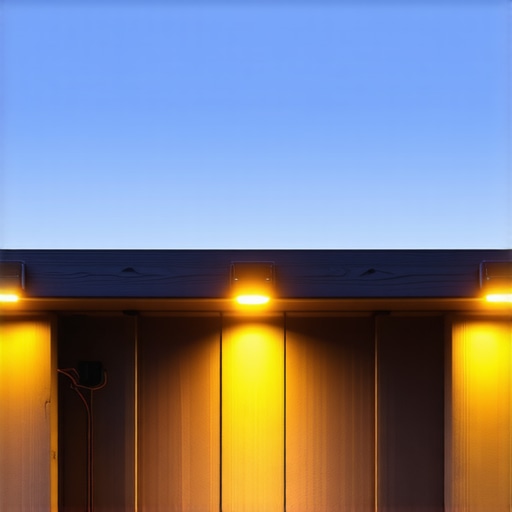
I remember the evening vividly—the warm glow of my deck lights casting inviting pools of light, perfect for relaxing with friends. Suddenly, I noticed half my outdoor lighting system had dimmed, leaving my beautiful deck bathed in an uneven, moody glow. Frustration set in. I had spent weeks designing this space, choosing the right composite decking, stylish stairs, and the perfect lighting setup to create an inviting outdoor haven. And now, the ambiance was ruined.
That moment was a lightbulb for me. I realized I wasn’t alone in this confusion; many outdoor enthusiasts face the same puzzling issue: why does half my deck’s low-voltage lighting suddenly dim? If you’ve encountered this frustrating problem, you know how it can throw a wrench into your outdoor plans—or worse, make you want to give up on your beautiful lighting design altogether.
Today, I want to share what I learned from my experience and how I finally deciphered this common but tricky low-voltage lighting error. We’ll explore the causes, troubleshoot the typical mistakes, and look at expert-approved solutions so you can enjoy your deck’s perfect evening glow, worry-free.
The Head-Scratching Dimness: What’s Really Going On?
One of the most common causes of uneven deck lighting is related to the wiring setup or transformer issues. Initially, I made the mistake of assuming the problem was simply a faulty bulb or a bad connection—something easy enough to fix—but the issue persisted, especially during hot summer nights when outdoor temperatures soared.
What I didn’t realize early on is that the low-voltage transformer, which supplies power to the entire lighting system, can often be the culprit when only part of your deck remains underlit. According to lighting experts, the transformer might be overloaded or not rated for the total wattage of your lights, leading to uneven voltage distribution. This means some zones get less power, dimming those lights unexpectedly.
Another factor to consider is the wiring itself. In outdoor environments, wires can become loose, corroded, or damaged over time—especially if they weren’t properly protected or buried correctly from the start. I learned that moisture intrusion or even rodent activity can mess with the wiring, causing voltage drops and flickering.
I also found that the placement of the transformer and wiring can lead to uneven load distribution if not configured precisely. For instance, wiring lights in a daisy-chain fashion without proper load balancing can create zones with insufficient voltage.
Before jumping into fixes, have you experienced similar dimming issues on your deck? Identifying whether the transformer, wiring, or connectors are at fault is the first step toward restoring your perfect outdoor glow.
If you’re planning a new install or upgrading your current system, consider consulting an expert or visiting a comprehensive guide to transformer sizing and wiring best practices. For deeper insights, you might find valuable tips in the article about [outdoor lighting essentials](https://deckdesignbuild.com/innovative-outdoor-living-ideas-with-composite-decking-in-2025), which emphasizes the importance of proper planning in outdoor electrical setups.
Now that we understand the potential causes, let’s dive into how to troubleshoot and solve this common problem—so your deck can be beautifully lit all summer long.
Test Your Transformer First
Begin by inspecting your low-voltage transformer, the heart of your outdoor lighting system. Turn off power, then disconnect and examine it for signs of overheating or corrosion. Use a multimeter to check if the transformer is delivering the correct voltage—most systems require around 12V. If readings are off, replace the transformer or adjust the voltage output according to manufacturer specs.
Ensure Proper Load Balancing
Think of your wiring like a garden hose—if too many sprinklers are connected at the end, water pressure drops. Similarly, overloading your transformer causes voltage drops leading to dim lights. Calculate the wattage of all your fixtures and compare it to the transformer’s capacity. Spread out the load evenly across multiple wiring runs or upgrade to a higher-capacity transformer if needed.
Inspect and Secure Wiring Connections
Loose or corroded wires mimic leaky pipes—causing voltage drops. Shut off power and examine all connections, especially at the lights and along the run. Tighten all terminal screws and replace corroded or damaged wiring with outdoor-rated, waterproof connectors. During my project, I noticed a loose connection near a junction box—after securing it, the lighting evened out immediately.
Check for Damaged or Faulty Fixtures
Sometimes, a single bad fixture can cause dimming in surrounding lights. Remove suspect fixtures and test them directly at a known good power source. If they flicker or remain dark, replace them with new, weatherproof LED fixtures for reliable performance.
Optimize Wiring Path and Protect Wires
Like a well-planned road trip, your wiring needs a clear, protected route. Use outdoor-rated conduit or buried cable to prevent moisture intrusion and mechanical damage. When I installed my system, I ran wires through PVC conduit beneath the deck surface, which prevented animal gnawing and water entry—ensuring consistent voltage delivery.
Revisit Load Distribution and Wiring Layout
Ensure your wiring configuration doesn’t create voltage drop zones. Avoid daisy-chaining multiple fixtures in a series; instead, run individual wires from the transformer to each zone. This approach balances voltage and guarantees bright, even lighting across your deck. If you’re redesigning an existing setup, consider consulting a professional or reviewing detailed guides about best wiring practices for outdoor lighting systems.
If, after these steps, your lighting still falters, it might be time to contact a professional deck builder to assess and upgrade your system properly. Remember, proper troubleshooting saves money and keeps your outdoor space enchanting after sunset.
Many homeowners believe that choosing the most popular composite decking brand guarantees a hassle-free outdoor upgrade. However, in my experience working with countless projects, a common myth persists: that all composite decking is created equal and that standard installation techniques suffice. The truth is, understanding the subtle differences in material composition, surface textures, and manufacturing processes can significantly impact your deck’s longevity and appearance. For example, some brands use mineral-filled cores for enhanced durability, which require specific fastener types to prevent cracking, as emphasized by industry expert Michael Bevilacqua. Overlooking these nuances often leads to premature warping, especially in coastal environments where salt exposure accelerates degradation if materials aren’t selected carefully.
When I consult with clients, I stress the importance of not only selecting high-quality materials but also adopting advanced installation practices tailored to your specific climate and usage patterns. It’s a common trap to assume that a straightforward, cookie-cutter approach will suffice, but advanced mistakes like improper joist spacing, insufficient ventilation, or neglecting proper flashing can cause issues like buckling or mold growth. This is why partnering with a skilled deck builder who understands these hidden factors is crucial for achieving a seamless and durable outdoor space.
Have you ever fallen into this trap? Let me know in the comments. Furthermore, exploring innovative design ideas, such as integrating custom stairs from top stairs designs, can enhance both safety and aesthetics without compromising durability. Remember, the devil is in the details—so stay informed about the nuances that make or break your outdoor living investment.Maintaining your outdoor decking, stairs, and lighting setup over time requires precision, the right equipment, and a solid understanding of best practices. Personally, I swear by using a high-quality multimeter like the Fluke 117 to regularly check transformer outputs and wiring continuity, ensuring voltage is consistent across all zones. This proactive approach helps catch issues before they escalate into costly repairs. Additionally, a cordless, waterproof power drill with Variable Speed Settings—such as the Makita XFD15—allows me to confidently replace fasteners with stainless-steel screws, which are critical for coastal environments to prevent corrosion. When performing routine inspections, I rely on crystal-clear LED headlamps with adjustable focus to clearly see tight connections or corrosion spots in shaded or hard-to-reach areas. Keeping spare waterproof connectors and sealant on hand ensures quick fix-ups, preserving the integrity of your wiring and preventing moisture intrusion that can cause flickering or dimming of landscape lights.
Moving forward, integrating diagnostic tools like the Klein Tools NCVT-2 Voltage Tester can really streamline troubleshooting, especially for identifying faulty fixtures or loose connections. These small yet powerful devices enable me to quickly pinpoint issues without unnecessary disassembly, saving time and effort.
Looking ahead, the trend is shifting toward smart outdoor electrical systems. As technology advances, integrating Wi-Fi-enabled voltage monitors or automated testing modules could revolutionize how we maintain decks, stairs, and lighting. I predict that within the next few years, more deck builders will adopt these innovations to deliver worry-free outdoor living setups.
So, if you haven’t yet, I highly recommend trying out a multimeter in your routine inspections. Simply turning it on to check your transformer load or testing connections can save you from future headaches. Regular maintenance with the right tools ensures your composite decking and stairs stay functional and stunning for years to come. Need assistance or want personalized tips on maintaining your deck? Don’t hesitate to reach out to a professional deck builder for expert advice.
Lessons That Changed My Outdoor Living Approach
- Never underestimate the complexity behind seemingly simple outdoor lighting—transformers, wiring, and load balancing all play crucial roles, reminding me that meticulous planning is essential for lasting results.
- The importance of choosing weatherproof, high-quality components became clear when I realized that the durability of fasteners, connectors, and fixtures directly affects the longevity of my deck’s ambiance.
- Regular maintenance and using diagnostic tools like multimeters and voltage testers aren’t just tasks—they’re investments in preserving the beauty and safety of my outdoor space, preventing small issues from escalating.
Tools and Resources That Elevate My Deck Projects
- Fluke 117 Multimeter: Trusted for its accuracy and durability, it helps me monitor transformer voltage and wiring integrity, which are vital for consistent lighting performance.
- Klein Tools NCVT-2 Voltage Tester: A quick, reliable way to identify faulty fixtures or loose connections before they turn into costly repairs.
- Custom composite decking ideas: Inspirational content that guides my material choices for durability and style, tailored to my climate and aesthetic preferences.
- Outdoor living innovations 2025: Keeps me ahead of trends, ensuring my outdoor space remains both functional and impressive for years to come.
Your Next Step in Outdoor Excellence
Creating a stunning, reliable deck with perfectly illuminated surroundings isn’t just about following a plan—it’s about embracing ongoing learning and proactive maintenance. With the right tools, expert advice, and a passion for your outdoor space, you can craft an oasis that captivates and endures. Don’t wait for problems to arise; start now, experiment, and transform your outdoor living experience today. What’s the first upgrade you’re planning to give your deck or lighting system? Share your ideas below—I’m excited to hear your plans and provide additional tips to help you succeed.