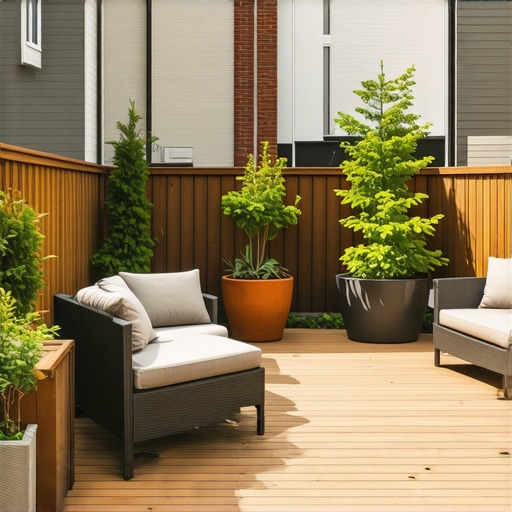
I remember the moment vividly—standing in my tiny backyard, looking at the narrow strip of land that felt more like a confined alley than a inviting outdoor space. It hit me then: how can I create a deck that feels spacious and functional without sacrificing my limited yard area? The struggle of designing for a narrow townhome yard is more common than many realize, but the solutions are surprisingly achievable once you know what to focus on.
Transforming a Confined Space Into an Outdoor Oasis
Many homeowners face the challenge of making their small yards feel open and welcoming. A common mistake I made early on was trying to use standard deck designs that simply didn’t suit the space—leading to a cramped feel and limited usability. Over time, I learned that strategic planning and custom designing are key to turning a narrow yard into a functional outdoor retreat.
Have you ever grappled with the frustration of a tiny backyard that seems impossible to make both beautiful and practical? If so, you’re not alone. The good news is, with the right approach, you can maximize your space and create an outdoor area that feels larger and more inviting.
Is Smaller Really a Limitation or an Opportunity?
One of the biggest skeptics’ concerns I encountered was whether a narrow yard could truly accommodate a deck without feeling overcrowded. To be honest, I doubted it myself initially. However, I discovered that focusing on compact yet versatile designs can make all the difference.
Early in my project, I made the mistake of choosing overly bulky materials and ignoring the importance of visual flow—leading to a cluttered atmosphere. That’s a common pitfall; choosing the wrong materials or layout can make a small space seem even smaller. For example, selecting light-colored composite decking with a seamless pattern can open up the area visually, giving a sense of more space. If you’re interested in innovative solutions, exploring [composite decking ideas](https://deckdesignbuild.com/transform-your-outdoor-living-with-custom-composite-decking-ideas) can provide inspiration.
Furthermore, consulting a professional deck builder can help you avoid costly mistakes and ensure your design maximizes every inch—learning from my experience, I found that partnering with experts can save you time and frustration. The benefits of working with a pro include tailored designs that fit your unique yard and adhering to safety standards, which is crucial for small spaces where every detail counts.
Before diving into the nitty-gritty of layout and material choices, it’s vital to understand the potential of your space—to see it not as a limitation, but as a canvas for creativity and function. Ready to get practical? Let’s explore how to plan your narrow yard deck for maximum impact.
Kickstart Your Design with Precise Measurements
Start by measuring your yard carefully—use a tape measure to record length, width, and any features like existing trees or slopes. Map these on graph paper or a digital design tool. I once spent hours sketching my space, realizing a few inches could change the entire layout, which prevented costly mistakes later.
Choose the Optimal Materials for Space and Style
For narrow yards, light-colored composite decking like those suggested in this guide helps visually expand the area. Select slim-profile boards and avoid overly chunky components that can crowd the space. I opted for seamless planks, which didn’t break up the visual flow—making the deck appear larger and more open.
Design Layout with Function and Flow in Mind
Instead of standard rectangular designs, consider angled or multi-level layouts to create zones within your yard, similar to my experience with installing a corner seating nook. Use these design tips to maximize every inch. When I added a step-up platform, it created depth, making the yard look more expansive.
Incorporate Stairs That Save Space
Opt for floating or narrow stairs, which blend into the design without overwhelming the area. Use these stair ideas to maintain openness. I installed a small, straight staircase with open risers, which visually connected different levels without feeling bulky—crucial for tight spaces.
Ensure Structural Integrity Without Cluttering
Use post—and—beam systems that are sleek and minimal. Anchor posts deeply into the ground or concrete pads, avoiding bulky supports. I hidden the structural anchors behind lattice panels, masking support while preserving aesthetics. For more on building sturdy yet unobtrusive supports, see these bracket techniques.
Enhance Outdoor Living with Smart Features
Lighting, furniture, and plants can make your compact deck inviting. Use low-profile lighting systems that don’t clutter surfaces. I added built-in seating with hidden storage, maximizing space and function simultaneously. Remember, every element should serve dual purposes—saving space without sacrificing comfort.
Fine-Tune the Details for a Cohesive Look
Small decks thrive on clean lines and uncluttered surfaces. Use uniform color schemes, like light-toned composite boards, and minimize decorative accessories. I learned that trimming excess plants and choosing slim furniture made the area feel less congested. For more detailed finishing tips, explore these finishing techniques.
While many believe that composite decking is completely maintenance-free and foolproof, the truth is more nuanced. A widespread misconception is that all composite materials are created equal; in reality, variations in quality, composition, and manufacturing processes significantly impact durability and appearance. For instance, low-quality composites may fade faster or develop mold, undermining your investment. Moreover, not all stairs designed for outdoor decks are safe or code-compliant—cutting corners on support structures can lead to hazardous instability over time. Collaborating with a professional deck builder, like those who understand these intricacies, can prevent costly mistakes and ensure your outdoor space lasts. Don’t fall into the trap of choosing less-than-ideal materials or design shortcuts that seem easier at first glance. Instead, plan carefully and consult experts to create an outdoor living area that combines longevity, style, and safety—explore these expert tips for guidance. Have you ever fallen into this trap? Let me know in the comments.
When it comes to maintaining your outdoor living space, having the right tools and a disciplined approach makes all the difference. As someone who has transformed countless decks, I can attest that equipping yourself with specific, high-quality tools not only streamlines the job but also extends the lifespan of your investment. The key is to focus on precision, durability, and understanding the nuances of your decking materials.
Why a Quality Power Washer Is Indispensable
For regular cleaning, I rely on a commercial-grade pressure washer with adjustable PSI settings, typically between 1,500 and 2,000. This range effectively removes grime and moss without risking damage to the composite surface. I prefer models with a wide spray nozzle and a soap dispenser for a thorough clean, which is crucial for maintaining low-maintenance composite decks. Remember, consistent cleaning prevents mold buildup and keeps your deck looking vibrant.
Invest in Precise Measuring and Leveling Tools
Accurate measurements are the backbone of a smooth, safe deck. I recommend a digital laser level, which I use to ensure all components are perfectly aligned—especially when installing stairs or railings. A good-quality tape measure is vital; I personally prefer one with lock features and a bright, easy-to-read display. Precise leveling not only improves aesthetics but also prevents uneven wear and structural issues over time.
Use Specialized Fasteners and Protective Equipment
For fasteners, I advocate stainless-steel screws designed specifically for composite materials. They resist corrosion and require less pre-drilling, saving time. You can see the benefits of choosing the right fasteners in this detailed guide. Additionally, don’t forget safety gear—impact-resistant gloves, goggles, and dust masks—especially when cutting or drilling. Proper safety protocols are essential for safe, quality work.
Discover Software That Simplifies Design and Planning
Designing a deck with precise dimensions is easier with specialized software. I use SketchUp, which allows me to visualize the layout and experiment with different configurations before building. This approach prevents costly mistakes and helps ensure your design matches your vision and space constraints. Incorporating a detailed digital plan has significantly boosted my efficiency and confidence in executing complex projects.
The Future of Outdoor Maintenance: Smart and Sustainable
Looking ahead, I believe that automation and eco-friendly tools will revolutionize outdoor space upkeep. Solar-powered LED lighting, automated watering systems, and robotic cleaners are set to become standard for homeowners serious about maintenance. Staying ahead means investing in these innovative solutions now, ensuring your outdoor haven remains stunning and functional for years to come. You can explore some of these upcoming trends in this forward-thinking article.
How Do I Maintain My Deck Over Time
Long-term care involves periodic inspections, cleaning, and minor repairs. Check fasteners and supports annually, looking for rust or looseness. Regularly sweep off leaves and debris to prevent mold and staining. Applying a quality protective sealant or cleaner every few years can also preserve the appearance and integrity of your composite decking. Remember, consistency is key—staying proactive saves you from costly repairs later. For more insights into expert maintenance routines, you might want to review this comprehensive guide.
For those ready to elevate their outdoor space, investing in the right tools is the first step. I recommend trying out a professional-grade pressure washer and a digital laser level—these are game-changers that ensure quality and longevity. To get started, visit the contact page for expert advice tailored to your project. Remember, the effort you put into maintenance today will reward you with a durable, beautiful outdoor area for years to come.

Uncovering Hidden Truths About Small Yard Decks
Many of us stumble upon unexpected challenges, like realizing that bulky materials and conventional layouts can make a narrow yard feel even tighter—I learned this the hard way. Strategically choosing light-colored composites and sleek supports transformed my space, teaching me that small doesn’t mean limiting but an opportunity for clever design.
Another lesson was understanding that every upgrade, from stair design to lighting, needs deliberate planning. The moment I shifted from standard rectangles to angled, multi-level zones, my yard’s perceived size skyrocketed. These insights, often overlooked, have been revolutionary in my outdoor projects.
Moreover, collaborating with experienced deck builders saved me from costly mistakes and opened my eyes to design nuances—like hidden supports and seamless transitions—that aren’t obvious to beginners. Growing familiar with these insider secrets has empowered me to create outdoor retreats that blend style, safety, and longevity, even in the tightest spaces.
My Top Picks for Outdoor Decking and Design Tools
- SketchUp: Offers detailed visualization, helping me perfect layouts before construction—saving time and reducing errors.
- Stainless-Steel Screws: Essential for durable, corrosion-resistant fastenings that stand up over time, especially near the coast or high-humidity environments.
- Laser Level: Critical for precise measurement and leveling, ensuring every element from posts to stairs is flawless.
- Deck Planning Software: Streamlines the design process, enabling experimentation with colors, patterns, and layouts—making complex projects manageable.
These tools transformed my approach, making the process enjoyable and predictable. They’re investing in quality equipment and resources that deliver real value—something I wholeheartedly recommend for anyone aiming to elevate their outdoor living.
Embrace Your Outdoor Vision Today
Transforming a tiny yard into a stunning deck isn’t just about materials; it’s about believing in your design potential and understanding the nuances that make your space special. Each improvement, big or small, adds to a more inviting and functional outdoor oasis. Don’t wait for perfect conditions—start conceptualizing, planning, and building; your dream outdoor space is achievable.
Have you ever hesitated to try a unique deck layout or underestimated how much a thoughtful design could open up your yard? Share your experiences below—I’d love to hear your stories and tips on turning limited outdoor spaces into personal retreats.