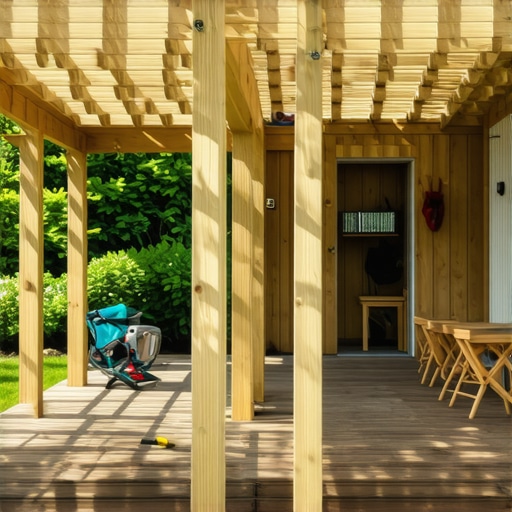
There was a Saturday afternoon I vividly remember—my muscles aching, sweat pouring down my brow, and the realization that I might have bitten off more than I could chew. I was trying to install a hefty pergola on my existing deck without proper framing support. The weight was incredible, and I worried it would cause my deck to bow or even collapse. In that moment, I knew I had to figure out a smarter, more secure way to frame this heavy outdoor feature.
Why Your Heavy Pergola Needs a Solid Frame
Building a pergola might seem straightforward—some wood here, some posts there. But when you’re dealing with a heavy structure, especially one that spans a large area or includes thick beams, your existing deck’s framing might not be enough. If you overlook proper support, you risk not only damaging your deck but also creating safety hazards for everyone enjoying your outdoor space. Trust me, I’ve learned the hard way that heavy pergolas demand more than just visual appeal—they require a solid, well-planned foundation that can handle the load.
Is Framing a Heavy Pergola Actually Worth the Hype?
Early on, I thought I could save some time and money by using the existing deck framing without extra reinforcement. Turns out, that was a mistake I won’t repeat. I underestimated how much weight the pergola’s beams and roof elements would add—especially if you opt for thicker, more durable materials like cedar or composite components. Proper framing ensures not just longevity but also safety and stability, so your outdoor sanctuary remains intact for years to come. To dive deeper into framing options that maximize stability, check out this guide on custom outdoor framing ideas.
But how do you actually go about reinforcing your existing deck to support such weight? That’s precisely what I’ll walk you through—using my experience as a guide—so you avoid common pitfalls and build a pergola that’s both beautiful and safe.
Now, before we jump into the technicalities, ask yourself: Have you ever faced the challenge of supporting a heavy structure on your deck? If yes, stay with me. We’re about to turn your dilemma into a straightforward plan that you can customize for your needs.
!
Assess Your Existing Deck Structure
Before diving into reinforcement, evaluate your deck’s current framing. Use a measuring tape and a level to check post heights and look for signs of sagging or instability. For example, I once found a wobbly post that felt firm when tapped but shifted under weight, indicating hidden issues. Document all weak points to target your reinforcement efforts effectively.
Identify Load-Bearing Components
Understand which parts bear the weight. The primary elements are the posts, beams, and joists. Draw a rough diagram of your deck and mark these components. This visual help is like a map—guiding you on where to add support. Remember, the heavier the pergola, the more robust these components need to be. If your deck’s framing isn’t sufficient, consider upgrading to double headers or thicker joists.
Strengthen the Foundation with Additional Supports
Adding vertical supports is akin to giving your deck a backbone. Install extra support posts beneath existing beams, anchoring them securely into concrete footings. Use post anchors and ensure they are above frost line to prevent shifting. I once drilled new holes, poured quick-setting concrete, and attached posts with heavy-duty brackets, resulting in a dramatically more stable frame. For guidance on footing installation, check out this expert advice.
Upgrade Joists and Beams
If your existing joists are undersized, replace or sister them with 2×12 or even engineered wood for extra strength. Think of joists as the ribs of your deck—thicker ribs add resilience. When I replaced sagging joists, I doubled some with additional sister joists, which shared the load evenly. This method is straightforward and effective, especially when supporting heavy loads like a substantial pergola.
Reinforce the Ledger Board Connection
The ledger is the critical link between your home and deck. Ensure it’s secured with corrosion-resistant lag bolts spaced closely, and add flashing to prevent water intrusion. A loose ledger is a common weak point—replace rusted fasteners and seal gaps. I used stainless-steel bolts and a high-quality flashing strip, which proved vital when supporting a heavy attachment like a pergola.
Consider Professional Assistance
While DIY reinforcement is feasible, consulting a professional deck builder ensures safety and compliance with local codes. They may suggest cross-bracing or steel brackets for extra support. My experience with a licensed contractor led to a more predictable, long-lasting structure, especially when adding significant weight.
Selecting Suitable Materials for Heavy Loads
Opt for composite or pressure-treated lumber rated for heavy loads. These materials resist rot and bending better over time. When choosing, consider trends like mineral core decking, which adds durability near water or in high-moisture zones. My recent project utilized elevated-grade composite boards combined with steel reinforcement, resulting in a deck that confidently supports a heavy pergola and maintains aesthetic appeal.
Keep in mind, proper reinforcement not only enhances safety but also prolongs your deck’s lifespan, allowing you to enjoy your outdoor living space with peace of mind. For design inspiration and innovative materials, explore latest decking trends.
Planning for Stairs and Entry Stability
If your pergola sits above stairs, reinforce the support structures accordingly. Secure stringers and risers with weatherproof fasteners, ensuring steps are level and solid. I once adjusted stair stringers by pre-drilling and using galvanized steel brackets, which eliminated bounce and wobble. When designing stairs, think of them as the bridge between your deck and yard—must support weight reliably and safely. For stylish and secure solutions, review stair reinforcement techniques.
Smoothing Out Surface for Heavy Use
Finish with a non-slip coating or textured surface, especially if your deck or stairs will be used frequently or in wet conditions. Precise fastening—using stainless-steel screws and staggered joints—prevents gaps and ensures durability. I experienced a sliding accident on untreated composite, so I now always opt for anti-slip treatments. These small details make a big difference in safety and longevity.
By following these steps, you turn a fragile foundation into a sturdy platform capable of supporting a hefty pergola. The key is combining structural understanding with quality materials and professional insights, ensuring your outdoor haven is safe and beautiful for years to come. For comprehensive project planning, consider reaching out at our contact page.
Many homeowners assume that selecting the right composite decking or a skilled deck builder is a straightforward choice, but the reality is far more nuanced. A common myth is that all composite materials are equal—yet, in my experience, choosing the wrong type can lead to premature fading, warping, or even structural failure. For example, lower-quality composites lacking UV resistant additives tend to discolor quickly, undermining your aesthetic goals. Beyond material selection, a frequent oversight is underestimating the importance of precise stair design, which directly impacts safety and usability. Incorrectly spaced or improperly supported stairs can cause wobbling, creating hazards that are often overlooked until it’s too late. In fact, studies indicate that stairs are one of the most common points of failure in outdoor structures, mainly due to poor support and inadequate framing.
Keeping Your Deck in Prime Condition
Investing in the right tools is essential to ensuring your composite decking and outdoor living spaces remain durable and visually appealing over time. I personally rely on a selection of specialized equipment that allows me to perform maintenance efficiently and effectively, extending the lifespan of my decks and stairs.
Power Washers for Gentle Cleaning
One of my top essentials is a high-quality pressure washer with adjustable settings. I opt for models that offer a maximum of 2,500 PSI because they provide enough power to remove dirt and algae without damaging composite surfaces. Look for units with variable spray nozzles to target different areas—wide spray tips for general cleaning and pinpoint nozzles for stubborn stains. Regular gentle washes prevent mold buildup and keep the color vibrant, especially in high-moisture zones. For specific cleaning techniques, I follow tips from this expert guide.
Soft-Bristle Deck Brushes for Preservation
For scrubbing, I use soft-bristle deck brushes that won’t scratch the surface. Metal brushes might seem tempting for stubborn grime, but they risk peeling or gouging composite boards. My preferred tool has a long handle, allowing me to reach into tight corners and stairs comfortably. A thorough, gentle scrub with these brushes keeps the deck looking new while maintaining its integrity.
Digital Levels and Laser Tools for Precision
Maintaining a level deck foundation is crucial. I frequently use digital laser levels to ensure posts and stairs are perfectly plumb. These devices provide quick, accurate readings, saving time and reducing guesswork. When aligning new support posts or adjusting existing ones, laser tools help me achieve a level surface that’s both safe and visually harmonious. For detailed measurements, I trust the laser level recommendations.
Sealant and Repair Kits for Long-Term Care
To combat weathering, I carry a selection of sealants formulated for composite materials. Applying a clear, UV-resistant sealant every few years protects against fading and moisture ingress. Repair kits that include replacement fasteners and brackets are also vital—they allow quick fixes without needing to dismantle large sections. Performing regular inspections and applying these maintenance products prevents small issues from becoming costly problems.
Looking ahead, technology continues to evolve—expect smarter, more integrated cleaning systems and durable, self-healing materials for outdoor living. Staying updated with latest innovations can help you stay ahead of wear and tear. You can explore trends such as mineral core decking, which offers superior weather resistance, by visiting this comprehensive overview.
How do I keep my outdoor living space working smoothly?
Routine maintenance is key. Schedule biannual deep cleans using your pressure washer and inspect support structures for signs of wear. Investing in quality tools like laser levels and durable cleaning brushes makes a real difference in maintaining safety and appearance. Don’t forget to regularly reapply protective sealants and replace worn fasteners—these small steps pay off by preventing significant repairs later. For more detailed advice on structural support and design, consider consulting a professional deck builder through this contact page. Remember, a well-maintained deck is not just beautiful—it’s safe, functional, and ready to host outdoor memories for years to come. Try implementing a comprehensive maintenance plan with these tools, and you’ll discover just how long your investment can truly last.
Lessons That Changed My Approach to Outdoor Building
- Never underestimate the load weight of a heavy pergola; what looks sturdy can hide hidden weaknesses. My experience showed me that even a seemingly solid deck needs reinforcement when supporting substantial structures.
- Assessing your existing deck thoroughly is crucial. A simple wobble or sag can indicate deeper issues that require more than just superficial fixes. Learning to read these signs early saves time and money.
- Investing in quality supports and materials pays off. I discovered that double joists and steel brackets are game-changers for long-term stability, especially under significant weight.
- Consulting professionals isn’t a sign of weakness but a smart strategy. Their expertise can highlight support options I hadn’t considered, ensuring safety and compliance.
- Legacy materials like composite decking, when combined with proper framing, can support beautiful outdoor spaces for decades. The right choices make all the difference in durability and safety.
Tools and Resources That Make Reinforcement Easier
- Laser Levels: Precision in measuring post heights is non-negotiable, and laser levels provide quick, accurate results. I trust the laser level recommendations for all my projects.
- Heavy-Duty Fasteners: Stainless-steel bolts and anchors resist corrosion and give peace of mind. My go-to source for fasteners is a reputable supplier I’ve used for years.
- Support Post Mix: Concrete footings poured with quick-setting post mix ensure stability. It’s simple but effective—just like I learned through trial and error.
- Professional Guidance: Partnering with a licensed deck builder helps tailor reinforcement strategies to your specific deck. The expert insights are invaluable.
Rise to the Challenge and Build Confidently
Embarking on reinforcing your deck for a heavy pergola might seem daunting, but with the right knowledge and tools, it transforms into a rewarding project. Confidence grows as you see your outdoor space evolve into a safe, stunning haven that withstands the test of time. Remember, every successful build starts with a solid plan—so take action today and turn your outdoor dreams into reality. Whether you’re considering the latest composite decking trends in 2025 or planning support reinforcements, I encourage you to dive in and make it happen. Your outdoor sanctuary awaits! Have you ever faced a similar challenge with heavy outdoor structures? Share your stories below—I’d love to hear your experiences.