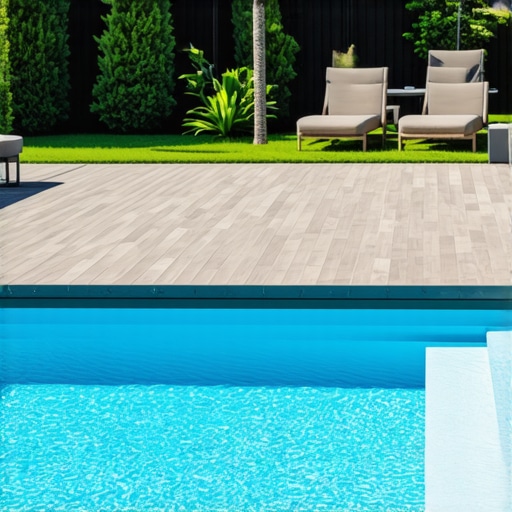
There was this moment, early last summer, when I was lounging by my pool, feeling the warm sun on my face. Suddenly, I noticed a few of my deck boards warping and showing signs of decay. It hit me—despite all the effort I put into choosing the right materials, I overlooked a critical factor: the core composition of my decking. That neglected detail led to a headache and an unexpected repair bill, spoiling what should have been a relaxing day. Have you ever faced similar frustrations with your outdoor deck, dealing with warped boards or frequent maintenance? If so, you’re not alone. That experience was my lightbulb moment, prompting me to dig deeper into alternative decking options that truly stand the test of time.
The Hidden Advantages of Mineral-Core Boards for Poolside Living
Traditional composite and wood decks are popular for their appearance and ease of installation, but they often fall short in durability when exposed to moisture, pool chemicals, and UV rays. This is where mineral-core boards come into play. Unlike typical composites with plastic or cellulose cores, mineral-core boards incorporate a mineral or aluminum oxide core, offering superior resistance to water, fire, and temperature fluctuations. As a result, your deck remains stable, safe, and looking great year after year without constant upkeep or replacements.
From my personal experience, investing in mineral-core decking is like choosing peace of mind over ongoing frustration. It’s a solution I wish I knew about earlier, especially considering how much outdoor living has become an extension of our homes. Don’t just take my word for it—industry experts have highlighted the fire-resistant qualities of mineral-core boards, making them especially suitable for outdoor areas prone to heat and sparks, like near BBQ setups or fire pits. According to Deck Design & Build, these boards reduce fire risk significantly while providing better structural integrity.
Are you tired of replacing warped, faded, or compromised deck boards every few seasons? If so, this might be the change your outdoor space needs to last for generations instead of just a few years. Now, let’s explore some common concerns people have when considering mineral-core boards—starting with the biggest skeptics’ questions.
Is Mineral-Core Decking Actually Worth the Investment?
One mistake I made early on was underestimating the long-term savings that better materials can provide. Sure, mineral-core boards can cost more upfront, but their durability spares you from frequent repairs and replacements, saving time, money, and frustration in the long run. If you’d like to learn how to choose the best decking for your specific needs, check out this guide on selecting durable outdoor decking options. Upgrading your outdoor space with reliable materials is an investment in comfort and safety—well worth the initial expense.
Start with Precise Site Preparation
Clear your outdoor area of debris, plants, or any obstructions. Measure the space carefully, considering future expansion or added features. Use stakes and string to outline your deck’s perimeter, ensuring straight lines and correct angles—think of it like laying out a blueprint on the ground before building.
Choose the Right Foundation and Support
Install concrete footings below frost line to prevent shifting over seasons. Attach sturdy concrete piers or beams that can bear the weight of mineral-core boards and furniture. This is akin to anchoring a boat’s hull; a solid base ensures stability and longevity.
Lay Out the Frame with Precision
Construct the joist framework using galvanized steel or pressure-treated lumber. Space joists according to manufacturer specifications—usually 16 inches on center for residential decks. Use a laser level like I did during my last project to ensure even heights. This step is like assembling a puzzle where every piece must fit perfectly to support the whole structure.
Install the Mineral-Core Boards Carefully
Begin at one corner, leaving a small gap (~1/8 inch) for expansion—this prevents warping. Screw the boards into the joists using corrosion-resistant fasteners, placing each screw about every 12 inches along the edge and center. When I replaced my warped deck boards, I used a power drill with a depth-stop bit to prevent over-penetration, which can weaken the fastener’s hold or damage the board.
Create a Seamless Look with Proper Spacing
Align each board carefully with consistent gaps to allow drainage and airflow. Use spacers if necessary. For corners and edges, cut boards precisely with a jigsaw or table saw—improving aesthetics and preventing trip hazards. I once had a miscut that I fixed by sanding down the edges for a smooth finish, saving the entire project from a look of amateurishness.
Secure and Finish Edges
Use trim boards or fascia to cover the raw edges, providing a professional appearance. Seal exposed cut ends with a silicone-based sealant to enhance water resistance. During my last installation, I painted the fascia to match the deck, adding a sleek look and extra protection against the elements.
Inspect and Maintain for Longevity
Regularly check fasteners, tighten any loose screws, and clean the surface to prevent mold and moss growth. A simple rinse with a garden hose helps remove debris and keeps your mineral-core deck looking new. Remember, consistent maintenance extends the lifespan of your investment significantly.
Many enthusiasts assume that selecting the most popular decking material or following generic guidelines guarantees a perfect outdoor setup. However, as an experienced deck builder, I can tell you that misconceptions, if unchallenged, can lead to costly mistakes. One common myth is that composite decking is completely maintenance-free; in reality, some low-quality composites can warp or fade without proper choice and installation. Additionally, many overlook the crucial role of correct stair design—not just for aesthetics but for safety and code compliance. The difference is subtle but significant, especially when you consider that improperly designed stairs can cause accidents and liability issues.
Furthermore, there’s a misconception that all deck builders are equal; the truth is that skills, experience, and understanding of nuanced details—like the impact of climate on material longevity—vary widely. A notable trap is using fasteners that aren’t corrosion-resistant near the coast, which can lead to premature rusting and structural compromise. For example, stainless steel fasteners are a wise investment, especially in salty environments, as highlighted in expert studies.
When planning outdoor living, the devil is often in the details. For instance, the orientation and spacing of your deck’s boards can dramatically affect drainage and airflow, influencing long-term durability. Cutting corners here might seem economical initially but can cause issues like mold or warping over time. Also, neglecting proper flashing or drainage systems can result in water infiltration, undermining your foundation—something many overlook until it’s too late.
Advanced deck features like integrated lighting or custom stairs require meticulous planning to avoid pitfalls such as flickering lights or unstable steps. As an example, a simple miscalculation in stair stringer lengths can create uneven risers, affecting both safety and appearance. To prevent this, precise measurements and quality materials are essential—don’t underestimate the importance of professional guidance.
What most people get wrong about outdoor living is underestimating the importance of detailed planning and nuanced understanding of materials and techniques. A comprehensive approach—covering foundation, choice of materials, construction details, and finishing touches—ensures longevity and safety. If you’re interested in exploring innovative trends, I recommend checking out latest composite decking trends.
Have you ever fallen into this trap? Let me know in the comments.
Keep Your Deck in Peak Condition with the Right Tools
Maintaining a durable, beautiful outdoor deck requires the right equipment and a systematic approach. I personally swear by a high-quality cordless impact driver, like the Makita XDT16, because it provides the torque needed to fasten screws securely without stripping or damaging composite boards. Its lightweight design makes repetitive tasks less tiring during big projects. For finer adjustments, a digital angle finder helps ensure precise alignment of stairs and decking sections, preventing uneven surfaces that could cause safety hazards over time.
Essential Software for Planning and Maintenance
Proper planning and documentation go a long way. I recommend using SketchUp for designing your deck layout—its 3D modeling helps visualize the project and identify potential conflicts before construction. For ongoing maintenance scheduling, I use Task reminders on my smartphone, setting monthly alerts to inspect fasteners, check for water damage, and clean surfaces. Staying proactive with these routines extends your deck’s lifespan and maintains safety standards.
The Power of Methodical Approach for Long-Term Results
One method I’ve refined over years is a seasonal inspection routine combined with simple, effective tools. Every spring and fall, I walk the deck, checking for loose fasteners using a speed screwdriver to tighten screws. I also apply a quality water-repellent sealant with a brush or low-pressure sprayer; I prefer the Wagner Control Pro 150 sprayer because its adjustable pressure ensures even coverage without over-application. This disciplined approach prevents minor issues from escalating into costly repairs, saving both time and money in the long run.
Planning for Future Expansion or Scaling
If you’re thinking about expanding your outdoor living space, consider modular design principles early on. For example, using standardized support posts and joist spans allows easier addition of sections later. Tools like a laser distance measurer—such as the Bosch GLM 50 C—aids in accurate measurements that facilitate seamless extensions, minimizing rework. Embracing these technical details now pays off when scaling up your project, maintaining consistency and quality across your entire outdoor space.
How do I maintain my deck’s appearance and safety over time?
Consistent inspections using simple tools like impact drivers, laser measure, and digital angle finders help detect early signs of wear, warping, or loose fasteners. Regular cleaning with a stiff-bristled brush and a mild cleaner prevents buildup of mold or algae. Experimenting with applying a fresh coat of protective sealant annually is also highly effective—just ensure you follow manufacturer instructions closely. These proactive steps, combined with using reliable hardware like corrosion-resistant fasteners, will keep your deck beautiful and safe for years to come. For an in-depth look at the latest trends in composite decking, check out this guide. Don’t hesitate to try out some of these expert-recommended tools on your next project—your future self will thank you!
Lessons from the Build: Small Details, Big Impact
One surprising insight I gained was how critical proper fastener choice is. Using corrosion-resistant screws might seem trivial, but it prevented rust stains and structural issues down the line. Also, I underestimated the importance of leaving expansion gaps; neglecting this simple detail led to warping in my first boards. Lastly, taking the time to accurately measure and mark every cut before installation saved me countless headaches—and I learned that patience truly pays off in outdoor projects.
Tools and Resources That Elevated My Decking Journey
My go-to tools include a laser level to ensure perfect alignment, a high-quality impact driver like the Makita XDT16 for secure fastening, and a digital angle finder to get stairs just right. When it comes to planning and maintenance, I rely on SketchUp for design visualization and Task Reminder apps to schedule inspections. For expert insights, I always consult this comprehensive guide on decking trends—it’s been invaluable in keeping my outdoor space modern and durable.
Keep Paving Your Path Towards Outdoor Excellence
Remember, building or renovating your outdoor space is a journey, not just a project. With the right knowledge, tools, and a dash of patience, your deck can become a safe, stunning retreat for years to come. Don’t wait for the perfect moment—start planning your transformation today and create a backyard oasis that reflects your style and values. What small detail are you planning to focus on for your next deck upgrade? Share below—I’d love to hear about your ideas!
,