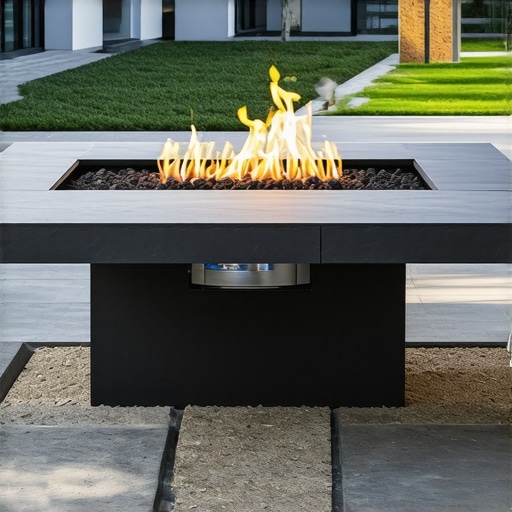
I remember the exact moment I realized my outdoor space was missing something essential—a cozy fire feature. Excited about my new fire table, I eagerly wired it up, only to find that the visible gas line looked out of place, like an ugly scar disrupting my carefully designed backyard oasis. That lightbulb moment made me realize: hiding that gas line wasn’t just a matter of aesthetics; it was about creating a seamless outdoor experience that invited comfort and style. If you’ve ever felt that pang of disappointment whenever you see an unwanted pipe sticking out during your backyard gatherings, you’re not alone.
The Challenge of Concealing Gas Lines
Outfitting an outdoor living space with a fire table is one of the best ways to extend your season and add ambiance. But often, the gas line installation becomes a bit of an eyesore. Early in my project, I made the mistake of leaving the line exposed and reactive. Instead of enhancing my space, it cluttered the look, making my entire design feel unfinished. After that, I vowed to find a solution that was both durable and attractive. Today, I want to share how you can cleverly hide that gas line and keep your outdoor area looking polished and inviting.
Are Hiding Gas Lines Worth the Extra Effort?
My biggest initial skeptic was whether concealing the gas line would be worth the additional effort and expense. I worried about safety, accessibility, and whether it would stand up to the elements. Interestingly, a study by the National Fire Protection Association highlights the importance of proper installation and concealment for safety and aesthetic reasons—just because something’s hidden doesn’t mean it’s less safe, but it does require a smart approach to avoid future issues. Early on, I also learned that rushing the concealment without proper planning led to costly fixes later. Proper planning isn’t just about looks; it’s about preventing hazards and maintaining the longevity of your installation. If you’re wondering whether hiding the gas line is a worthwhile move, trust me, it is—especially when done right.
Plan Your Concealment Strategy
Start by sketching your outdoor space, noting where the gas lines run and identifying potential hiding spots such as beneath decking, behind built-in planters, or within decorative fencing. I learned this the hard way when I drew my plan on a scrap of paper, which helped me visualize how to integrate the gas line into my existing design without making it a focal point.
Choose the Right Covering Materials
Opt for durable, weather-resistant materials like PVC sleeves, metal conduit, or composite wraps. When I replaced my exposed line, I used a white PVC conduit that matched my deck’s trim, blending functionality with style. Selecting materials that match or complement your outdoor decor makes the concealment look intentional rather than haphazard.
Prepare the Path for Concealment
Before installation, ensure the gas line is properly isolated and shut off. Dig narrow trenches if running underground or create channels beneath existing structures. I used a hand trowel to carefully carve out a shallow path beneath my deck joists, avoiding existing cables and pipes. Proper preparation prevents future damage and maintains safety standards.
Install the Covering Securely
Lay the conduit or cover along the predetermined route, anchoring it securely at intervals with clamps or clips. Use stainless steel brackets near the connection points to prevent wobbling. During my project, I ensured each segment was tightly fastened, which prevented squeaks and kept everything neat. Proper anchoring also makes future access easier if repairs are needed.
Conceal Hinges and Access Points
If your gas line requires servicing, include access panels or hinged covers that blend seamlessly into your design. I installed a little latch behind a decorative fence panel, allowing easy access without disrupting the aesthetic. Remember, safety dictates that access points be secure yet reachable for inspections or emergencies.
Test and Finalize the Installation
Once integrated, turn the gas supply back on and check for leaks using a soap solution. Keep a close eye on connection points during the first few uses. I conducted multiple tests, rubbing soap over the fittings, which bubbled when there was a leak, prompting me to tighten the fittings further. This step is critical to ensure safety and proper operation.
Maintain Your Hidden Gas Lines
Regular inspections and keeping the concealment materials clean prevent wear and corrosion. Periodically check for cracks or signs of damage, especially after harsh weather. I set a reminder to inspect the area every spring, helping me catch issues early and prolong the life of my setup.
When it comes to designing and building outdoor spaces, many enthusiasts and even seasoned contractors fall prey to common misconceptions about composite decking, stairs, and overall outdoor aesthetics. As an expert in outdoor construction, I can tell you that understanding these nuances is crucial to avoiding costly mistakes and achieving a flawless result. So, let’s dig deeper into what most people get wrong about these topics and how you can sidestep these pitfalls.
Myth Busting: Composite Decking Isn’t Just About Looks
One widespread misconception is that choosing the prettiest composite decking boards guarantees a lasting, low-maintenance surface. In reality, not all composites behave the same under varying conditions. For instance, some lower-quality composites tend to warp, fade unevenly, or develop mold if not properly selected or installed. I’ve seen projects where homeowners expected vibrant colors to last for decades, only to face premature fading due to inadequate UV resistance. Don’t rely solely on visual appeal; always check the latest trends and material reviews to choose durable, well-formulated composite options.
The Overlooked Impact of Proper Stair Design
Stairs are often viewed as a functional necessity, but they are also a vital safety feature that defines the harmony of your outdoor space. A common mistake is ignoring the importance of consistent riser heights and tread depths. Small discrepancies can make walking on stairs feel awkward or even dangerous, especially over time. Investing in precise measurements and understanding the latest stair design innovations ensures safety and visual appeal. Remember, properly designed stairs don’t just look good—they make your space accessible and comfortable for all users.
Why Cutting Corners on Materials Can Backfire
Cutting costs by opting for cheaper fasteners or incomplete sealing methods often leads to long-term issues like rusting, corrosion, or compromised structural integrity. For example, using nails instead of stainless steel screws can cause the boards or railing to loosen over time, especially near coastal environments. This is why I always recommend choosing high-quality fasteners and following best practices outlined by professionals. A little extra investment upfront prevents headaches later and ensures your outdoor space remains pristine and safe—learn more about this at this reliable fix for loose railings.
Is There a Risk to Over-Designing Outdoor Spaces?
Thinking more elaborate always means better, but over-complicating your design can lead to maintenance nightmares. Complex railing systems, overly intricate stairs, or excessive decorative features might look stunning at first, but they often require more upkeep and can introduce unforeseen structural issues. A balanced approach—focusing on functionality, safety, and simplicity—will yield higher satisfaction. To see how to maximize your space efficiently, explore this guide that emphasizes practical design without overdoing it.
In conclusion, going beyond surface-level choices by understanding these nuances can elevate your outdoor living significantly. Have you ever fallen into this trap? Let me know in the comments, and if you’re ready to take your deck to the next level, consider consulting a professional deck builder who knows these details inside out—see how they can turn your vision into reality here.
Maintaining a beautiful and durable outdoor space requires the right tools and a strategic approach. Over years of working with composite decking and outdoor structures, I’ve found that investing in quality equipment and software not only simplifies maintenance but extends the lifespan of your deck and stairs. A good starting point for any serious DIYer or professional is having a laser level. I use my laser level daily to ensure that deck posts and stairs stay perfectly aligned, which is crucial for safety and visual appeal. Unlike traditional bubble levels, laser levels provide quick, accurate readings over large distances, saving time and reducing errors.
Beyond leveling tools, specialized cleaning equipment can make routine maintenance more effective. I recommend a high-pressure washer with adjustable nozzles. It’s perfect for removing dirt and algae from composite boards without damaging the surface. However, you must use it carefully—adjust the pressure to avoid indentations or stripping away surface layers. I’ve learned that over-pressurizing can cause more harm than good, so I always pair my washer with soft wash brushes for stubborn spots.
For ongoing inspection and checking structural integrity, I rely on digital inspection cameras—compact, handheld devices that let me peek beneath the deck surface without dismantling parts. These tools help detect moisture intrusion or wood rot early, especially around hidden fasteners or beneath stairs. Early detection is critical, as neglecting small issues can lead to costly repairs or hazards down the line.
How do I maintain my outdoor space over time?
Regular inspections combined with professional-grade tools are key. I schedule biannual reviews, focusing on fastener tightness, surface integrity, and drainage effectiveness. Automated software, like project management apps tailored for contractors, helps track these inspections and reminds me of upcoming maintenance tasks. For example, using cutting-edge planning tools allows me to forecast wear patterns based on weather data and usage, proactively addressing issues before they escalate.
Furthermore, protecting your deck from the elements is essential. I recommend applying a high-quality, UV-resistant sealant annually. Though composite decking generally requires less upkeep, areas exposed to harsh sun and rain benefit from these protective coatings to maintain color and prevent surface cracking. Remember, a well-maintained deck not only looks great but retains its structural integrity for decades.
Looking ahead, trends suggest that integrating smart sensors into outdoor structures will become common. These devices can monitor moisture levels, temperature fluctuations, and fastener corrosion in real-time, providing instant alerts via smartphone apps. Embracing these innovations could revolutionize long-term maintenance strategies, making them more efficient and less labor-intensive.
If you’re ready to elevate your maintenance routine, try installing smart moisture sensors near your stairs and beneath decks. They can give you early warnings about potential issues, saving you time and money and ensuring your outdoor oasis stays safe and stunning for years to come. For expert insights on choosing the right equipment for your project, consider reaching out to a professional deck builder through our contact page.

Over the years, I’ve learned that the smallest details can make or break the aesthetic of your outdoor haven. One lesson that stands out is the importance of hiding those unsightly gas lines, especially when installing fire features. The first time I left a gas line exposed, it became the unintended focal point, distracting from the overall design. That lightbulb moment taught me that meticulous concealment isn’t just about looks—it’s about creating a space where comfort and style go hand in hand. If you’ve ever felt the disappointment of an eyesore gas pipe disrupting your backyard vibe, you’re not alone, and there’s actually a way to turn this challenge into an opportunity for creative expression.
Lessons From the Field: Less Obvious Pitfalls of Gas Line Concealment
- Safety First, but Aesthetics Matter Too: I once tried to cut costs by using flimsy coverings, only to find that they rusted or cracked after a single season. Now, I prioritize durable, weather-resistant materials that blend seamlessly with my landscape, like composite wraps or powder-coated metals, ensuring safety and style are never sacrificed.
- Proximity Counts: During my early installations, I underestimated the importance of planning access points. Incorporating hidden hinges or removable panels allows for easy inspections and repairs without revealing the mechanics of your design. Trust me, this nuance saves headaches and keeps your space effortlessly beautiful.
- Running Underground Isn’t Always the Best Option: I learned that underground routing can be vulnerable to moisture damage or ground movement. Instead, running conduits along existing structures or beneath decking with proper clearance has proven more reliable and visually unobtrusive.
Building a Personal Toolkit for Flawless Outdoor Looks
- Quality Materials Are Non-Negotiable: For covering gas lines, I recommend high-grade PVC or metal conduit—these resist weathering and look polished. My go-to sources include trusted suppliers like reputable decking material providers who emphasize longevity and aesthetic compatibility.
- Smart Planning Software: Using design tools has helped me visualize concealment strategies before physical work begins, reducing mistakes and material waste. I personally rely on intuitive 3D modeling, which I sourced from industry leaders known for their user-friendly interfaces.
- Inspections and Maintenance Gear: Regular inspections using digital cameras and leak detection solutions keep my outdoor fire features safe and beautiful. These tools have saved me from costly repairs and ensured ongoing safety compliance.
Bring Your Vision to Life With Confidence
Embarking on the journey of hiding gas lines in your outdoor space might seem daunting at first, but equipped with the right insights and tools, you can craft a backyard that’s both stunning and safe. Investing in quality materials, clever design, and regular upkeep transforms a potential eyesore into a subtle detail that elevates your entire outdoor experience. Remember, the effort you put into concealment is an investment in tranquility and style—turning ordinary spaces into extraordinary retreats that you’ll enjoy for years to come. Have you ever struggled with hiding utilities in your outdoor projects? Share your experiences below, and let’s build beautiful spaces together.