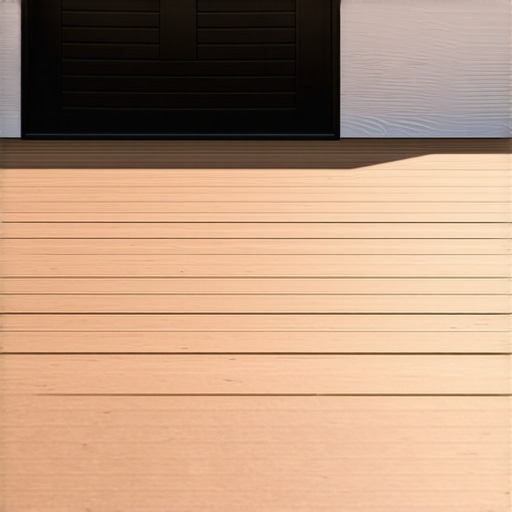
I remember the moment it hit me like a splash of cold water—my beautiful new deck was warping, and I couldn’t figure out why. After investing so much time and money into creating this outdoor oasis, seeing it bend and peel was frustrating. It was only later I discovered that a simple mistake I made early on had led to this disaster. I had overlooked the importance of a one-inch air gap behind my ledger board. That realization changed everything and saved me from costly repairs down the line.
The Quiet Danger of Skipping an Air Gap
If you’re like I was, you might think that pressing your ledger board flush against the house is all that matters. But the truth is, ignoring that crucial one-inch air space can lead to trapped moisture, wood rot, and even structural failure over time. The air gap acts as a barrier—allowing ventilation, reducing moisture accumulation, and ultimately extending the lifespan of your deck. Studies have shown that proper ventilation can significantly delay rot and decay, which are among the top reasons decks fail prematurely (source: North Carolina Forest Service).
Will a Tiny Gap Make a Big Difference?
Absolutely. It might seem insignificant, but those extra inches of space ensure airflow circulates behind your ledger, helping shed water and moisture. Without it, water can seep into areas meant to stay dry, creating a perfect environment for mold, wood rot, and even pest infestations. If you’re serious about protecting your investment and avoiding future headaches, understanding and implementing this simple but vital step is essential. Curious if you’ve faced similar issues? Do you ever look at your deck and worry about the weather’s toll? You’re not alone. Many homeowners find themselves in the same boat—until they learn the importance of that one-inch air gap.
What We’ll Cover Next
Now that I’ve shared why this tiny space matters so much, let’s dive into how to create the perfect airflow behind your ledger board. I’ll walk you through practical steps and tips that will help your deck stand the test of time. If you’re wondering about other common pitfalls or want tips on elevating your outdoor space, check out this guide on transforming your space. Ready to protect and perfect your outdoor setup? Let’s get started!
,
Prepare Your Tools and Materials
Start by gathering all necessary tools: a measuring tape, a level, a drill, structural screws, and spacers to maintain the air gap. Choose appropriate materials like treated lumber or composite spacers designed for venting. Having everything ready ensures a smooth process and prevents unnecessary interruptions, as I learned during my first attempt where I kept running back and forth to the tool shed, causing delays and frustration.
Measure and Mark the Ventilation Gap
Use a measuring tape to mark a consistent one-inch space between the ledger board and the house wall along the entire length. This ensures uniform airflow and prevents moisture trapping. I once overlooked this step on a small section, and it resulted in a slight cavity that accumulated debris, leading to persistent moisture issues—an easy mistake that cost me time fixing later.
Accommodate Variations in Wall Surface
If the wall isn’t perfectly flat, adjust your spacers accordingly to maintain a steady air gap, even if it means varying spacer thickness. This is crucial in real-world applications where walls are often uneven, as I discovered when I had to remeasure after some parts didn’t align properly, preventing future water pooling.
Attach the Ledger Board Correctly
Use corrosion-resistant screws, like galvanized or stainless steel, to secure the ledger. Pre-drill holes to prevent splitting. Insert spacers between the ledger and the wall to maintain the airflow. When I first did this step, I found that pressing the spacers in tightly helped keep them in place during fastening, ensuring the gap remained consistent—vital for proper drainage and ventilation.
Ensure Proper Drainage and Ventilation
Verify that the space allows for airflow, which facilitates evaporation of trapped moisture. Check by inserting a small mirror or fan to see if air moves freely. I found that regularly inspecting this area prevents mold buildup and extends the deck’s lifespan. Remember, neglecting this can turn your outdoor space into a breeding ground for rot and pests.
Seal and Protect the Connection
Apply flashing tape and sealants as needed to prevent water infiltration around the ledger. This combination directs water away from the wall and maintains dryness behind the ledger. During my project, I used a high-quality flashing tape, which I found essential for sealing gaps effectively, especially in areas with heavy rain—delaying future rot issues significantly.
Final Inspection and Adjustment
Once installed, double-check the spacing, fastening, and sealing. Make adjustments as needed to ensure the gap is consistent and unblocked. Regular maintenance of this area, such as clearing debris and inspecting seals, helps prolong your deck’s integrity, a lesson I learned after neglecting this and facing costly repairs years later.
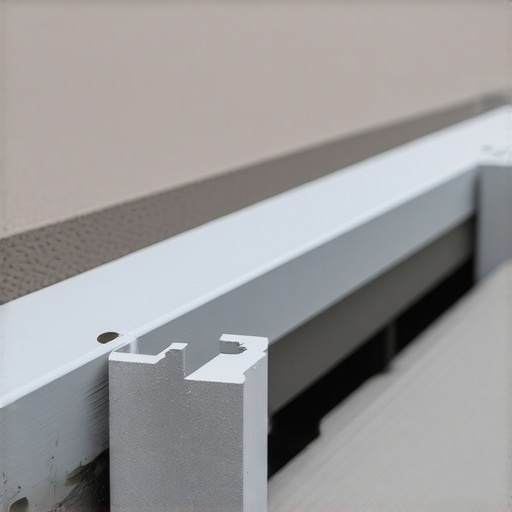 When homeowners embark on outdoor projects, common advice often circulates, but reputable experts know there’s more beneath the surface.
Why Believing Everything You Hear About Composite Decking Can Backfire
Many believe that composite decking requires no maintenance, but in reality, overlooking proper drainage and cleaning can lead to mold and warping over time. Contrary to popular assumptions, not all composite boards are created equal; some absorb stains or discolor faster if you choose subpar materials, emphasizing the importance of selecting quality options as discussed in this expert guide.
Advanced Stair Design Mistakes That Compromise Safety
Common errors include inconsistent riser heights and improper handrail placement, which may seem minor but significantly impact stability. A crucial nuance often missed is ensuring the open sides of stairs are well-lit and designed with slip-resistant treads, especially in climates with frequent rain—something I learned after slipping on slick stairs myself. Properly designed stairs not only enhance safety but elevate the overall aesthetic, which you can explore in this detailed resource.
What makes outdoor living truly luxurious? It’s about nuance, not just furniture and decor
Many think adding a few chairs and a table suffices, but the secret lies in thoughtful layout, lighting, and climate control. Overlooking these details can result in outdoor spaces that feel cluttered or uncomfortable. Advanced homeowners integrate hidden drainage solutions and smart lighting systems that extend usability into late evenings, as I detail in this article.
Deepening Your Knowledge: Which deck materials stand the test of time and elements?
Choosing between treated wood, cedar, or composite depends on your climate and maintenance willingness. Don’t fall for myths that pressure-treated wood is always the cheapest; in some scenarios, investing in high-quality composite can save money long-term. External studies, such as from the North Carolina Forest Service, show that understanding material decay rates is essential for durability.
Have you ever fallen into this trap? Let me know in the comments and share your experience. Mastering these nuances can truly elevate your outdoor living spaces from ordinary to extraordinary—so keep questioning and keep learning!

Maintaining a durable, beautiful deck requires more than just initial construction; it hinges on the right tools and consistent oversight. Over the years, I’ve refined my toolkit to include specialized equipment that ensures precision and longevity. One staple in my arsenal is a laser level, which I use to set post heights accurately and prevent uneven surfaces that can cause water pooling and wood rot. Investing in a quality laser level, like the Bosch GLL 55, has been a game-changer, allowing me to work swiftly and with confidence.
Another essential piece is a cordless impact driver fitted with corrosion-resistant bits. This setup makes fastening deck boards and rails faster and reduces the risk of stripping screws, especially when dealing with composite materials that demand high torque. I prefer stainless steel fasteners combined with this tool to prevent staining or rust—critical elements that can compromise the integrity of outdoor structures over time. More detailed insights into fastener choices can be found in this article.
For ongoing maintenance, I rely on specialized cleaning tools, like soft-bristle brushes and misting systems, to keep debris and dirt at bay. Regularly pressure washing with eco-friendly cleaners prevents mold buildup, which is vital given that moisture is the leading factor in deck deterioration. Additionally, installing gutter extensions and ensuring proper drainage pathways complements the use of these tools, minimizing water exposure—an aspect discussed extensively in this guide.
Predicting where outdoor living is headed, I see a trend toward automation, such as smart lighting and integrated drainage management, becoming standard. As these become more accessible, maintaining your deck will evolve from routine to high-tech, allowing you to monitor conditions remotely and intervene before problems escalate. Staying updated with new tools and methods will ensure your outdoor space remains inviting and resilient for decades to come.
How do I keep my deck functioning smoothly over the long term? The key lies in combining the right equipment with diligent routine checks—think of it as an investment that pays dividends in safety and aesthetics. When tackling maintenance or upgrades, consider consulting a professional deck builder through this contact page for personalized advice or to explore innovative solutions like those outlined in these upcoming trends. Remember, a well-supported deck isn’t just about appearance; it’s about creating a safe, sustainable outdoor oasis that you can enjoy for years to come.
Over time, I realized that my most valuable lessons about deck builder,composite decking,stairs,outdoor living didn’t come from guides or tutorials—they came from trial, error, and honest reflection. One of the hardest lessons was understanding that even small oversights, like neglecting proper ventilation, can snowball into significant problems. It taught me the importance of vigilance and continuous learning in maintaining a beautiful, durable outdoor space.
Lessons That Changed My Approach to Outdoor Living
- Patience Over Speed: Rushing through details like airflow or fastening can lead to costly mistakes. Taking time to measure and double-check has saved me headaches and money.
- Prioritize Quality Over Convenience: Skimping on fasteners or materials might seem tempting but can compromise the entire project. Investing in reliable tools and components pays dividends in longevity.
- Think Like a Weather Forecaster: Anticipating weather patterns and designing for proper drainage and ventilation ensures your deck stands strong through seasons.
- Continuous Maintenance Matters: Regular inspections and cleaning are not optional—they’re essential for catching issues early and prolonging your deck’s life.
- Consult Experts When Uncertain: Sometimes, reaching out to professional deck builders through this contact page provides personalized insights that DIY can’t match.
Tools and Resources That Keep My Deck in Prime Condition
- Laser Level:** Using a laser level like the Bosch GLL 55 ensures precise post heights, preventing uneven surfaces that cause water pooling.
- Corrosion-Resistant Fasteners: Stainless steel screws are worth the investment for resisting rust and maintaining structural integrity over decades.
- Eco-Friendly Cleaners: Regular pressure washing with quality cleaners keeps mold at bay, crucial in moisture-prone environments.
- Gutter Extensions and Drainage Solutions: These help direct water away from the deck, reducing rot risks and extending lifespan.
- Consultation Professionals: Collaborating with experienced deck builders, as detailed in this resource, can save you time and ensure safety standards are met.
Your Next Step Toward a Resilient Outdoor Space
Building or maintaining a deck that lasts years isn’t about luck—it’s about applying proven principles and embracing continuous learning. Your outdoor living area deserves that extra attention, transforming it into a safe, beautiful sanctuary for years to come. Don’t shy away from exploring new techniques or consulting professionals; each step reinforces your commitment to quality and resilience. Dive deeper into innovative outdoor designs with this guide on future trends, and let your outdoor space evolve into something extraordinary.
Have you encountered unexpected issues with your deck or outdoor stairs? Share your experiences below—I’d love to hear what’s worked or what challenges you’ve faced in creating your perfect outdoor oasis!