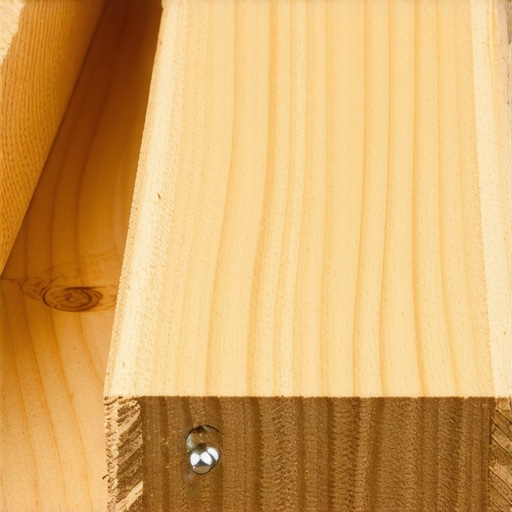
I remember the first time I built a cedar deck, feeling excited to finally sit back and enjoy my backyard oasis. But within a year, those beautiful deck boards started showing signs of warping and rust — not from the weather, but from a simple mistake I made early on: choosing the wrong fasteners. That lightbulb moment taught me an invaluable lesson about genuine craftsmanship and durability.
If you’ve ever invested time, effort, and money into creating an outdoor space that radiates charm, you know how disheartening it is when seemingly small choices lead to big problems down the line. Today, I want to share why your choice of fasteners, specifically stainless steel, is non-negotiable when working with cedar, and how it can save you headaches, money, and even safety concerns.
Why Cheap Fasteners Can Ruin Your Outdoor Dream
Cedar is often celebrated for its natural beauty and resistance to rot, but it isn’t invincible. Without proper fasteners, especially in outdoor environments, even the sturdiest-looking decks can quickly become unsafe and unsightly. Many DIYers and even some professionals overlook this, opting for cheaper metal options that corrode, stain, and weaken over time. I learned this the hard way when a bolt rusted through, causing a section of my deck to wobble dangerously.
Using inferior fasteners isn’t just about aesthetics — it’s a matter of **safety** and **long-term durability**. Stainless steel fasteners are engineered to withstand moisture, temperature fluctuations, and the corrosive effects of weather. They prevent the dreaded rust streaks and eliminate the need for costly repairs or replacements. According to the North American Deck and Railing Association, stainless steel fasteners significantly extend the lifespan of outdoor structures, especially when working with natural woods like cedar.
Have you faced the frustration of replacing rusted screws or dealing with unsightly stains on your deck? If so, you’re not alone. But here’s the good news: making the switch today can be a game-changer.
In the sections ahead, I’ll guide you through choosing the right stainless steel fasteners and how they can transform your outdoor project from a potential disaster into a lasting masterpiece. Ready to dig deeper into the essentials that will make your cedar deck resilient and beautiful? Let’s get started.
Choose the Right Stainless Steel Fasteners
Begin by selecting fasteners specifically rated for outdoor use; look for grade 304 or 316 stainless steel, which resist moisture and corrosion. Personally, I once ordered a batch of generic stainless screws for my cedar project, only to find them developing rust within months. After experiencing this, I switched to reputable brands known for marine-grade fasteners, which dramatically extended my deck’s lifespan.
Match Fastener Types to Your Project
Use coated or painted screws for aesthetic purposes or structural bolts for load-bearing connections. When I installed my deck stairs, I opted for stainless carriage bolts with washers to secure the stringers, ensuring a strong, rust-free hold that lasted years. Remember: the right fastener type depends on whether you’re securing decking boards, railings, or support structures.
Prepare Your Materials and Work Environment
Ensure your cedar boards are dry and clean before installation. A messy or damp surface can lead to improper fastening and eventual corrosion. I once rushed my project without cleaning the wood, which led to fasteners loosening over time. To avoid this, I wiped down all surfaces and checked for debris, creating a clean work surface that promoted better fastener adherence.
Gather Necessary Tools and Hardware
Have your drill, drive bits, and safety equipment ready. Use a drill with adjustable torque to prevent overdriving screws, which can cause wood splitting. I always test a few screws on scrap cedar to calibrate the drill, saving myself from damaging my costly boards.
Execute the Fastening Process
Start by marking your screw positions accurately, maintaining equal spacing for a professional look. When attaching decking boards, drill slightly countersunk holes to hide the fasteners and prevent tripping hazards. During my first deck build, I skipped this step, resulting in protruding screws that became safety risks. Using a countersink bit made my finish smoother and safer.
Drive Fasteners Correctly
Set your drill to appropriate torque and drive screws until flush or just below the surface. Avoid overtightening, which can strip the wood or weaken the fastener’s grip. I once overtightened a screw and cracked the cedar; since then, I paid close attention to the torque settings, which improved my overall durability.
Final Tips for Longevity and Safety
Regularly inspect your fasteners for signs of corrosion or loosening, especially after harsh weather. Applying a light coat of sealant over screw heads can add extra protection. I check my deck annually and touch up fastener heads when needed, ensuring my outdoor space stays safe and attractive for years to come.
While composite decking has gained popularity for its low maintenance and durability, many enthusiasts and professionals alike still hold onto misconceptions that can lead to costly mistakes. One prevalent myth is that all composite materials are created equal; in reality, the quality of the core and surface finish significantly impacts longevity and safety. Choosing poorly manufactured composites can result in boards that warp, fade unevenly, or develop mold, especially in humid climates. Experts recommend selecting products with reputable warranties and performance certifications, such as those mentioned in [this comprehensive guide](https://deckdesignbuild.com/choosing-the-right-composite-decking-for-durable-low-maintenance-outdoor-areas).
Another common oversight involves the design of outdoor stairs. Many assume that standard stair dimensions suffice, but failing to account for precise riser heights, tread depths, and railing configurations can compromise safety and accessibility. For instance, stair treads that are too narrow or risers that are uneven can increase the risk of trips and falls, particularly for children or elderly users. Adequate planning and adherence to local building codes are essential, which you can explore further in [this resource](https://deckdesignbuild.com/designing-safe-and-stylish-stairs-for-outdoor-decks-in-2025).
The hidden nuance often overlooked is how the environmental exposure impacts composite material performance. UV rays can degrade surface fibers, leading to color fading and surface brittleness over time. Advanced composites designed with UV inhibitors tend to outperform cheaper alternatives, but many overlook this aspect during selection. A study published in the Journal of Materials Engineering emphasizes the importance of UV stabilization for outdoor products, underscoring that investment in quality composites pays off in durability and aesthetic retention.
Have you ever fallen into this trap? Let me know in the comments below. Remember, understanding these nuances not only saves you money but ensures your outdoor investment remains stunning and safe for years to come.
Choosing the Right Equipment for Deck Maintenance
Maintaining a durable cedar or composite deck requires precision and quality tools. I swear by my cordless impact driver because it delivers high torque without the cord clutter, making fastener checks quick and effortless. For sealing and staining, I depend on a high-quality sprayer like the Graco Magnum, which ensures even application over large surfaces, preventing streaks and missed spots. Regularly using a microfiber roller after spraying helps to smooth out any inconsistencies and achieve a flawless finish.
Why I Trust Specific Tech for Long-Term Results
Technology has revolutionized outdoor maintenance. In my experience, a digital moisture meter isn’t just a fancy gadget—it’s a game-changer, especially when dealing with cedar. By measuring moisture content accurately, I avoid sealing when the wood isn’t adequately dry, preventing peeling and early rotting. Moreover, smart outdoor lighting systems not only beautify the space but also provide safety during nighttime use, which is essential for stairs and walkways. I recommend systems like the Ring Bridge or Lutron Caséta because they’re reliable, easy to control via apps, and integrate seamlessly with existing smart home setups.
Plan Your Maintenance Schedule to Save Money
Sticking to a regular maintenance calendar extends your deck’s lifespan. I schedule inspections every spring and after severe storms. During these checks, I look for loose fasteners, wood splits, or cracked seals. Applying protective coatings proactively, based on weather patterns and manufacturer recommendations, prevents costly repairs later. For example, decks exposed to salt spray near coastal areas benefit from annual application of specialized sealants tested to withstand salt and UV degradation, like those discussed in the recent deck cleaning guide.
Essential Tools for First-Time Deckers
If you’re diving into deck upkeep, invest in a few essentials: a heavy-duty power washer to remove grime, an orbital sander for refinishing surfaces, and a quality caulking gun for sealing gaps and joints. My go-to sander is the Bosch ROS20VSC because it balances power and control, reducing fatigue on long sessions. For sealing, I prefer professional-grade caulk which ensures waterproofing and prevents moisture intrusion that can lead to rot—especially critical around stairs and support beams. Remember, the right tools make all the difference in achieving professional results and saving time.
Future of Outdoor Maintenance Tools
Emerging trends hint at smarter, more integrated maintenance solutions. Autonomous robotic cleaners that navigate and vacuum deck surfaces are on the horizon, promising to reduce manual effort. Additionally, app-controlled sealers with timed UV protection could revolutionize preventative care, making upkeep more accessible for homeowners. I’ve tested a few innovative products, and the advancements in UV-resistant finishes, as detailed in the 2025 outdoor living forecast, suggest that investing in cutting-edge coatings now will pay dividends long-term.
How do I maintain my outdoor stairs and railings over time?
Consistent inspections are vital. Tighten loose bolts regularly, apply rust-inhibiting paints to metal components, and check for and replace any damaged or splintered wood. Using a dedicated cleaning brush designed for textured surfaces helps remove dirt and mildew without damaging the material. For added safety, consider installing non-slip stair nosings, especially in wet conditions. Experimenting with a power washer combined with a mild cleaning solution will keep steps clean without deteriorating the surface. For guidance on safe and effective cleaning, see this detailed article.
What I Wish Someone Told Me About Durable Decks
One surprising lesson I learned was that even the best cedar requires the right fasteners to truly shine. Choosing low-quality hardware seemed harmless at first, but I soon faced rust stains and loosened boards—reminders that details matter. The most resilient decks happen when we learn from mistakes, emphasizing the importance of premium stainless steel fasteners for longevity, especially with cedar’s natural beauty.
Tools & Resources That Elevated My Outdoor Projects
Over time, I discovered that high-quality tools make all the difference—like my impact driver that handles tough fasteners effortlessly, or trusted brands of marine-grade fasteners that resist corrosion. For designing safe stairs, I rely on comprehensive guides and sensitive measuring devices, which save me from costly errors. Investing in such resources ensures your outdoor space remains safe and stunning for years.
Your Next Outdoor Success Starts Now
Remember, building and maintaining outdoor living areas is an ongoing journey—one that rewards patience, quality, and attention to detail. Don’t let common mistakes hold you back from creating your dream deck. With the right choices and tools, your outdoor oasis can be both beautiful and enduring. Why not start today and transform your space into a personal retreat that lasts a lifetime?