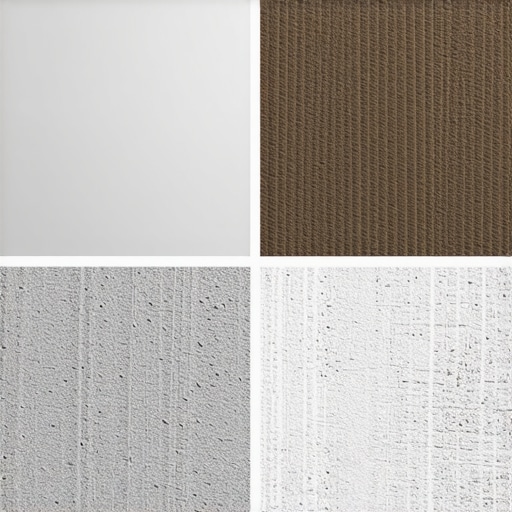
Imagine this: I was staring at a new deck project, tiles of composite in one hand, a sample of PVC in the other. All I could think was, “Which material will hold up over time, and which is easier to maintain?” That moment was a lightbulb for me. I realized that many homeowners, just like I did, get overwhelmed by the confusing array of choices when it comes to outdoor decking. The impact of choosing the wrong material can be frustrating—early fading, warping, or surface issues that ruin your outdoor oasis.
The good news? Over time, I’ve learned that selecting the right deck material doesn’t have to be a guessing game. Today, we’re going to dive into the differences between PVC and capped composite decking, based on real-world experience and expert insights. My promise is to help you make an informed decision that saves you time, money, and headaches down the road.
Deciphering the Decking Dilemma: Why Material Choice Matters So Much
Are PVC and Capped Composite Truly Different, or Is It Just Hype?
Early in my outdoor renovation journey, I made the mistake of assuming all composites were created equal. I thought that paying a little more would immediately guarantee a longer-lasting, vibrant deck. Boy, was I wrong. I learned that, while both materials offer low maintenance, their performance and durability can vary dramatically depending on the product quality and environmental conditions. According to a recent composite decking trends report, choosing the right material is pivotal for long-term satisfaction.
The truth is, the durability and appearance of your deck rely heavily on the choice between PVC and capped composite. PVC decking is inherently plastic, offering excellent water resistance and minimal fading, but it can feel a bit less authentic. Meanwhile, capped composite offers a wood-like appearance with enhanced stain and fade resistance, thanks to a protective outer layer. Knowing these differences is essential, especially if you plan to invest heavily in your outdoor space.
Switching gears, many homeowners worry about the cost and whether these materials actually live up to their promises. That’s a fair concern. I’ve seen peers spend thousands on what seemed like good deals, only to face early warping or staining. It’s all about understanding the trade-offs and making a wise selection based on your specific needs, climate, and budget.
Interested in how to evaluate the best option for your outdoor space? I’ve got practical tips that helped me—and I’m confident they’ll help you, too. But first, let’s look at a common skepticism among homeowners: is PVC or capped composite really worth the hype? Stay tuned, because this question hits the mark for many of us trying to get the most bang for our buck.
Assess Your Climate and Exposure to Elements
Start by analyzing your local weather conditions. For example, in my experience, a deck in a humid, salty coastal area faces different challenges than one in a dry, sunny climate. Consider how much sun, rain, snow, or salt exposure your deck will endure. This assessment helps determine whether PVC or capped composite will perform better for your specific conditions, as PVC’s water resistance shines in wet environments, while composite’s protective cap handles UV rays and staining better.
Set Your Priorities: Maintenance, Appearance, and Budget
Next, clarify what’s most important to you. Do you prefer a low-maintenance surface that requires minimal cleaning? Or is the wood-like appearance more appealing? I once prioritized durability over cost and chose a capped composite, which maintained its look with less effort. Recognizing these priorities sharpens your choice: PVC often offers the easiest maintenance, but composite decking provides a natural look with strong fade resistance.
Examine Product Quality and Certifications
Not all PVC or composite boards are equal. Always check for reputable certifications, warranty coverage, and manufacturer reputation. During my last project, I reviewed several brands and found that a high-quality PVC board with a robust warranty outperformed cheaper, lower-grade options that warped within two seasons. Use the expert guide to assess product specs and warranties.
Evaluate Ease of Installation and Compatibility
For example, I once attempted to install thin PVC planks without proper fasteners, leading to sagging—an expensive mistake. It’s crucial to ensure your chosen material aligns with your DIY skills or professional installation capabilities. Consult with a professional deck builder to understand the installation nuances and compatibility with your existing framing.
Sample Multiple Materials in Your Space
Whenever possible, get samples and test them in your outdoor space. I placed small test patches of both PVC and composite on my deck frame to see how each reacted to sun and weather over a few weeks. This micro-experiment revealed that my low-quality composite faded faster, while the PVC sample held its color and texture remarkably well, informing my final decision.
Review Maintenance and Cost Over the Long Term
Calculate the total cost of ownership, including initial expense, ongoing maintenance, and replacement costs. For me, the slightly higher upfront cost of premium PVC meant fewer maintenance chores and longer intervals between replacements, ultimately saving money and effort. Check specific maintenance routines at professional insight.
Schedule Expert Consultation
Finally, don’t hesitate to get a professional opinion. I scheduled a consultation with a deck specialist who provided invaluable insights into material longevity and installation techniques. Their advice, combined with my research, made my choice more confident and precise.
When it comes to designing outdoor living spaces, there’s a wealth of misinformation and overlooked details that can trip up even experienced homeowners. One pervasive misconception is that all deck materials behave similarly over time. In reality, many underestimate how factors like climate, foot traffic, and maintenance routines influence the longevity of different materials. For example, some assume that capped composite decks are maintenance-free, but neglect to realize that improper sealing or cleaning can still cause staining or surface wear. This misunderstanding can lead to costly repairs sooner than expected.
Additionally, a frequent trap is the belief that decking installation is a straightforward task suitable for DIYers. While some projects seem simple at first glance, the nuances of proper framing, ventilation, and drainage are critical for durability and safety. Skipping these steps or rushing installation can result in warped boards, weak structural support, or even safety hazards. For insightful advice on working with professionals, check out https://deckdesignbuild.com/the-benefits-of-working-with-a-professional-deck-builder-in-your-outdoor-projects.
A less obvious but crucial detail involves the design of stairs. Many overlook the importance of tread width and riser height, which impacts not just aesthetics but safety. For example, wider treads facilitate easier foot placement, especially for elders or children. But beyond these basics, the subtle angle of stair stringers influences overall stability. An advanced tip is to incorporate proper ventilation and drainage beneath stairs to prevent rot—something I learned through trial and error and now highly recommend avoiding shortcuts.
Scrutinizing your choice of deck builder is another critical step often underestimated. Homeowners frequently prioritize cost over expertise, but as noted in https://deckdesignbuild.com/deck-builder-insights-designing-your-dream-outdoor-space, an experienced builder brings knowledge of nuanced crown molding, material compatibility, and code-compliant designs that ensure safety and long-term satisfaction. Choosing a builder solely based on price might save money upfront but could lead to expensive remedial work later.
Lastly, many are surprised by how the subtle details, like proper flashing and ledger board installation, can prevent leaks and water damage—issues that are often dismissed during initial planning. A small overlooked detail can cause significant problems, which is why thorough planning and consultation with experts are invaluable. As we wrap up, ask yourself: are you aware of these hidden nuances that could make or break your outdoor project? If not, it’s time to dig deeper. Have you ever fallen into this trap? Let me know in the comments.Keeping your deck in top shape requires the right tools and a proactive maintenance routine. One of my favorite investments is a high-quality cordless power washer, like the Sun Joe SPX3000, which makes removing dirt and grime quick and effortless without damaging the surface. Pair it with a gentle cleaning solution tailored for composite or PVC materials, such as CorteClean, to preserve the finish and color. Regularly inspecting and tightening fasteners with a magnetic bits screwdriver ensures that your deck remains sturdy and safe over time. For ongoing protection, applying a dedicated deck sealer or UV protective coating annually, using products recommended by experts like professional deck builders, can extend its lifespan and keep it looking vibrant. In the future, I predict smart monitoring systems integrated into decks will become commonplace, alerting homeowners to issues like moisture intrusion before they escalate. So, try using a power washer with a gentle cleaning solution this weekend and see how much easier maintaining your outdoor oasis can be—your deck will thank you for it!
Lessons I Wish I Practiced Earlier in Deck Building
- Trusting Surface Looks Over Structural Integrity Can Lead to Long-Term Problems. I once chose a deck board purely for its color, neglecting the material’s ability to withstand foot traffic. That oversight resulted in early surface wear, reminding me that durability should always take precedence over aesthetics initially.
- Forget Quick Fixes—Prioritize Proper Ventilation and Drainage. My attempt to seal existing gaps temporarily solved leaks but caused mold and rot over time. Learning the hard way made me realize that addressing foundational issues during installation is priceless for a deck’s longevity.
- DIY Isn’t Always the Cheapest Route. While I enjoyed the challenge, I underestimated the complexity of precise framing and fastening. Hiring experienced professionals ultimately saved me money and stress, proving that expert advice is often a wise investment.
My Top Tools and Resources to Elevate Your Deck Game
- Deck Planning Software—Programs like “Sweet Home 3D” helped me visualize layouts and avoid costly mistakes. They provide realistic previews that are invaluable for small adjustments before purchase or construction.
- Read Expert Guides—Guides like this article on stair design transformed my approach to safety and aesthetics, ensuring I didn’t overlook critical details.
- Reliable Suppliers—Partnering with trusted vendors for composite and PVC boards has meant fewer surprises and better warranties. Learning whom to trust has been a game-changer for consistent quality.
- Connect with Certified Builders—Consulting with licensed professionals, as suggested in this resource, ensures my projects meet safety standards and last for generations.