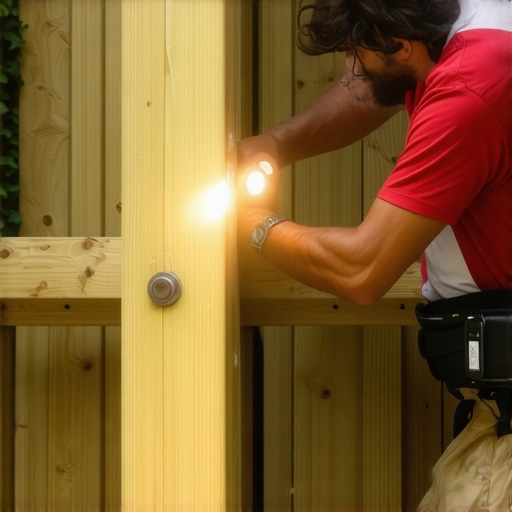
It was a warm Saturday morning when I finally decided to tackle my outdoor project—a new deck that would be the centerpiece of summer barbecues and family gatherings. As I started tearing into the old framing, I realized something was off. The more I inspected, the clearer it became: I had overlooked crucial signs that could have warned me about a flawed foundation. That lightbulb moment hit hard—I’d almost wasted time and money on a deck that might not stand the test of time. If you’re like I was, staring at your backyard with visions of relaxing evenings, you might wonder: How can I tell if my deck frame is actually sound before I start installing the boards? Today, I promise to share what I’ve learned about spotting those sneaky red flags early on, so you’re not caught off guard like I was.
Why Early Detection of a Flawed Deck Frame Matters
Is Skipping Inspection Really Worth the Risk?
Back in my early days of DIY, I made the mistake of assuming that a solid-looking old frame was just fine. Turns out, I was wrong. A sturdy appearance can hide serious issues—rotten wood, unstable joists, or even hidden rot that only a thorough inspection can reveal. The problem with neglecting these signs is swift: you risk structural failure, safety hazards, and costly repairs down the line. According to the North American Deck and Railing Association, improper framing is a leading cause of deck collapses, emphasizing the importance of meticulous inspection before the first board goes down. This isn’t just about avoiding extra work; it’s about ensuring your outdoor space is safe for family and friends.
Have you ever installed a deck only to find it wobbles or creaks underfoot? That unsettling feeling can often be traced back to a compromised frame. So, how do you spot these weak points before it’s too late? That’s exactly what I’ll walk you through next. If you’re eager to avoid the pitfalls I encountered, keep reading. We’ll dive into practical tips for assessing your deck’s foundation and making sure it’s solid as a rock.
Assessing the Foundation: Your First Line of Defense
Begin by visually inspecting the deck’s perimeter and understructure for any signs of rot, sagging, or movement. Use a pry bar to gently test the strength of the joists and beams; if they shift or crack easily, replacement may be necessary. Remember, like building a sturdy staircase, your deck’s foundation must support weight reliably—any weakness here propagates upward. Once you’ve identified potential weak spots, measure the spacing between joists to ensure they adhere to code standards, typically 16 inches on center for standard decks. I once discovered a twisted beam when I applied a simple string line across the joists; the deviation was obvious but easy to fix before proceeding with decking.
Checking for Hidden Damage: Don’t Rely on Looks Alone
Rot and insect damage often hide behind seemingly intact surfaces. Use a screwdriver or an awl to probe into the wood, especially at joint points and close to the ground. If the tool sinks in easily or wood flakes away, replacement is needed. I learned this the hard way during a weekend project where I ignored soft spots; years later, part of the deck sagged, forcing costly repairs. To avoid this, take a few minutes to scan the entire frame thoroughly. Remember, stability is like the backbone of an outdoor staircase—if it’s compromised, everything else is at risk.
Assessing Fasteners and Connections
Loose or corroded fasteners undermine structural integrity much like loose steps threaten a staircase’s safety. Use a screwdriver or impact driver to tighten any bolts or screws. Pay special attention to ledger boards and post attachments. If you find rusted or missing fasteners, replace them with galvanized or stainless steel equivalents to resist weathering. During my last inspection, I found a few nails protruding and some missing lag bolts; replacing these instantly made the structure feel more secure—and saved me from future headaches. Proper fasteners are the unsung heroes in decking—they keep everything together under pressure.
Evaluating Support Post Stability
Post bases should sit firmly on concrete or as designed with appropriate footings. Shake each post to check for movement; any wobbling indicates an unstable footing, risking collapse. If you encounter loose posts, reinforce the connection with proper anchors or rebuild the foundation with larger footings. I once encountered a leaning post that was just slightly out of alignment; after digging out and rebuilding the footing, the entire deck felt more solid. For complex issues, consider consulting a professional [contact us](https://deckdesignbuild.com/contact-us-2). A stable base is like the foundation of a staircase—without it, the entire structure is compromised.
Inspecting for Proper Spacing and Alignment
Stairs and deck joists should be uniformly spaced and aligned to ensure safety and durability. Use a tape measure and level to confirm that everything is within specified tolerances. Misalignment can lead to uneven weight distribution, causing cracks or sagging over time. I once saw a deck where the stringers on the stairs were uneven, leading to a trip hazard. To prevent similar issues, measure carefully and stand back to visually assess the frame’s symmetry—mirroring the precision a master builder would demand. Proper alignment facilitates easier installation of decking and ensures safety for all users.
Moving Forward With Confidence
Once you’ve completed this thorough inspection, you’ll be able to decide whether repairs are sufficient or if replacement is warranted. Remember, like designing safe and stylish stairs [see here](https://deckdesignbuild.com/designing-safe-and-stylish-stairs-for-outdoor-decks-in-2025), a solid deck frame is the foundation of a beautiful outdoor space. Investing time in this step saves money and prevents accidents later on. Carefully documenting your findings can also help when discussing repairs with professionals or choosing materials for upgrades, such as [composite decking](https://deckdesignbuild.com/transform-your-outdoor-living-with-custom-composite-decking-ideas) that withstand the elements better than traditional wood.Most homeowners and even some professionals often get caught up in the surface-level aspects of outdoor stairs and deck building, but the real pitfalls lie in overlooked nuances. A widespread myth is that choosing the most affordable composite decking material guarantees durability; however, many fail to consider the importance of proper installation techniques and climate-specific features. For example, not all composite boards are created equal—they vary greatly in their resistance to temperature fluctuations and UV exposure. According to recent studies by the American Society of Civil Engineers, improper installation and material selection are leading causes of premature deck failure, emphasizing the need for expert guidance when choosing materials and methods.
One common mistake is underestimating the complexity of framing and support structures, especially when integrating stairs seamlessly into the overall outdoor living design. Many think that simple stringer arrangements suffice, but overlooking proper load calculations and safety codes can result in wobbling stairs or dangerous misalignments. For advanced outdoor projects, consulting professionals who understand these nuances ensures compliance and longevity. Also, be wary of the misconception that ‘one-size-fits-all’ solutions work universally—climatic conditions dramatically influence material performance, making tailored advice essential.
**Why do some composite decks warp or discolor sooner than expected?** The answer often lies in installation errors, such as inadequate spacing between boards or failure to account for expansion and contraction. This oversight can cause surface buckling or unsightly gaps over time. Regular maintenance, combined with choosing the right type of composite for your climate—like PVC-based boards in humid environments—can prevent such issues. For more insights, check out [choosing the right composite decking](https://deckdesignbuild.com/choosing-the-right-composite-decking-for-durable-low-maintenance-outdoor-areas).
Another trap is neglecting to install stairs with adequate tread widths and riser heights, which might seem minor but significantly impact safety and comfort. Smaller treads may save space but can increase trip hazards, especially for seniors or children. Borrowing principles from architectural safety standards, a well-designed stair should prioritize accessibility and slip resistance, especially in areas exposed to rain or algae. Consulting design guides, like the ones available [here](https://deckdesignbuild.com/designing-safe-and-stylish-stairs-for-outdoor-decks-in-2025), can help avoid these critical mistakes.
**How do expert deck builders navigate the trade-offs between aesthetics and safety in outdoor stair design?** They often employ strategic lighting, hidden supports, and testing for stability before finalizing. A sophisticated approach balances visual appeal with structural integrity, ensuring the stairs look integrated yet are robust. Having an experienced professional handle your project helps identify hidden issues before they become costly repairs. Considering the importance of small details, such as proper fastener choices and post anchoring methods, can also make a difference in long-term performance. You can explore more about advanced stair solutions [here](https://deckdesignbuild.com/innovative-outdoor-stairs-ideas-2025).
Remember, understanding these nuances is a critical step toward creating a safe, durable, and visually stunning outdoor space. Whether it’s selecting the right materials, designing compliant stairs, or integrating seamless transitions, the devil is in the details. Let my experience serve as a warning: avoid complacency, do your homework, and don’t hesitate to seek professional input when needed—this is especially true for complex projects involving composite decking trends and safety standards. Have you ever fallen into this trap? Let me know in the comments.Maintaining a healthy, long-lasting outdoor deck requires more than just periodic cleaning; it involves the right tools, proactive methods, and a keen eye for emerging issues. Personally, I rely on a combination of advanced equipment and tried-and-true techniques that ensure my decking remains safe, attractive, and functional over the years. One indispensable tool in my arsenal is a high-quality moisture meter, such as the Protimeter or Moore Moisture Meter. These devices help me detect hidden water infiltration within the wood or composite materials, which is critical because moisture can cause rot, mold, or warping unseen to the naked eye, especially in shaded or humid environments.
Another essential tool I recommend is a powerful cordless impact driver paired with precision bits. It makes tightening fasteners and replacing rusted bolts effortless, ensuring connections stay solid over time. Personally, I favor impact drivers for their torque and efficiency, particularly when managing reinforcement or adjusting support posts, where residual corrosion may have compromised fastener integrity. Remember, fasteners play a crucial role in preventing wobbly stairs and unstable structures, so regular tightening is key.
For cleaning stubborn grime or mold, I switch between a commercial-grade deck cleaner and a soft-bristle brush attachment designed for power washers. A common mistake homeowners make is using high-pressure washers without a proper surface attachment, which can damage composite surfaces. I always set my pressure washer to a mild setting (~1,200 psi) and use a wide spray tip to avoid surface gouging. When dealing with composite decking, it’s vital to avoid metal brushes that could scratch or dull the surface, instead opting for nylon brushes that clean without harm.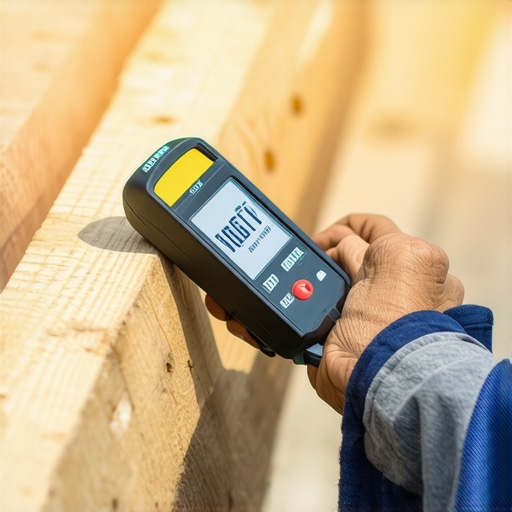
To assess structural stability, I employ a digital level and laser measuring tools, like a Bosch cross-line laser, which aid in ensuring that stairs and deck frames remain perfectly aligned. This combination allows me to spot minute deviations that could indicate shifting or settling of supports long before they pose safety risks. Additionally, I inspect post bases for corrosion or loose fittings; for instance, I prefer galvanized steel or stainless steel hardware, especially in coastal or damp regions, as advised by structural guidelines from civil engineering experts. Regularly checking these components helps prevent sudden collapse or unsafe wobbling, extending the life of your entire outdoor setup.
When it comes to future trends, advancements in smart tools and sensors are making maintenance more intuitive. IoT-connected moisture sensors or smartphone-enabled fastener analyzers are on the rise, promising real-time data on structural health. Investing in such technology now could save you significant repair costs and safety concerns down the road.
**How do I maintain composite decking and stairs over time?** The key is consistent inspection combined with proactive replacement of worn fasteners and protective coatings. Regularly applying a high-quality composite preservative or sealer tailored for UV resistance protects against discoloration and surface degradation, especially in sun-exposed areas. For example, using a latest-generation polymer-based sealant can extend your decking’s lifespan, as shown in recent studies by the American Society of Civil Engineers. Check out [choosing the right composite decking](https://deckdesignbuild.com/choosing-the-right-composite-decking-for-durable-low-maintenance-outdoor-areas) to see what options suit your climate best.
To give your project a lasting finish, don’t overlook detailed techniques like scribing boards tightly against uneven surfaces or sealing end grains with specialized compounds. Experimenting with advanced tip: try employing a router with a flush trim bit to create perfectly aligned edge profiles, ensuring your stairs and deck borders look seamless. This small step can dramatically improve aesthetic longevity and structural integrity.
Staying ahead with these tools and methods isn’t just about preserving your investment; it’s about safety and peace of mind. Dive into [transforming your space](https://deckdesignbuild.com/transform-your-space-expert-deck-builder-tips-for-stunning-outdoor-living) by integrating one advanced maintenance tip into your routine today. Your outdoor sanctuary deserves nothing less!
Three Lessons That Changed My Approach to Outdoor Living
- Never underestimate the importance of meticulous inspection — a small soft spot or loose fastener can lead to big safety issues down the line. I learned this the hard way during my first deck project, realizing that a few minutes evaluating each connection could save weeks of costly repairs later.
- Understanding climate-specific materials can make or break your outdoor space. Using the wrong composite or failing to accommodate expansion in hot or humid climates resulted in warping and discoloration in my previous decks. Tailoring your choices ensures longevity and satisfaction.
- Precision isn’t just about looks — it’s about safety. I discovered that careful measurement and alignment, especially in stairs, prevent tripping hazards and structural wobbling. Overcomplicating layouts isn’t necessary, but attention to detail ensures peace of mind.
Tools and Resources That Elevate My Projects
- Moisture Meters: Devices like the Protimeter help me detect hidden water infiltration, preventing rot and mold. They’re invaluable for maintaining integrity over time.
- High-Quality Fasteners: Galvanized or stainless steel screws and bolts resist rust, crucial in coastal or humid environments. Investing in good fasteners has paid off by avoiding frequent repairs.
- Design Guides and Codes: Resources such as the [designing safe and stylish stairs](https://deckdesignbuild.com/designing-safe-and-stylish-stairs-for-outdoor-decks-in-2025) ensure my builds comply with safety standards while looking great.
- Online Forums and Professional Networks: Engaging with fellow deck builders and reading blogs has kept me updated with innovative techniques and common pitfalls, enriching my craft continuously.