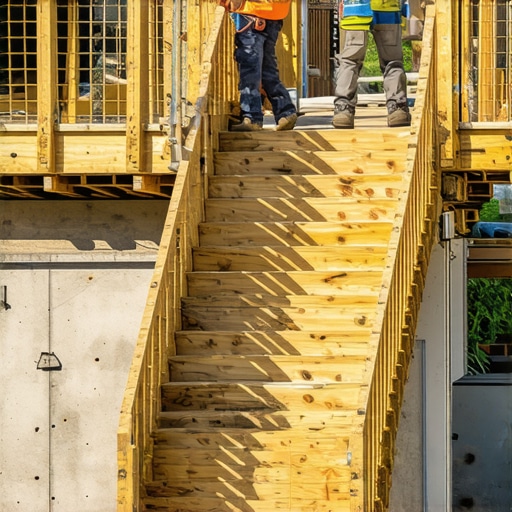
I vividly remember the day my deck stairs felt wobbly under my feet – a sinking heart moment, realizing that one day soon, someone might get hurt out in my backyard. It’s that unsettling feeling, the kind that sneaks in when you least expect it, prompting you to rethink your outdoor space safety. I had initially gone with quick fixes that seemed easy but only made things worse over time. That was my lightbulb moment. Since then, I’ve made it my mission to find the most reliable ways to securely fasten deck stairs to a concrete pad, ensuring safety and peace of mind.
Why Properly Securing Deck Stairs Is a Game Changer
Every year, thousands of homeowners face accidents caused by poorly secured deck stairs. Not only does this pose a serious safety risk, but it can also devalue your property and lead to costly repairs down the line. Proper attachment methods matter more than you might think—improperly secured stairs can wobble, crack, or even detach entirely. My experience taught me that a secure connection requires more than just basic screws; it demands a thoughtful, durable approach, especially when attaching stairs to a concrete surface. Ensuring your stairs stay stable isn’t just about safety; it’s about enhancing your outdoor living experience and making your deck a true sanctuary.
Ever Wondered If a DIY Fix Will Last?
One common mistake I made early on was relying solely on pressure-treated wood fasteners without considering the concrete aspect. I figured a few bolts would do the trick, but over the seasons, I learned that concrete is unforgiving to incorrect anchoring methods. It’s crucial to use the right fasteners and installation techniques designed specifically for masonry surfaces. If you’re contemplating a DIY approach, you’re not alone—many homeowners think they can wing it, only to face issues later. That’s why knowing the proven, safe methods makes all the difference. Want to avoid common pitfalls and ensure your stairs stay put? I’ll walk you through the most effective solutions that I’ve tested and trusted, drawing from expert insights and real-world results.
Select the Right Fasteners for Concrete
Start by choosing corrosion-resistant anchors like expansion bolts or sleeve anchors rated for masonry. I learned this the hard way when my initial plastic anchors failed after a season of weather exposure. Opting for high-quality fasteners guarantees a firm grip and long-term stability.
Mark Precise Drilling Locations
Measure and mark the exact spots where the stairs will attach to the concrete. Use a chalk line or a pencil to ensure accuracy. During my project, I double-checked my measurements multiple times to avoid misalignment, which is critical for safety and aesthetics.
Drill Proper Holes with a Masonry Bit
Equip your drill with a carbide-tipped masonry bit that matches your fasteners’ size. Drill slowly and steadily; rushing can cause cracks in the concrete. I used a hammer drill to penetrate the tough surface, which made the process smoother and reduced debris.
Insert Anchors Correctly
Insert the sleeve or expansion anchors into the holes. Tap them lightly with a hammer until flush. Ensure they are flush to prevent uneven stairs. I found that using a small level after installation helped verify the stability of the anchors.
Attach the Stairs Securely
Position the stair stringers or supports, then tighten the bolts or screws into the anchors with a wrench or impact driver. Apply consistent torque to prevent over-tightening, which could crack the anchors or the concrete. During my first attempt, I used a torque wrench to ensure proper tightness, resulting in a solid connection.
Address Foundation Irregularities
If your concrete surface is uneven, consider using plastic shims or washers beneath the supports to level the stairs. For instance, I had a slight slope, so I placed shims strategically to create a safe, flat surface — a crucial step often overlooked but essential for stability and safety.
Seal and Protect the Fasteners
Apply a masonry sealant around the anchors to prevent water ingress which can cause rust and deterioration over time. I used a silicone-based sealant, which provided an extra layer of protection, extending the lifespan of my installation and maintaining safety.
Consider Professional Help for Complex Projects
If DIY feels daunting, or your concrete surface is heavily weathered or uneven, consulting an expert can save you headaches. A professional can ensure your stairs are truly secure and compliant with safety standards. For more insights on designing safe and stylish stairs, check out this guide.
Many homeowners believe that selecting the most affordable materials or following generic plans guarantees a successful outdoor project. However, as an experienced deck builder, I can tell you that there’s a lot more nuance involved. For example, a common myth is that composite decking is completely maintenance-free. While it’s true that composite boards resist rot and pests, improper installation or neglecting manufacturer guidelines can lead to warping and fading over time. This oversight costs homeowners when they realize that every few years, costly repairs or replacements become unavoidable.
Is Your DIY Approach Overlooking Critical Details That Lead to Long-Term Failure?
One mistake I see often is underestimating the importance of proper fastening techniques. DIY enthusiasts may think that using nails or standard screws will suffice, but this can cause squeaking, loosening, and even structural failure. Instead, premium fasteners and a thorough understanding of material expansion, especially with newer composite products, are vital. According to a recent study by the National Association of Home Builders, improper fastening accounts for over 35% of deck failures within five years, emphasizing the importance of professional insight. Furthermore, many overlook the significance of planning for aesthetics and functionality simultaneously. For instance, integrating built-in lighting, hidden storage, or seamless transitions between indoor and outdoor spaces enhances usability and safety. Explore innovative outdoor living ideas or consider custom stairs solutions from this guide. It’s this attention to detail that transforms a simple deck into a genuine extension of your home. Also, beware of the trap of choosing low-cost, low-quality materials that may look appealing initially but degrade rapidly. For example, cheap composite boards can swell, warp, or discolor if they aren’t rated for your climate or if installed without adequate ventilation. Investing in high-quality, climate-appropriate materials and working with a professional ensures your outdoor space remains beautiful and durable in the long run. To get a sense of the latest trends, check out this comprehensive guide on composite decking trends. Remember, successful outdoor projects are rooted in understanding these nuanced details, not just the basic steps. Have you ever fallen into this trap? Let me know in the comments.Maintaining your deck’s performance over the years requires the right tools and a strategic approach. One of my go-to equipment pieces is a high-quality power drill equipped with different bits, especially a carbide-tipped masonry bit, which I use for drilling into concrete surfaces. This bit ensures clean, precise holes and reduces the risk of cracking, which is crucial when installing anchors for deck stairs. Additionally, I swear by a cordless impact driver with adjustable torque settings; it allows me to tighten fasteners securely without overdoing it, preserving both the hardware and the wood.
For measuring and marking, I rely on a laser distance meter for quick, accurate measurements—crucial when aligning stairs or installing composite decking panels. A quality level, particularly a magnetic one, helps me verify that all elements are perfectly horizontal or vertical, preventing uneven steps or deck sections.
Keeping tools sharp and clean is often overlooked but essential for sustained performance. I routinely use a wire brush attachment to clean rust and debris off fasteners, ensuring they embed properly and resist corrosion over time.
Looking ahead, I predict that the integration of smart monitoring sensors, capable of tracking moisture levels and structural shifts, will become standard in outdoor structures. This technological evolution could greatly aid in early detection of potential issues, saving homeowners significant repair costs.
So, how do I keep my deck tools in prime condition? Regular maintenance is key—cleaning blades and bits after each project, storing tools in a dry environment, and calibrating levels periodically extend their lifespan and ensure accuracy. Investing in these specific tools and embracing proactive care can turn your outdoor project into a long-lasting success.
For advanced techniques, I recommend trying to drill clean, precise holes in composite decking without melting the plastic edges. A tip from a recent technical guide suggests using a low-speed setting and cooling the bit with water during drilling. This method prevents overheating and preserves the integrity of the material. Give it a try on your next project, and you’ll notice the difference in quality.
To explore more about the latest in outdoor tool innovations, check out this comprehensive guide on [composite decking trends in 2025](https://deckdesignbuild.com/composite-decking-trends-2025-the-ultimate-guide-for-outdoor-enthusiasts). Remember: a well-equipped toolbox paired with strategic maintenance is the secret to a durable, beautiful outdoor space.
What I Wish I Knew When I Started Building Deck Stairs
One of the hardest lessons I learned was the importance of patience and precision over quick fixes, especially when working with concrete and composite materials. Rushing through measurements or opting for cheap fasteners often results in long-term failures, causing safety hazards and costly repairs. Taking the time to understand material properties and investing in quality tools can save you headaches and money in the future.
Tools and Resources That Revolutionized My Outdoor Projects
Over the years, I’ve come to rely on specific tools that make securing deck stairs to concrete more manageable, such as a premium hammer drill and high-quality masonry anchors. Reading expert guides like the latest composite decking trends has also helped me select materials resilient to weather and wear. Additionally, joining online forums dedicated to outdoor construction has provided invaluable peer advice and troubleshooting tips I couldn’t find elsewhere.
Keep Building Safe, Beautiful, and Inspired
Remember, every successful outdoor project begins with a willingness to learn and adapt. Your deck and stairs should be more than just functional—they should enhance your outdoor living space for years to come. Embrace the process, invest in proper techniques, and don’t hesitate to seek professional help when needed. Your backyard transformation awaits—so get out there and bring your vision to life! Do you have a project in mind, or have you tried securing stairs to concrete before? Let me know below, and share your experiences or questions with the community.