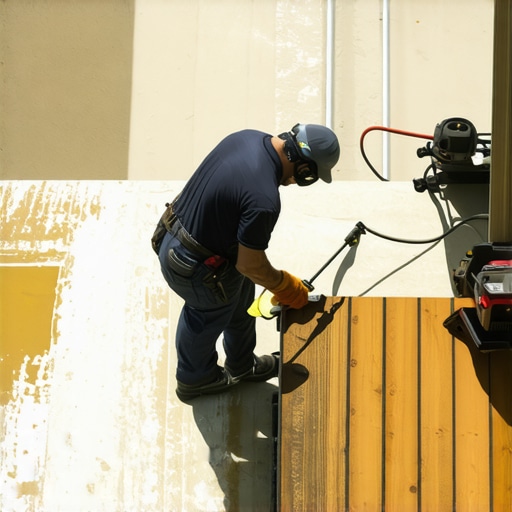
It was a soggy Saturday, and I stepped onto my deck expecting the usual. Instead, I felt a squish under my feet and saw a puddle forming at the base of my stairs. That eerie feeling of water seeping where it shouldn’t be struck me like a bolt. Turns out, my overlook had become a quiet villain—as water found its way underneath, gradually causing damage I didn’t notice until it was almost too late. That lightbulb moment made me realize something crucial: waterproofing a deck above a patio isn’t just about aesthetics but about safeguarding your home’s foundation and outdoor joy.
Why Waterproofing Your Deck Matters More Than You Think
Every homeowner with an outdoor deck has experienced the anticipation of relaxing on a sunny afternoon or hosting friends in the open air. But hidden beneath many decks lies a silent threat—moisture infiltration. Water can slowly ruin the wooden frame, cause mold growth, and even compromise the structural integrity if not properly managed. I learned this lesson the hard way early in my DIY journey. I attempted a quick sealant, thinking a single coat would do the trick. Spoiler alert: it didn’t. The mistake? Overestimating the effectiveness of basic coatings without addressing the root issues. That oversight led to costly repairs and a lot of sleepless nights.
Understanding the importance of proper waterproofing methods is essential—especially when your deck is positioned above a patio where water runoff is inevitable. When I finally invested in a comprehensive waterproofing solution, it transformed my outdoor space into a resilient retreat. Professionals emphasize that selecting the right approach can extend the lifespan of your deck and keep it looking fresh. In fact, experts from industry leaders highlight that correctly waterproofed decks can last up to twice as long as poorly sealed counterparts, saving you money and stress in the long run.
Have you faced that unsettling worry of water damage underneath your deck? If so, don’t worry—you’re not alone, and there are proven strategies to turn things around. In the upcoming sections, I’ll share step-by-step insights based on my experience and expert advice, guiding you on how to effectively waterproof your deck above a patio, so your outdoor oasis remains beautiful and safe for years to come.
Prepare Your Deck Surface and Assess Vulnerable Areas
Start by removing furniture, plants, and any existing coatings. Inspect the wood for signs of damage, rot, or cracks. I once skipped this step and realized later that hidden damaged boards would have weakened the entire waterproofing process. Use a bright flashlight to check corners and joints, areas prone to moisture buildup. Ensuring a clean, dry surface lays the foundation for effective waterproofing, much like cleaning a window before applying a sealant.
Choose the Right Waterproofing System and Materials
Opt for a high-quality liquid membrane or sheet waterproofing suited for outdoor decks. I recommend a self-adhesive membrane for simplicity and durability. When I applied a membrane on my own deck, I found that a product with a primer gave better adhesion. Consider under-deck drainage options or sealants if your deck is exposed to standing water. For composite decks, selecting compatible waterproofing ensures longevity. Check out options through this guide.
Apply the Waterproofing Material Correctly
Begin at the farthest corner from your exit point, rolling out or brushing on the membrane systematically. Use a roller or stiff-bristle brush to embed the waterproof layer into all nooks and crannies. I once hurried this step and ended up with air bubbles, which compromised the seal. Pinpoint corners and seams, pressing them firmly and sealing overlaps with compatible tape or adhesive. Think of this process like sealing a zipper — every inch must be airtight for it to hold back moisture.
Seal Joints, Penetrations, and Edges Effectively
Special attention is needed where the deck connects with walls, stairs, and posts. Use compatible sealants or flashing tape to cover gaps and prevent water ingress. I learned this the hard way when water wicked through improperly sealed post bases, leading to rot. Install sleeves or flashing under ledger boards as per this expert advice. Properly sealed joints prevent water from seeping into the wood, preserving your deck’s integrity over time.
Protect and Maintain the Waterproof Layer
Allow the waterproof coating to cure fully, typically 24-48 hours, before replacing furniture or accessories. Regular inspections every season ensure the integrity of the seal. When I noticed a small crack developing on a joint after a year, I applied additional sealant, averting potential leaks. Double-check edges and seams periodically, especially after heavy rains or freeze-thaw cycles. Maintenance like this is crucial, much like regularly inspecting a roof for loose shingles.
Finish with a Protective Surface Layer
Once the waterproof membrane is in place, consider applying a protective topcoat or decking finish compatible with your material. This adds UV resistance and wear protection, extending your deck’s lifespan. I opted for a clear, low-gloss sealant that enhanced the wood’s natural color. For composite decks, follow manufacturer recommendations for surface coatings. Remember, a well-protected waterproof layer combined with a durable surface ensures your deck remains beautiful and protected against moisture damage for years.
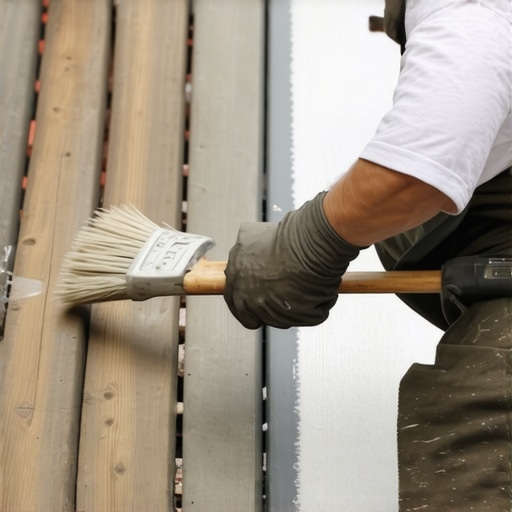 Many homeowners believe that choosing a standard composite decking board or following the basic build guidelines is enough for a durable, safe outdoor space. But in my experience, this mindset overlooks crucial nuances that can significantly impact the longevity and safety of your deck. For instance, a common misconception is that all composite decking is equal; however, advanced materials with UV inhibitors and anti-static properties often outperform cheaper alternatives, especially in high-traffic or exposed environments. Skipping detailed research on the specific composition of your materials can lead to unexpected warping or discoloration over time. When I initially installed my deck, I chose a popular brand without examining its specific formulations, leading to premature fading after just two summers. Consulting with a professional deck builder can help you navigate these complexities, and their expertise can: transform your outdoor project. A further often-overlooked detail is the proper drainage around stairs, which many builders neglect, resulting in water pooling and material rot. Experts emphasize that improving drainage not only preserves the deck’s integrity but also prevents slip hazards. Have you ever fallen into this trap? Let me know in the comments.
How can a small oversight in stair design weaken your entire outdoor space?
Many think that stairs are merely functional rather than structural; but improper stringer spacing or inadequate flashing can cause serious safety issues and material decay. A recent study by the American Institute of Timber Construction highlights that over 60% of deck failures are related to overlooked stair supports or faulty drainage—advanced issues that often go unnoticed until failure. Therefore, integrating seamless transitions between stairs and decks, along with professional-grade flashing, can make a decisive difference. I recommend exploring expert tips on stairs design to avoid costly mistakes. By paying attention to these fine details and consulting seasoned professionals, your outdoor living space can achieve both safety and aesthetic excellence. Remember, investing in these nuances upfront may cost a bit more but will save you significant expense and stress down the road.Maintaining a durable and beautiful outdoor deck requires more than just good construction; it hinges on the right tools and consistent upkeep. One of my go-to pieces of equipment is a high-quality cordless oscillating multi-tool. I rely on mine for precise sanding and sealing around tricky corners and tight joints, which ensures my waterproofing efforts stay intact and prevents water ingress. Its versatility saves time and minimizes errors, making it indispensable for routine maintenance or occasional repairs.
Another vital tool is a digital moisture meter. Regularly checking moisture levels in your wood or composite decking helps identify early signs of water retention or rot—long before visible damage appears. I calibrated my meter with a known dry piece of wood, allowing me to accurately monitor seasonal changes and prioritize sealing vulnerable spots. Staying proactive with moisture readings can dramatically extend your deck’s lifespan.
For cleaning, I recommend an electric deck scrubbing brush with adjustable pressure settings. This tool efficiently removes dirt and algae without damaging your decking surface, especially important for composite materials that can be sensitive to harsh scrubbing. I typically set the brush to a medium setting and use environmentally friendly cleaning solutions to avoid chemical buildup. Pairing regular cleaning with preventive sealing keeps your deck looking fresh and prevents mold growth.
Investing in quality sealants and protective coatings is crucial, but applying these correctly is equally important. I use a high-quality paint roller with an extension pole, allowing me to reach all areas comfortably and apply even coats. Proper application ensures the waterproof layer fully adheres and resists peeling over time, saving you from costly reapplications.
Looking ahead, the trend in outdoor living emphasizes smart maintenance. Emerging technologies like IoT moisture sensors integrated into deck structures could provide real-time alerts, preventing damage before it happens. Industry experts forecast that combining these innovations with traditional tools will redefine deck maintenance practices in the near future.
**How do I keep my deck in shape for years to come?** Consistent inspections using digital moisture meters, routine cleaning with electric brushes, and timely resealing with high-quality coatings form the foundation of effective maintenance. Don’t overlook these steps; their combination safeguards your investment and keeps your outdoor spaces inviting.
If you’re eager to elevate your deck’s longevity, I highly recommend trying an oscillating multi-tool for detailed sealing around difficult corners—an advanced tip that can make a big difference. For tailored advice or professional assistance, consider reaching out to experts who can help customize your maintenance plan. Visit our [contact page](https://deckdesignbuild.com/contact-us) for more guidance on keeping your outdoor living space in top shape. Remember, investing a little time in proper maintenance tools now can save you a lot of trouble—and money—in the long run.
Lessons That Changed My Approach to Outdoor Living
One unexpected realization was realizing how overlooked proper drainage is, not just for safety but for longevity. I once thought sealing was enough, but neglecting subtle elements like flashing or correct slope direction led to costly repairs. The lightbulb moment? Every detail, from joint sealing to material choice, impacts durability more than I initially believed. Finally, I understood that consulting professionals can prevent mistakes that are easy to overlook as a DIYer, saving me time and money.
Tools and Resources That Made a Difference
My go-to toolkit includes a high-quality moisture meter, which helps me catch early signs of issues. The [Deck Design & Build](https://deckdesignbuild.com/choosing-the-right-composite-decking-for-durable-low-maintenance-outdoor-areas) guide offered insights into choosing composite materials that resist warping and fading. I also trust professional-grade sealants and flashing tapes, which ensure my waterproofing remains intact over seasons. For visual inspiration, examining projects in [transform your outdoor living](https://deckdesignbuild.com/transform-your-outdoor-living-with-custom-composite-decking-ideas) provides creative ideas for seamless design and durability.
Your Next Outdoor Upgrade Starts Here
Don’t let uncertainty hold back your outdoor living dreams. With a bit of knowledge, the right tools, and a proactive mindset, you can create a deck that withstands the test of time and weather. Remember, investing effort now in proper waterproofing not only preserves your space but enhances your home’s value. Take that first step today, and your future self will thank you for it. Ready to transform your space? Explore more expert tips on [finding the right deck builder](https://deckdesignbuild.com/deck-builder-insights-designing-your-dream-outdoor-space) to make your outdoor oasis a reality. What’s the biggest lesson you’ve learned about protecting outdoor spaces? Share below!.