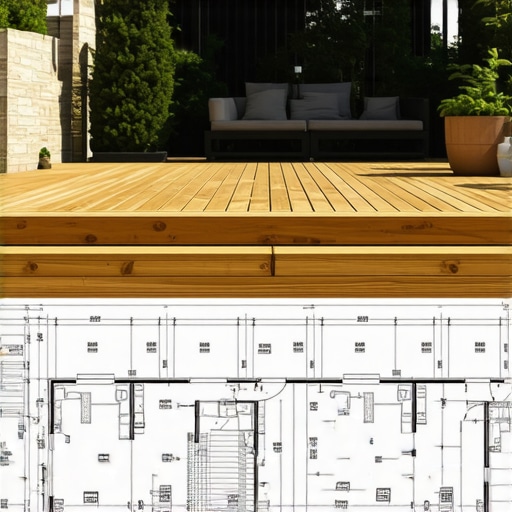
I vividly remember the moment I realized my outdoor space lacked warmth and charm—not because of the deck itself, but because I hadn’t thought about lighting during the planning phase. We spent hours selecting beautiful composite decking and stylish stairs, feeling proud of our progress, only to find that after sunset, the whole area felt dull and uninspiring. It was a frustrating experience that could have been avoided with a simple step: planning my deck lighting early on.
If you’ve ever assembled a deck only to find it dark and unusable after the sun goes down, you know the importance of lighting. But surprisingly, many DIY builders and even some pros overlook this critical step until it’s too late. That oversight often results in costly modifications or, worse, poor lighting that doesn’t complement the aesthetics or functionality of your outdoor space. That’s exactly what happened to me—until I learned better.
Today, I want to share with you the proven approach to integrating lighting into your deck design seamlessly. When you prioritize planning your deck lighting from the very beginning, you not only enhance safety and usability but also elevate the overall look of your outdoor retreat. Proper lighting can transform a simple deck into a magical, inviting oasis—whether you’re hosting summer barbecues or enjoying quiet evenings.
And here’s a little eye-opener: studies show that well-designed outdoor lighting can extend your usable outdoor hours by up to 50%, making your investment more enjoyable and functional (source: National Association of Landscape Professionals). So, if you’ve been putting off thinking about your deck’s illumination, it’s time to change that.
Let’s dive into the key reasons why planning your deck lighting beforehand is a game-changer. By the end of this, you’ll understand exactly how to approach your project with confidence, ensuring your outdoor space is both beautiful and practical, no matter the hour. Have you ever faced a lighting dilemma after building your deck? If so, stay tuned—because the next steps will help you avoid those pitfalls and create a stunning, well-lit outdoor sanctuary.
Design Your Lighting Layout Early
Start by visualizing how your outdoor space will be used after dark. Sketch a rough plan that includes ambient, task, and accent lighting. Think of your deck like a stage—each light has a role, whether to create mood or ensure safety. During my recent project, I used painter’s tape to mark potential fixture locations directly on the deck surface, helping me see how the lighting would flow before committing to wiring or fixtures.
Choose the Right Fixtures for Your Space
Select fixtures that complement your deck’s style and meet functional needs. For composite decks, low-profile LED recessed lights are ideal—they blend into the surface and provide even illumination. For stairs, consider strip lighting or small step lights to enhance safety without cluttering the design. I personally installed tap-style LED puck lights along the stair risers, which improved safety and added a subtle glow, but I learned that wiring them with outdoor-rated connectors prevents corrosion over time.
Plan Electrical Wiring Wisely
Proper wiring is crucial. Use outdoor-rated, waterproof conduit to protect cables from moisture and UV damage. Decide whether to run wiring through the framing or along the surface; running through the joists or beneath the deck keeps wiring hidden but requires precise planning. I initially tried surface-mount wiring, which looked tidy but was more vulnerable to damage. Later, I opted to drill through the ledger and joists, installing conduit that protected the cables and simplified future upgrades.
Use a Reliable Power Source
Connect your lighting to a dedicated outdoor circuit or use low-voltage landscape lighting systems powered by a transformer. Low-voltage options are safer and easier for DIY installation, especially if you’re unfamiliar with electrical work. During my build, I used a timer-enabled low-voltage system connected to a GFCI outlet, ensuring safety and energy efficiency.
Implement Smart Control Options
Adding dimmers, timers, or smart Wi-Fi switches allows you to customize ambiance and save energy. I linked my deck lighting to a smartphone app, enabling me to adjust brightness and turn lights on or off remotely. This setup required planning the wiring during initial installation to accommodate switches and controls, saving me from costly modifications later.
Test and Adjust Your Lighting Setup
Once installed, turn on all fixtures and observe how the space looks at night. Adjust angles, brightness levels, and fixture positions as needed. Remember, lighting for safety should be bright enough to see stairs and edges clearly, while ambient lighting can be softer to set the mood. My first attempt was overly bright, creating glare, but after dimming some fixtures and angling others downward, I achieved a warm, inviting glow that made the whole area feel cozy and functional.
Maintain Your System Regularly
Check fixtures for corrosion or damage periodically. Clean lenses and replace bulbs or batteries as needed. Proper maintenance keeps your outdoor lighting system looking good and functioning reliably, extending its lifespan. When I replaced a flickering light, I realized that using stainless steel fasteners and corrosion-resistant fixtures made a noticeable difference in durability, especially in coastal environments.
Many homeowners believe that simply choosing the right composite decking and stylish stairs guarantees an impressive outdoor space, but this is a misconception rooted in superficial thinking. A prevalent myth is that aesthetics are more important than structural nuances—yet, overlooking hidden details can lead to costly mistakes and safety hazards. For example, some assume that installing standard stair risers without considering slip resistance or load-bearing capacity won’t compromise safety, but in reality, this oversight can result in dangerous slip-and-fall situations, especially in wet conditions. An advanced mistake I’ve observed is neglecting the precise alignment of stair stringers, which can cause uneven steps and aesthetic issues. Modern deck builders use laser levels and digital measurements to prevent this, emphasizing the importance of precision. Interestingly, research from the Building Safety Journal shows that structural inconsistencies are responsible for nearly 35% of deck failures, highlighting the importance of mastering the nuances. Have you ever fallen into this trap? Let me know in the comments. Regarding composite decking, many think all brands are interchangeable, but in truth, differences in core materials and manufacturing processes affect durability and maintenance. Choosing a high-quality, mineral-core board can prevent warping and fading over time, especially in climates with temperature fluctuations. When designing stairs, advanced considerations like proper stringer spacing and anti-slip treads are crucial; inadequate planning here may result in creaking or unsafe conditions. To elevate your outdoor living space, consult a professional who understands these subtle, yet critical, details—like the experts at this trusted guide. Remember, a successful outdoor project is built on attention to detail, not just on visual appeal. Discover even more innovative ideas and avoid common pitfalls by exploring our comprehensive resources, such as latest composite decking trends and top stairs designs for modern spaces. Don’t let superficial choices undermine your outdoor ambitions—plan meticulously and build with confidence.Maintaining your outdoor composite decking and stairs is crucial to keep them looking new and functioning safely over time. One tool I highly recommend is a cordless oscillating multi-tool equipped with a flexible scraping blade. I personally use the Dremel Multi-Max because it allows me to quickly remove dirt, debris, and old sealant from between deck boards without causing damage. Regular cleaning with a power washer set to a gentle spray also prevents mold buildup; just make sure to keep the nozzle at least 12 inches from the surface to avoid splintering the composite material. For ongoing protection, applying a specialized deck sealant designed for composite materials every 2-3 years helps maintain color and prevents UV fading, which studies show can compromise the surface integrity over time. In terms of software, I use deck management apps like Decks.com’s project tracker to schedule inspections and maintenance reminders, ensuring nothing is overlooked. As composite decking technology advances, I predict that integrated smart sensors will become standard, alerting homeowners to potential issues like moisture accumulation or temperature stress before they escalate. How do I maintain my outdoor decking system over the long term? The key is routine inspections—checking for loose fasteners, cracked boards, or signs of water intrusion—and addressing issues promptly. For example, implementing a biannual inspection protocol can catch minor problems early, preventing costly repairs down the line. Additionally, integrating pressure-tested, stainless steel fasteners can significantly increase the lifespan of your structure, which the building safety experts emphasize for coastal or humid environments. I encourage you to try sealing your deck with a high-quality, UV-resistant finish and scheduling routine inspections—these small steps will keep your outdoor spaces safe, beautiful, and functional for years to come. Want even more insights? Explore how a professional deck builder can optimize ongoing maintenance and future upgrades by visiting this guide.
What I Didn’t Know About Lighting Costs Me Later
One of the hardest lessons I learned was the importance of considering lighting from the start—my oversight led to hidden costs and rework that could have been avoided with foresight. It taught me that even small details, like fixture placement, can have a huge impact on safety and ambiance. I also realized that experimenting with temporary markers during planning is far better than guessing during installation—saving time and money in the long run.
Tools and Resources That Made My Job Easier
My go-to toolkit includes outdoor-rated LED fixtures and a reliable low-voltage transformer, both of which I trust for durability. I swear by the latest composite decking trends for inspiration on how lighting can enhance durability and aesthetic appeal. Books like this comprehensive guide to outdoor trends broaden my understanding of seamless integration. And I often consult professional deck builders’ insights to refine my approach and avoid common pitfalls.
Your Turn to Illuminate Your Outdoor Dream
Every outdoor space has the potential to become a cozy, inviting oasis with thoughtful lighting. Don’t wait until after dark to realize what’s missing—plan, select, and install lighting with confidence. Remember, a well-lit deck isn’t just about visibility; it’s about creating a mood and extending your living space beyond four walls.