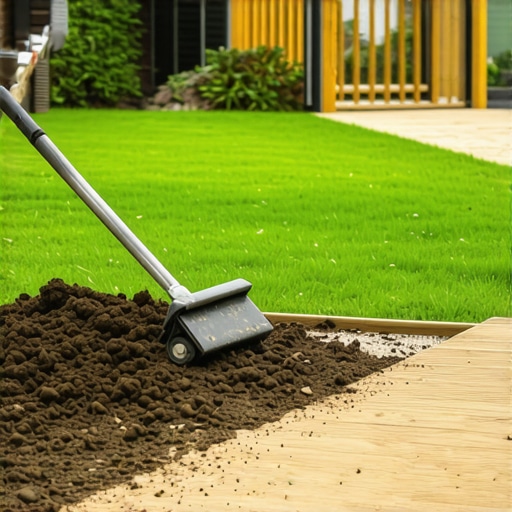
It was a weekend like any other when I finally hit a wall. My dream deck, envisioned for family barbecues and lazy Sunday mornings, was turning into a frustrating puzzle. Every time I stepped outside, I felt that sinking feeling—literally. The yard’s gentle slope, which I had briefly dismissed as harmless, was now making my plans for a level deck an uphill battle. That’s when it hit me: I needed a better solution than just hoping it would settle on its own.
The Challenge of Sloped Yards and Deck Building
When I first decided to build a deck, I naively believed that the ground would be an easy fix. But as I learned, building on uneven terrain isn’t just about aesthetics; it’s about safety, durability, and usability. A sloping yard can cause uneven weight distribution, leading to deck warping or even failure over time. Plus, an unlevel deck can be a safety hazard, especially on stairs, causing trips or slips. If you’ve ever faced similar issues, you’re not alone. Many homeowners discover too late that an uneven site demands careful planning.
The good news? There’s a way to turn this challenge into an opportunity. A properly leveled deck enhances your outdoor space’s functionality and beauty, increasing your property’s value and your enjoyment. Today, I’m going to share the most effective methods I found to level a sloping yard — techniques that transformed my failed project into a stunning outdoor oasis.
But before we dive into solutions, let’s address one of the biggest fears I hear from DIY enthusiasts: “Is leveling a sloped yard really worth the hassle?” Well, according to recent research from the Home Improvement Institute, improperly supported decks are among the leading causes of outdoor accidents. It turns out, a little extra effort upfront pays off in safety and longevity. If you’ve faced the dilemma of trying to build a deck on uneven ground, ask yourself—are you ready to learn the most reliable ways to create a stable, beautiful outdoor space?
Now that we’ve set the stage, let’s explore the key techniques that will help you tackle this common but conquerable problem. Whether you’re planning to hire a professional or take on some DIY projects, understanding the fundamentals will save you time, money, and stress in the long run. Ready to level up your yard? Let’s get started.
Assess the Slope and Plan Your Course
Start by measuring the grade of your yard using a level and a string. Mark the high and low points to determine the steepest areas. I once used a long spirit level and a laser level to pinpoint the most uneven spots, which helped me visualize where to add supports or fill material.
Choose Between Raising or Leveling
If the slope is mild (up to 4 inches over 10 feet), you might opt for leveling with shims or deck pads. For steeper grades, consider elevating the entire deck on posts or beams. Think of it like building a staircase that flattens out; you must either add material to fill gaps or raise the structure to reach level ground.
Installing Support Posts on Sloped Terrain
Dig post holes at each support point, ensuring they are plumb and level individually. Use a combination of gravel, concrete, and adjustable post bases to stabilize these supports. I once used adjustable post anchors to fine-tune the height, which saved me hours of additional shimming later. Here’s a guide on securing posts that won’t shift over time.
Building a Level Framework
Lay out your ledger board, ensuring it is anchored securely to your house if applicable. Use a laser level or string line to set the outer frame, and shim the supports as needed to keep it perfectly horizontal. This step is like aligning the rails of a ladder; every rung must be level for structural safety.
Decking on Uneven Surfaces
If adjusting the structure isn’t feasible, you can install decking boards with varying heights or scribe the boards to match contours. For composite decking, I recommend selecting materials with flexibility and low maintenance, such as capped polymer boards, which resist warping and don’t require frequent releveling. Check out the latest composite trends for ideas.
Create Proper Drainage and Support
Ensure the deck slope slightly away from the house to promote drainage, usually about 1/8 inch per foot. Also, incorporate flashing and moisture barriers under the ledger to prevent water infiltration. During my project, I applied a waterproof membrane around the support posts, which prevented rot and extended the deck’s lifespan.
Leveling Stairs on a Slope
Building stairs on a slope demands precise measurements. Use a laser level to set the stair stringers to correct height, and consider installing a mid-landing to break up steep runs. If you want to refresh your stair designs, browse stair ideas for outdoor living. When you take the time to level each component properly, the stairs will be safer and more comfortable.
Final Checks and Tweaks
After assembly, walk on the deck to verify levelness and stability. Make adjustments by shimming or tightening supports. I remember a moment when I spent extra time adjusting a support post, which prevented future creaking—a small effort for lasting peace of mind. Remember, a level deck isn’t just about appearance; it’s about safety and durability that endures through seasons.
When it comes to constructing outdoor stairs and decks, many DIY enthusiasts rely on widely accepted rules, but some of these beliefs are oversimplified or downright wrong. For instance, the popular myth that “more nails mean a stronger deck” can lead to future problems, such as post-wobbling or structural failure. In reality, modern deck construction demands the right fasteners and techniques; choose corrosion-resistant screws like stainless steel fasteners for longevity, especially in coastal regions where rust is a concern. Moreover, many believe composite decking is maintenance-free, but this is a misconception — selecting the right capped polymer or mineral core product, backed by expert studies, makes a significant difference in lifespan and appearance.
Are You Overlooking How Wind and Climate Affect Fastener Choice?
The advanced understanding of weather impacts reveals that outdoor environments influence the longevity of your fasteners and structure more than you might think. High humidity, salt air, and temperature swings can cause inferior materials to degrade faster, leading to costly repairs or safety hazards. Experts recommend choosing fasteners and decking materials designed specifically to withstand these conditions to prevent rot, warping, or loosening over time. For instance, certified premium composite brands incorporate unique moisture barriers and UV inhibitors, which are vital for outdoor durability. Do you know the specific climate challenges in your area, or are you simply choosing materials based on looks?
In addition, many overlook the importance of proper stair stringer design for safety and aesthetics. Incorrectly cut or unsupported stringers can wobble or settle unevenly, posing safety risks, especially on steep slopes or high elevations. To ensure stability, reinforce stringers with proper anchoring, consider mid-landing supports, and verify calculations with an experienced deck builder. For a deeper dive into safe outdoor stair design, see our discussion on latest trends in composite decking and stair ideas.
Finally, many homeowners assume that a well-laid deck is enough, but overlooking proper drainage, flashing, and moisture barriers under the ledger can lead to costly water damage and rot. Paying attention to these nuanced details saves money and extends your outdoor space’s life. Remember, even the smallest overlooked detail can have a ripple effect — prevent this with meticulous planning and expert advice. Have you ever fallen into this trap? Let me know in the comments.Building and installing a durable outdoor deck is just the beginning; keeping it in top condition requires the right tools and consistent maintenance. Over the years, I’ve refined my toolkit to include specialized equipment that makes inspections, repairs, and cleanings more efficient and effective. A high-quality digital moisture meter, for example, is invaluable for detecting hidden rot in joists or supports before it becomes a major problem. I personally prefer the Extech MO295 because it provides quick, accurate readings that help me decide when sections need treatment or replacement. For cleaning composite decking, I rely on a power washer with a fan nozzle attachment, which thoroughly removes dirt and mildew without risking damage to the material. Using a soft-bristle brush alongside eco-friendly cleaning solutions like oxygen bleach ensures that my deck remains vibrant and safe for family time. Additionally, I recommend investing in a good set of stainless steel fasteners and clips—these resist corrosion and stay securely in place, especially in coastal environments where salt air accelerates deterioration. Regular inspections using a laser level help verify that the structure remains even and safe, preventing trips or structural issues that can occur over time. As composite decking trends evolve toward more resilient materials, staying updated with innovations such as capped polymer surfaces enhances both appearance and long-term performance, reducing the need for frequent repairs. According to the latest industry standards, proactive maintenance with the right tools can extend a deck’s lifespan significantly, often by decades. Want to keep your outdoor space looking fantastic year after year? Try incorporating a moisture meter into your routine to catch early signs of rot—it’s a game-changer for preventive care! How do I maintain my deck over time? Routine inspections and cleaning are key, but selecting the proper equipment like a durable power washer and high-quality fasteners ensures your efforts stand the test of weather and wear. Staying ahead on maintenance not only preserves your investment but also guarantees safety and beauty for years to come. For more advanced strategies and detailed product recommendations, visit our guide on [maximizing outdoor space](https://deckdesignbuild.com/maximizing-outdoor-space-inspiring-deck-and-stair-ideas-for-every-budget). Remember, a well-maintained deck isn’t just about looks—it’s about safety and long-term enjoyment.
Lessons That Changed My Approach to Outdoor Living
One of the biggest revelations was realizing that patience and precise measurements outweigh rushing to get a project done. I once underestimated the importance of checking levels at multiple points; now, I place the laser level in different spots to ensure accuracy across the entire surface. This attention to detail prevented future settling issues and saved me costly repairs. Additionally, I learned that supporting posts on uneven terrain require more than just quick-concrete fixes—adjustable post bases and gravel supports have become my go-to tools for stability and longevity. Lastly, understanding climate-specific materials has been a game-changer; selecting fasteners and decking suited for coastal or humid environments has significantly enhanced the durability of my decks, proving that tailored solutions trump one-size-fits-all approaches.