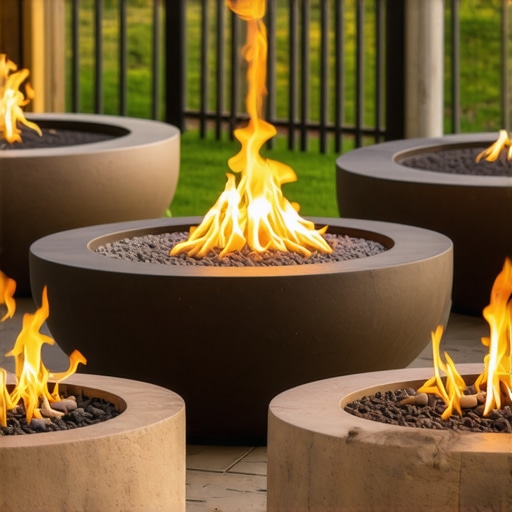
If you’ve ever stood outside on a cool evening, gazing at a flickering fire, and thought about adding a fire pit to your outdoor space, you’re not alone. I remember the exact moment I realized that my dream of a cozy fire had turned into a safety concern—my beautiful composite deck, which I had invested so much in, felt vulnerable every time I lit a fire. It was a frustrating lightbulb moment: how could I enjoy my outdoor living area without risking damage or safety issues?
The Struggle of Outdoor Fire and Composite Decks
As someone who loves hosting friends and family on warm summer nights, I wanted a fire pit that didn’t compromise the integrity of my deck. The challenge? Finding a fire pit brand that is truly safe for composite materials. I learned the hard way that not all fire pits are created equal, and some can cause it to warp, discolor, or worse—become a safety hazard.
After a bit of research and personal trial-and-error, I discovered that the key was choosing the right type of fire pit and the proper placement. This took some patience, but I promise—there’s a solution! If you’ve faced similar worries about risking your composite deck, you’re in the right place. Today, I’ll share what I’ve learned about selecting safe fire pit brands and tips to keep your outdoor space both stunning and secure.
Why Safe Doesn’t Always Mean Cheap
One mistake I made early on was opting for cheaper, generic fire pits without considering their heat output or materials. I thought any outdoor fire would do, right? Wrong. The heat from certain fire pits can be intense enough to damage even the most durable composite boards. According to a study by the ole Polytechnique F E9rale de Lausanne, excessive heat exposure can accelerate deterioration in composite materials, reducing their lifespan significantly. So, investing in a quality, heat-safe fire pit isn’t just a luxury—it’s a smart move to protect your investment.
If you’re curious about the *best brands* that balance safety, aesthetics, and durability, I’ll guide you through the options and what to look for in the next section. Have you ever experienced a fire-related mishap or been worried about damage? Share your story—knowing we’re not alone helps us make smarter choices. Now, let’s explore the biggest questions and fears many outdoor enthusiasts have about this topic.
Choosing Fire Pits That Keep Your Composite Deck Safe
Start with Proper Planning and Placement
Before purchasing a fire pit, assess your outdoor space like a tailor measuring fabric—precise and tailored. Use a measuring tape to map out your deck’s dimensions and identify areas that can safely accommodate a fire pit. Choose a spot at least 10 inches away from any composite material, sticking to the manufacturer’s clearance minimums. Remember, the goal is to keep heat sources well clear of vulnerable areas. I once placed a fire pit too close to my deck’s edge during my first attempt, only to find after a few uses that the heat caused discoloration—lesson learned!
Choose the Right Fire Pit Technology
Opt for fire pits that employ low-heat radiating methods, such as vented gas units with ceramic logs or built-in burners designed for outdoor use. Propane models tend to produce less ambient heat compared to wood-burning options, reducing the risk of damage. When I selected my first fire pit, I leaned toward a wood-burning model for authenticity but discovered that the intense, uneven heat could warp composite materials. Now, I prefer a propane fire pit with a heat shield—much safer and more consistent for my deck’s integrity. For guidance on the best brands that combine safety, aesthetics, and durability, explore [this comprehensive guide](https://deckdesignbuild.com/deck-builder-insights-designing-your-dream-outdoor-space).
Use Protective Barriers and Heat Shields
Install a sturdy, heat-resistant barrier underneath your fire pit, such as a concrete paver or a fire-resistant pad. Think of this as placing a baking sheet beneath a hot dish—protecting your countertop. The barrier prevents direct contact between the heat source and the deck surface, significantly reducing thermal transfer. During my installation, I used a large ceramic tile as a heat shield, which worked wonders. Additionally, installing a dedicated heat shield panel on the side of the fire pit facing the deck can deflect radiant heat. To learn more about designing safe and stylish stairs that complement your new setup, visit [this resource](https://deckdesignbuild.com/designing-safe-and-stylish-stairs-for-outdoor-decks-in-2025).
Proper Installation and Maintenance
Secure your fire pit firmly on a level, stable surface, ensuring no wobbling or shifting. Use appropriate fasteners and follow manufacturer instructions meticulously. Regularly inspect and clean the area around the fire pit, removing debris and checking for signs of heat damage. During my project, I initially skipped securing my unit properly; it wobbled slightly during windy evenings, which was unsettling. I fixed this by anchoring it to the base with stainless steel brackets. Think of this step as putting on a seatbelt—it’s your primary safety measure. For tips on supporting mid-span joists and ensuring long-term durability, see [this technical guide](https://deckdesignbuild.com/the-hidden-joist-support-that-prevents-deck-surface-sags).
Advocate for Professional Assistance When Needed
If unsure about placement, technology, or installation, consult a professional deck builder. Think of hiring an expert as hiring a skilled chef to perfect a complex dish—your outdoor space deserves that level of expertise. A deck builder can identify potential heat vulnerabilities and recommend custom solutions, like built-in fire features or specialized heat shields. To find a qualified professional, visit [this contact page](https://deckdesignbuild.com/contact-us). Remember, investing in professional advice can save you money and prevent hazards down the line, keeping your outdoor living beautiful and safe for years to come.While many outdoor enthusiasts believe they understand everything about stairs, composite decking, and choosing a deck builder, there are nuanced pitfalls that often go unnoticed. One widespread misconception is that installing a simple, level surface with composite boards guarantees durability and safety. In reality, the hidden nuances in framing techniques and material choices play a critical role in long-term performance and aesthetics. For instance, overlooking proper ventilation beneath the deck can lead to moisture buildup, causing composite boards to warp or develop mold—issues that aren’t immediately apparent but can cost a fortune over time. To avoid these costly mistakes, consulting expert resources like [this guide](https://deckdesignbuild.com/transform-your-outdoor-living-with-custom-composite-decking-ideas) can illuminate overlooked details that make or break your project.
Another common myth is that all deck staircases are created equal. Many assume that following standard code requirements suffices, but advanced insights reveal that stair safety depends heavily on precise calculations of riser height, tread depth, and support framing—details that experienced deck builders meticulously optimize. Skipping these nuances can result in creaky, unsafe stairs that wear out quickly, especially in climates with temperature fluctuations. Remember, paying attention to these finer points—like ensuring consistent riser heights with laser leveling—can vastly improve both safety and visual consistency. For an in-depth look at stair design, explore [this article](https://deckdesignbuild.com/elevate-your-home-top-stairs-designs-for-modern-outdoor-spaces).
People often underestimate the importance of selecting the right composite decking brand. It’s tempting to go for the cheapest option, but studies show that lower-quality composites tend to fade, stain, and degrade faster, especially under intense UV exposure. A high-quality brand, such as capped polymer composites, offers better UV resistance and structural stability. This is crucial for maintaining the beauty and integrity of your outdoor living space long-term. Neglecting this detail can lead to premature replacement costs and safety concerns. As you plan your next deck, consider consulting [this trend report](https://deckdesignbuild.com/composite-decking-trends-2025-the-ultimate-guide-for-outdoor-enthusiasts) to understand the nuances of material performance.
Finally, the expertise of a seasoned deck builder isn’t just about craftsmanship; it’s about anticipating issues before they arise. For example, proper flashing around ledger boards and integrating moisture barriers are advanced practices that prevent rot and structural failure—details often skipped by DIYers. The difference between a deck that lasts 10 years and one that needs repairs in 3 lies in these subtle but vital techniques. To learn how a professional can safeguard your investment, browse [this page](https://deckdesignbuild.com/the-benefits-of-working-with-a-professional-deck-builder-in-your-outdoor-projects).
Are you aware of these hidden nuances, or have you fallen into any of these traps? Drop a comment—I’d love to hear your experiences and help you avoid common pitfalls in your outdoor projects.
Choosing the Best Tools to Maintain Your Outdoor Living Space
Maintaining a beautiful and safe outdoor deck requires more than just periodic inspections. I personally swear by a set of specific tools that streamline the process and help catch issues early. A high-quality laser level, for example, is indispensable for ensuring that stairs and decking surfaces stay perfectly aligned over time. I use the laser level regularly to verify that riser heights and tread depths remain consistent, which significantly reduces tripping hazards as the structure ages.
Beyond laser levels, a good cordless power drill with various screwdriver bits allows me to tighten or replace fasteners efficiently during routine checks. An angle grinder equipped with a wire brush is excellent for removing rust or debris from metal components like railing brackets. For cleaning composite surfaces, I rely on a soft-bristle deck brush paired with eco-friendly cleaner to prevent staining and preserve the material’s integrity. Investing in these tools has paid off by saving me both time and money, especially since small issues detected early can prevent costly repairs later.
Implementing a Long-Term Maintenance Strategy
The future of outdoor living spaces points toward smart, automated maintenance solutions. I predict that in the coming years, robotic cleaners specifically designed for decks will become a standard part of the upkeep routine, analogous to robotic vacuum cleaners. These devices will periodically scan for debris, mold, or structural anomalies, notifying homeowners via smartphone apps. Until then, a scheduled monthly inspection combined with these trusted tools helps maintain safety and aesthetics.
For example, I schedule quarterly inspections that include checking for loose fasteners (see this technical guide for insights into securing deck surfaces), applying sealant to exposed wood or composite edges prone to wear, and cleaning gutters and drainage pathways to prevent water damage. Making this routine a habit guarantees that your outdoor environment remains inviting and secure year-round.
How do I maintain stairs and decks over time?
Regularly cleaning, inspecting, and tightening components are keys to long-term durability. Using precise tools like a deck fastening tool drastically improves the quality of your repairs and upgrades. Moreover, implementing protective measures such as applying slip-resistant coatings to stair treads and installing dedicated drainage gaps can dramatically extend the life of your outdoor structures.
Incorporate advanced maintenance techniques, such as applying specialized sealants formulated for composite materials, which can prevent fading and warping caused by UV exposure. According to experts in outdoor construction, heat shield technologies are revolutionizing how we protect decks from thermal stress. Such innovations are poised to become mainstream, making long-term upkeep more straightforward and effective.
Try integrating one of these advanced maintenance tips today—perhaps investing in a laser level for stair consistency or scheduling your next comprehensive inspection. Staying vigilant with the right tools ensures your outdoor investment remains beautiful, safe, and functional for years to come.
Lessons From the Trenches and Hidden Pitfalls
- One of the biggest revelations was realizing that even high-end composite decking isn’t entirely maintenance-free. Regular inspections and early repairs are vital to prevent minor issues from escalating into costly replacements.
- Choosing the right fire pit isn’t just about looks—understanding its heat output and technology can mean the difference between years of safe enjoyment and premature deck damage.
- Proper placement and protective barriers significantly extend the lifespan of both your deck and its components. Overlooking these details can lead to uneven wear and compromised safety over time.
- Investing in professional advice before major installations saves time, money, and frustration—think of it as an insurance policy for outdoor longevity.
- Personal experience taught me that patience and attention to quality, from tools to materials, are the cornerstones of an outdoor space that truly stands the test of time.
Tools and Resources That Changed the Game
- Laser level: Essential for ensuring perfect alignments, especially for stairs and deck boards; I trust the laser level for precise measurements.
- Stainless steel fasteners: They resist corrosion and are critical for durability, particularly in coastal or humid environments. My go-to is the small fastener kit that speeds up installation.
- Weather-resistant sealants: Applying these to composite edges can prevent fading and warping. I recommend brands that specialize in outdoor materials, found in latest trend reports.
- Professional consultation: Sometimes, the small extra investment in expert advice avoids a mountain of future headaches. Reach out via contact form if you’re unsure where to start.
Your Next Step Toward Dreamy Outdoor Living
Building a resilient, beautiful outdoor space isn’t just about materials or tools—it’s about envisioning a future where your deck becomes a sanctuary for years to come. Whether it’s selecting the perfect composite brand, mastering fire pit safety, or fine-tuning your stairs for both style and safety, every detail matters. Take your time, use trusted resources, and don’t hesitate to consult experts when needed. Your ideal outdoor oasis is within reach—ready to be crafted with love and precision.
What has been your biggest challenge in designing or maintaining your outdoor space? Share your story below—I’m here to help you turn your outdoor dreams into reality!
}