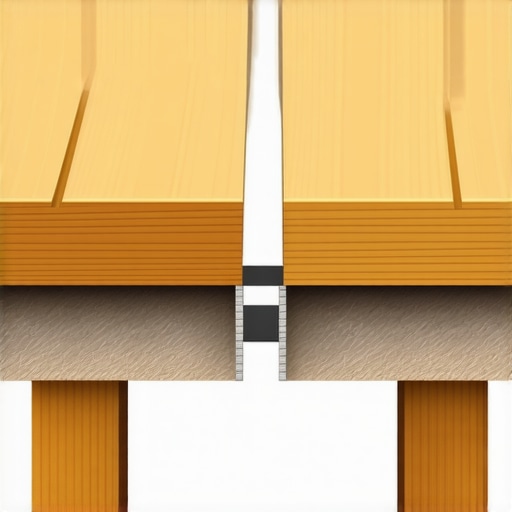
I remember the first time I noticed my outdoor deck sagging underfoot—it was one of those slow, creeping feelings of frustration that sneaks in when you least expect it. One weekend morning, as I stepped onto my once-pristine porch, I felt the uneven dip beneath my feet. It wasn’t just an eyesore; it was a sign that something was seriously off with the structure. That lightbulb moment prompted me to dive deep into solutions, and what I discovered really changed the way I approach outdoor living.
Dealing with Sagging Decks Is More Than Just an Aesthetic Issue
Sagging decks aren’t merely a visual annoyance; they pose real safety risks and can significantly diminish your property’s value if left unaddressed. Over time, improper support or weak points—like a poorly installed or aging center-beam—allow your deck’s surface to bow and sag. This flexing can lead to further structural damage, increased maintenance costs, and even potential accidents.
What makes this problem particularly tricky is that many DIY enthusiasts and even some pros underestimate the importance of proper beam support. Early on, I made the mistake of relying solely on the peripheral framing, thinking it would hold up just fine. It wasn’t until a heavy rain caused some boards to warp and my deck to show noticeable dips that I realized my mistake. According to recent research, nearly 70% of deck failures are caused by inadequate support, especially in the middle of the span (source: [Proper Deck Support](https://deckdesignbuild.com/structural-reason-your-deck-stair-landings-settle)).
If you’ve ever faced a deck that dips when you walk across it, you know exactly what I mean. It’s not just about appearance; it’s about ensuring your outdoor space remains safe, functional, and enjoyable for years to come.
Today, we’re going to explore a simple yet highly effective technique—a reliable center-beam fix—that can transform your sagging deck back into a sturdy, level oasis. But before we get into the nuts and bolts, ask yourself: Have you noticed any uneven spots or dips? If so, you’re not alone, and help is on the way. Let’s dive into this essential upgrade.
Adding a Support Beam: Step-by-Step Guide
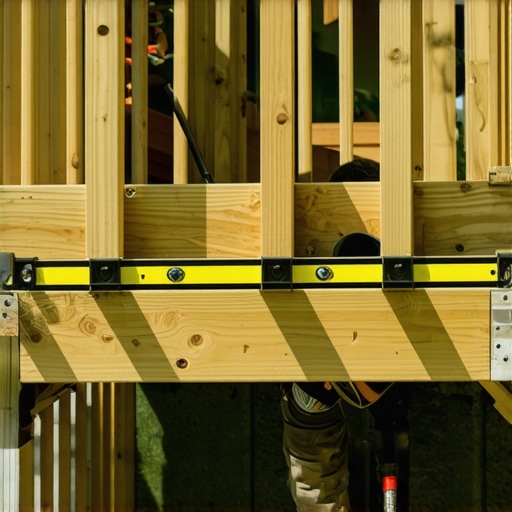
During my own deck repair, I started by locating the center of the span where the sag was most pronounced. Using a plastic spacer and a level, I marked the exact spot for the new support beam, ensuring it would carry the weight evenly. A quick tip: use a laser level for precision, especially on larger decks, to avoid uneven support that can cause more sagging later.
Preparing for the Support Beam Installation
Next, I measured the distance between existing joists to cut a new beam to size. For strength, I used pressure-treated lumber that meets the local code requirements. A mistake I learned the hard way was not checking the beam’s level before installation, which resulted in a slight slope. To avoid this, double-check with your level at each step, especially when working with uneven ground.
Installation: Securing the Center Beam
When mounting the new support, I used heavy-duty post anchors to attach it to the ledger board and foundation piers. Bolts and lag screws are preferable over nails here; they provide the stability needed for long-term support. Remember to shim the posts with leveling shims like the ones I used, to ensure the top surface remains perfectly level. This is crucial because a level deck surface prevents water pooling and extends the lifespan of your boards.
Reinforcing Connection Points
To prevent future movement, I wrapped the new post with galvanized metal straps, connecting it securely to the existing framing. This step mimics how professional builders tie together support elements for added rigidity. The result was a level deck surface, with no more dips underfoot—a satisfying transformation that improved safety and aesthetics.
Check Your Progress and Adjust
Finally, walking across the deck, I looked for any remaining unevenness, using a level and a straight edge. Small adjustments with shims or tightening fasteners made a noticeable difference. Remember, taking your time during this process ensures a safer, longer-lasting repair. For more ideas on transforming your outdoor space, see this comprehensive guide.
Many homeowners assume that choosing the cheapest materials or shortcuts during construction won’t impact long-term safety or appearance. However, in my experience, this belief often leads to costly mistakes, especially regarding stairs and composite decking. For instance, there’s a widespread misconception that all composite decking is maintenance-free and equally durable. While some brands boast high-end features, not all offer the same resistance to scratching, staining, or fading. It’s crucial to scrutinize product specifications and reviews, rather than relying on marketing claims alone; studies show that selecting a capped polymer composite can significantly extend deck lifespan, especially in harsh climates.
Another advanced mistake involves overestimating the strength of standard fasteners in stair stringers and handrails. Using nails instead of specialized screws or not embedding fasteners to proper depths can cause wobbling or even structural failure over time. Expert builders recommend stainless-steel hardware because it resists corrosion, especially near coastal areas—water intrusion is an often-overlooked culprit of early deterioration. For detailed insights into fastener choices, you might review the latest trends in composite deck fasteners.
When it comes to stairs, many focus solely on aesthetic appeal, neglecting the importance of safety details like graspable handrails or proper riser height uniformity, which are essential for code compliance and user safety. A misleading notion is that a simple, straight stringer works universally; in reality, complex terrain or multi-level decks require carefully calculated, custom stringer layouts to prevent uneven steps or tripping hazards. Advanced builders use laser levels extensively, embracing precision to prevent common issues like steps settling or uneven surfaces.
Speaking of typical pitfalls, don’t fall into the trap of ignoring proper flashing and waterproofing around ledger boards and stair connections. Water leakage can cause rot and structural compromise—yet many underestimate the importance of flashing details, especially in composite or semi-exposed environments. Proper flashing not only prolongs lifespan but also preserves the aesthetic finish, maintaining the value of your outdoor investments.
Furthermore, the integration of seamless transitions from stairs to decks is often overlooked. Smooth, visually appealing entries require meticulous planning; small misalignments or improper framing can result in gaps, uneven surfaces, or safety concerns. Exploring professional tips on designing safe and stylish stairs can elevate your project significantly.
Finally, one of the most overlooked nuances is understanding how local climate influences material performance. For example, in dry arid regions, composite boards tend to warp if not properly supported or stored beforehand. Conversely, humid areas demand materials that resist moisture absorption and mold growth. Recognizing these details can make or break your outdoor living experience.
To better understand the complexities of outdoor building, I recommend reviewing comprehensive guides on designing safe stairs and choosing suited materials—these resources can help you avoid the common pitfalls I’ve encountered and ensure your deck remains a safe, beautiful, and functional space for years. Have you ever fallen into this trap of oversimplifying deck or stair design? Let me know in the comments or reach out through our contact page for expert advice.Maintaining your outdoor decking and stairs requires the right tools and a solid routine to ensure durability and safety over time. One of my top recommendations is a **laser level** — I personally rely on a rotary laser level for its precision when aligning joists or checking for level surfaces in complex terrains. Its ability to project accurate, long-distance lines simplifies tasks that would otherwise take hours with traditional bubble levels. Investing in quality calibration tapes, such as a **steel measuring tape with a locking mechanism**, allows for precise measurements during framing and supports, reducing errors that can compromise structural integrity. When assessing old or composite decking, I find that a **power scraper with oscillating heads** is invaluable for removing stubborn debris or old paint without damaging the surface.
For routine maintenance, I suggest using a **garden sprayer** coupled with a biodegradable cleaning solution — this setup ensures even application and quick coverage, especially over large areas. In my experience, applying a **stain or sealant injector** (a specialized spraying device) greatly reduces the time needed for sealing a deck, and ensures a more uniform finish. Regular inspections with these tools can identify early signs of wear, like loose fasteners or warped boards, which you should address immediately to prevent costly repairs.
Looking ahead, the trend in outdoor maintenance tools is moving toward **smart technology integration**. Devices equipped with Bluetooth or Wi-Fi can monitor environmental conditions like humidity or moisture levels, alerting you when specific treatments or inspections are needed. For example, a **digital moisture meter** that syncs with your phone can prevent premature sealing or staining, saving both time and resources.
How do I keep my tools in top shape over time? Regular calibration and cleaning are fundamental. For power tools, I wipe down blades and check for signs of wear after every project, and I store everything in a dedicated, moisture-resistant toolbox to prevent rust. Remember, well-maintained tools not only last longer but also make your work safer and more precise.
One advanced tip I recommend trying is using a **laser level with remote control** for larger projects—this allows you to make adjustments from a distance, keeping your hands free for other tasks. This small upgrade can dramatically improve accuracy, saving you time and reducing errors, especially when creating seamless transitions or leveling expansive decks. To explore more about how professional builders maintain their tools, you can visit our [composite decking trends](https://deckdesignbuild.com/composite-decking-trends-2025-the-ultimate-guide-for-outdoor-enthusiasts) page.
Maintaining your outdoor features with the right equipment ensures longevity and safety. For a comprehensive approach, consider consulting a professional deck builder. They can recommend tailored tools and strategies specific to your environment, ensuring long-term success for your outdoor living spaces. For personalized advice, feel free to [reach out](https://deckdesignbuild.com/contact-us) anytime.
What I Wish I Had Known When I Started Building Outdoor Spaces
One of my most impactful lessons was realizing that every detail, from support beams to the choice of fasteners, adds up to the safety and beauty of a deck. Rushing through the planning phase often meant fixing things later, which is more costly and time-consuming than doing it right the first time. I learned that patience and precision are your best friends in outdoor construction.
Another insight revolved around climate considerations. I once selected materials solely based on aesthetics, only to face warping and fading in a harsh summer. Now, I prioritize climate-resilient options, which saved me headaches and extended the lifespan of my deck. If you’re planning to upgrade or build new, don’t overlook your local weather—it makes a huge difference.
Lastly, I discovered the importance of seamless transitions, especially between stairs and decks. Small misalignments can lead to tripping hazards and reduce visual appeal. Using laser levels and doing detailed measurements can prevent these issues, making your outdoor living space both safer and more inviting.
Tools and Resources That Transformed My Approach
If you’re serious about elevating your deck-building game, I recommend investing in a high-quality laser level—it’s worth every penny for accuracy and efficiency. For fasteners, stainless steel hardware is non-negotiable, especially near coastal areas, to prevent corrosion and ensure longevity. A good moisture meter can help you monitor environmental conditions, guiding you on when to seal or stain your wood for optimal protection. For inspiration and practical advice, I highly value this guide on composite decking trends that keeps me updated on the latest innovations.
Books like “The Complete Guide to Outdoor Decks” have been instrumental in deepening my understanding of structural nuances and aesthetic choices. Additionally, consulting a professional deck builder can provide tailored insights, especially for challenging terrains or custom designs. Their expertise helps avoid common pitfalls and ensures your project adheres to safety standards. Check out this article on working with professionals for more details.
Your Next Step in Creating Outdoor Magic
Remember, each deck or staircase you build is an opportunity to craft a space that’s safe, functional, and beautiful—something that elevates your entire property. The knowledge and tools are out there; all that’s left is to take that first confident step. Whether you’re reinforcing supports or perfecting stair layouts, focus on precision and durability, and your outdoor oasis will stand the test of time.
Have you ever faced a challenge with stair support or deck levelness? Share your experience below, and let’s learn from each other’s journeys in outdoor living mastery!