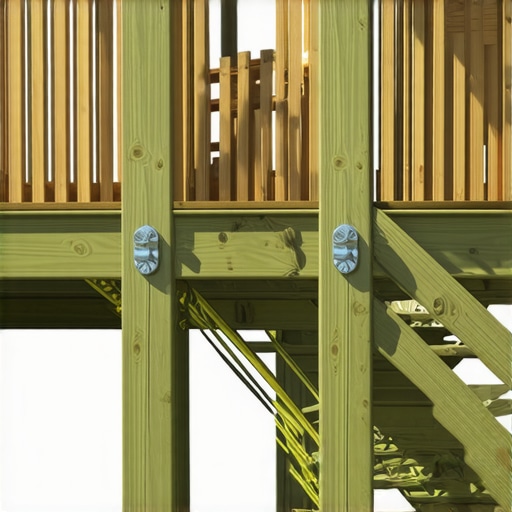
I remember the first time I built a low-profile deck. Everything looked perfect—until I stepped onto it and felt that unsettling bounce, like walking on a trampoline with a loose spring. Turns out, I hadn’t properly supported the mid-span joists, especially on a sleek, low-profile design where every inch counts. That lightbulb moment made me realize how crucial proper support is for safety, longevity, and just plain comfort.
Why Supporting Mid-Span Joists Matters More Than You Think
When it comes to outdoor decks, supporting mid-span joists isn’t just about preventing that annoying bounce. It’s about ensuring your deck can handle the weight of family, furniture, and all your lively gatherings without sagging or, worse, failing over time. Proper reinforcement keeps your deck stable, safe, and looking great for years to come.
Is Reinforcing Mid-Span Joists Really Necessary?
Honestly, I used to think I could get away with skipping some supports on my first few projects. But early on, I overlooked a crucial detail—failing to add enough blocking or using the right hangers. That mistake became obvious when I noticed uneven decking and some creaking under load. The lesson was clear: neglecting mid-span support can turn a beautiful deck into a long-term headache. For insights on how to do it right, check out the benefits of working with a professional deck builder; they know these pitfalls well.
If you’re like me and want your outdoor haven to stand tall against time and weather, understanding the ins and outs of mid-span joist support is essential. It’s not just about reinforcement; it’s about peace of mind. Ready to dive into the practical steps? Let’s get started and make sure your deck isn’t just good-looking, but resilient as well.
Secure the Foundations with Proper Joist Support
Start by planning your joist layout on paper, ensuring every mid-span receives adequate support. Use a laser level to mark precise locations of support blocks—this prevents uneven support that leads to bounce. I once mismeasured and ended up raising my deck slightly, which caused squeaking; correcting it with proper laser alignment fixed the issue instantly. Next, install blocking or bridging between joists at mid-span to distribute weight evenly. Use pressure-treated wood or approved metal supports to prevent rot and corrosion. When installing, ensure fasteners are driven flush to avoid creating trip hazards or weak points, especially if you’re working with composite decking.
Choose the Right Hardware for Strength
Selecting the appropriate hangers and fasteners is crucial. Use stainless steel joist hangers and screws designed for outdoor use—this prevents rust, which can compromise support over time. I remember opting for cheap nails in a rush, only to find a few joists loosened within a year; switching to quality hangers made a world of difference. When securing bridging, apply even pressure with a pneumatic nailer for consistency and avoid over-driving fasteners, which can weaken the wood. For added stability, consider installing a center support beam if the span exceeds code limits, boosting overall support and reducing bounce. Understanding joist span rules is vital here, as exceeding recommended distances directly impacts the deck’s safety and comfort.Many homeowners believe that choosing the most affordable materials or following generic design ideas will lead to a successful outdoor space, but in reality, there are nuanced pitfalls that can undermine even well-planned projects. For instance, a widespread myth is that composite decking is completely maintenance-free; however, advanced users know that not all composites are created equal, and some require specific cleaning routines to prevent staining and mold growth. To get the most durable and beautiful results, collaborating with a professional deck builder who understands these subtleties can save a lot of hassle and expense.
Is DIY Always the Cheaper Solution for Complex Outdoor Spaces?
It’s tempting to cut costs by going the DIY route, but expert insights reveal that inexperienced installations often lead to costly mistakes, such as improper support framing or incorrect stair stringer layout, which compromise safety and longevity. Engaging a seasoned professional ensures that structural aspects — like proper joist span support and seamless transitions between decks and stairs — are handled correctly, as detailed in this guide on stair integration. Furthermore, many overlook the importance of choosing hardware designed specifically for outdoor conditions; using the wrong fasteners can lead to premature corrosion. Remember, high-quality materials and skilled craftsmanship are investments that pay off by reducing future repairs and enhancing your outdoor living experience. Still, many miss the significance of correctly supporting wide composite stair treads, which prevents sagging and improves safety. An advanced mistake involves neglecting the hidden support systems beneath platforms and stairs, where lack of reinforcement can cause uneven settling over time. For example, incorporating hidden support brackets ensures uniform load distribution, a detail often overlooked in beginner projects. If you want to avoid these pitfalls, exploring innovative ideas for composite decks can inspire smarter choices. Remember, mismatched design elements or improper transitions between multiple levels can not only diminish aesthetic appeal but also pose trip hazards. Think about integrating stair designs that complement your overall deck layout, as discussed in tips for stunning outdoor spaces. The takeaway is clear: every detail, from hardware selection to structural support, influences your project’s durability and beauty. Be wary of the trap that believing “good enough” work will last — investing in nuanced, expert craftsmanship results in an outdoor space that truly stands the test of time. Have you ever fallen into this trap? Let me know in the comments.
Tools I Recommend for Long-Term Deck Success
Maintaining an outdoor deck, especially one built with composite materials and featuring sturdy stairs, requires precise tools to ensure durability and safety over time. I personally rely on a high-quality cordless impact driver like the Makita XDT131. Its powerful torque and lightweight design allow me to install fasteners effortlessly without stripping screws or causing material damage, which is crucial when working with composite decking to prevent surface scratches. Using the right fasteners combined with an impact driver makes securing decking quick and reliable, reducing long-term maintenance issues.
For measuring and leveling, I prefer a Bosch GLL 3-80 laser level. Its accuracy helps me maintain consistent deck surface elevation and alignment of stairs and railings—an important factor in avoiding uneven settling or wobbling over time. Precision tools like this ensure your project remains visually appealing and structurally sound, decreasing the frequency of repairs.
When it comes to cleaning and sealing, invest in a Karcher K5 Premium Pressure Washer. Proper cleaning before sealing prevents mold, mildew, and staining, especially on composite surfaces. Pair this with a quality cleaner designed for composites, such as the Sunnyside Corporation’s Composite Deck Cleaner, to protect your investment from the damaging effects of dirt and algae. Regular cleaning combined with sealing prolongs the life of your deck, stairs, and supporting joists.
How do I maintain my deck over time to prevent costly repairs?
Consistent maintenance starts with routine inspections—look for loose fasteners, signs of rot or movement, and any separation between boards. Reapply sealers or protective coatings every two to three years, especially in high-humidity or saltwater environments. Using a motorized sanding tool like the DeWalt DWE6421 can smooth out splinters or rough spots on stairs, ensuring safety and a polished appearance. Remember, a proactive maintenance routine saves you from unexpected issues that can compromise safety and aesthetics.
Predicting future trends, I believe smart technology integration will become standard; think app-controlled lighting and sensors that monitor structural health. Embracing these advancements now can ease ongoing maintenance and enhance your outdoor living experience.
To boost your long-term deck performance, challenge yourself to implement an advanced tip: Use a leveling shim system underneath your deck posts, such as Post Leveling Shims. This ensures perfect vertical alignment despite ground shifts, drastically reducing wobbling in stairs or railing posts and extending the lifespan of your structure. Give it a try and experience the difference in stability and safety!
Lessons I Wish I Learned the Hard Way
- One of the most impactful lessons was realizing that skipping mid-span joist support can lead to long-term sagging and safety issues, no matter how beautiful the design appears initially.
- Early in my projects, I underestimated the importance of precise measurements; a small miscalculation in support placement can cause uneven surfaces and creaking under load, reminding me that precision is key.
- Working with quality hardware may seem costly upfront, but I learned that using stainless steel joist hangers and corrosion-resistant fasteners vastly extends the lifespan of the deck, saving money in repairs later.
- I’ve found that collaborating with professional deck builders provides insights into nuances of support systems that can prevent common pitfalls—something I now prioritize for durability and safety.
- There’s a myth that composite decking is entirely maintenance-free; experience has shown that proper foundation support and ventilation are essential to keep it looking pristine over the years.
My Toolkit for Building Resilient Outdoor Spaces
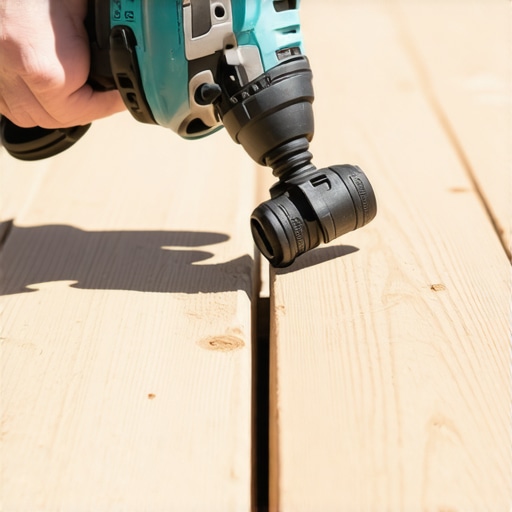
- Makita XDT131 Impact Driver: I trust it for its power and precision, especially when securing composite decking without damaging surfaces.
- Bosch GLL 3-80 Laser Level: Accurate leveling ensures even support distribution, preventing bounce and wobble in the deck surface.
- Karcher K5 Pressure Washer: Regular cleaning with a quality pressure washer keeps composite surfaces free of mold and stains, preserving their appearance and integrity.
- Post Leveling Shims: These subtle supports make a significant difference in preventing post wobbling and uneven settling, extending your deck’s lifespan.
You Hold the Power to Build Lasting Beauty
Every successful deck begins with understanding the importance of mid-span support and choosing the right materials and tools. Your outdoor living space isn’t just about aesthetics; it’s about creating a sturdy, long-lasting sanctuary that you can enjoy for years. Embrace the learning curve, seek expert advice when needed, and remember that each well-supported project enhances your confidence as a builder. Ready to elevate your deck game and craft spaces that truly stand the test of time? Your next masterpiece awaits.
Have you ever encountered unexpected bounce or creaking in your deck? Share your experiences below, and let’s learn from each other’s journeys to better outdoor living.