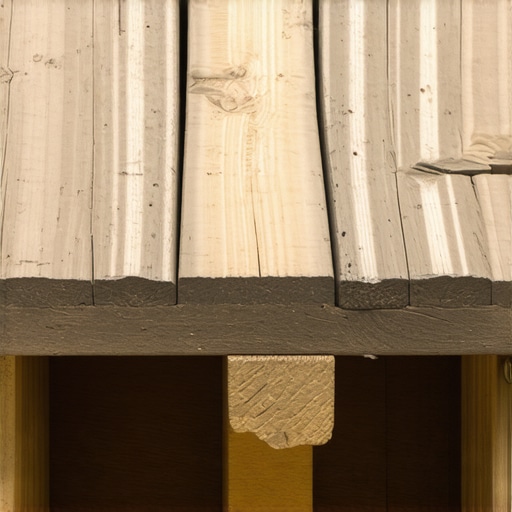
One afternoon, as I was enjoying my new composite deck, I heard a strange creak from the corner. Suddenly, the surface started to sag, casting a shadow of worry over my weekend plans. That moment was a lightbulb for me—realizing how fragile many decks can be without proper support. I had overlooked the importance of hidden joist supports, thinking I could save a few bucks by cutting corners. But that small mistake nearly turned my relaxing escape into a maintenance nightmare.
The Real Threat of Deck Sagging: Hidden Supports to the Rescue
If you’ve ever watched your deck surface dip or warp over time, you know it’s more than an eyesore; it’s a safety concern. Deck sagging often happens beneath the surface, out of sight and out of mind, until it’s too late. What I learned from my own experience, and what I want to share, is that the secret lies in the hidden joist supports—those discreet, often overlooked elements that keep your decking solid and flat for years to come.
Is Hidden Support Really Worth the Extra Step?
Initially, I thought my deck was sturdy enough without adding specialized joist supports. Early on, I made the mistake of assuming that standard framing would suffice. That was a costly oversight. The truth is, proper support isn’t just about weight; it’s about preventing subtle shifts that cause uneven surfaces. When I finally installed hidden supports, it dramatically improved stability and prevented future sagging. Interested in how to get this right? Check out this detailed guide on hidden brackets that can bolster your deck’s integrity.
Start with Precise Planning of Support Placement
Before cutting any wood, measure your deck span and assess weight distribution carefully. Think of it as laying out the blueprint for a bridge. I once skipped this step, relying on guesswork, and ended up adjusting supports mid-project—costly and frustrating. Use a tape measure and a level to identify weak points, then plan your support locations accordingly.
Choose the Right Hidden Support System
Select hidden brackets or adjustable joist hangers designed for composite decking. These are like secret reinforcements, unseen but vital. I recommend visiting this guide to understand the variety of options. Picking the correct support type ensures your deck remains level and sturdy over time.
Prepare the Joists and Framing
Cut your joists to exact lengths, accounting for the support placement. Roughly, I used a circular saw to make clean cuts, but I double-checked each length with a tape measure. Precise measurement avoids uneven surfaces and wobbling, especially in composite decking, which shows imperfections easily. Remember, accuracy here is like laying a solid foundation for a house.
Install Supports During Frame Assembly
Place the hidden supports beneath each joist at the planned locations before securing the joists to the ledger and beams. This is similar to installing within a skeleton—it’s easier to do early to ensure stability. I found that temporarily supported joists with clamps made aligning the hidden supports easier. Secure the supports tightly to prevent any shifting during the final assembly.
Secure the Joists Firmly
Use corrosion-resistant fasteners to attach the joists to the hidden supports. I prefer stainless steel screws; they resist rust, especially in outdoor environments. Ensuring each connection is tight prevents future sagging, maintaining a flat surface ideal for composite decking. Don’t forget to check for levelness after each support installation—small adjustments now save headaches later.
Double-Check for Level and Stability
Once all joists are in place and supports secured, use a level across the entire deck surface. This step is like tuning a musical instrument—perfection in alignment ensures comfort and safety. If any joist tips or shows sag, tighten or reposition the support accordingly. A stable foundation is crucial, especially when planning to use durable composite decking that accentuates any irregularities.
Finish with Proper Decking Installation
Lay your composite decking boards following manufacturer guidelines, maintaining recommended spacing to allow expansion. This is akin to laying tiles with even grout lines. Proper spacers help avoid warping and ensure a seamless appearance. When installing, keep an eye on the overall surface to catch any slight unevenness early, adjusting as necessary for a flawless finish.
When it comes to creating stunning outdoor spaces, many homeowners rely on popular beliefs that aren’t always backed by expert knowledge. One widespread misconception is that installing larger, more elaborate stairs automatically adds safety and visual appeal. In reality, nuanced design choices—like proper riser heights and tread widths—are crucial for both safety and aesthetics. For example, uneven steps can lead to tripping hazards, especially on multi-level decks, which can be mitigated by precise calculations and professional guidance. According to a study by the American Society of Civil Engineers, improper stair design accounts for a significant percentage of outdoor fall incidents, underlining the importance of expert planning. Want to avoid common pitfalls? Explore how a skilled deck builder can transform your backyard into a safe and stylish retreat, ensuring every detail is optimized for your space.
Keep Your Deck in Top Shape with the Right Tools
Maintaining an outdoor deck, especially one built with composite materials and subtle support systems, requires precision equipment and a disciplined routine. I rely heavily on a high-quality cordless drill with adjustable torque settings, such as the Milwaukee M18 Fuel, because it allows me to install fasteners accurately without risking damage to delicate composite surfaces. A digital moisture meter is also indispensable; it helps me detect hidden moisture that can lead to wood rot or mold, especially in shaded corners where algae growth can occur, as noted in The Benefits of Working with a Professional Deck Builder.
For cleaning and preventive care, I recommend a soft-bristle brush and a gentle biodegradable cleaner specifically formulated for composite decking. Avoid harsh power washers that can damage the surface and compromise the integrity of hidden supports. Instead, a low-pressure setting combined with careful technique keeps the surface clean while preserving the underlying structure.
Now, let’s talk about long-term results. Regular inspections are crucial. I schedule quarterly check-ups to examine fastener tightness, support stability, and surface levelness. A good-quality, magnetic inspection mirror helps me see beneath the deck without crawling on all fours, revealing potential issues early. Additionally, applying a dedicated protectant designed for composites can extend the lifespan of your decking over years of exposure to sun, rain, and salt air.
Flexibility with Tools Facilitates Better Scaling
If you’re thinking about scaling up your outdoor living area, investing in modular, adjustable supports and support jigs streamlines the process. For example, adjustable deck jacks help level large spans easily, saving time and ensuring safety. As composite trends evolve, tools that adapt to various materials and project complexities will become even more critical, a trend I anticipate will accelerate in the next few years.
How do I maintain composite decking over time?
Consistent cleaning with mild solutions, inspecting fasteners and supports periodically, and using the right accessories like support stabilizers will keep your deck looking and functioning like new for years. For expert insights on designing safe and stylish stairs, check out this recent guide. Now, I suggest you try incorporating a moisture meter into your routine to detect unseen issues early—it’s a game changer for longevity and safety. Remember, a well-maintained deck not only enhances your outdoor experience but also adds value to your home, especially when built with expert guidance and the proper tools.
Looking back, I realize that my biggest breakthrough in outdoor deck craftsmanship came from embracing the unseen—the hidden joist supports. The subtlety of these components might seem insignificant, but their impact on stability and longevity is profound. It’s a reminder that sometimes, the most important details are those you don’t see at first glance—like a strong foundation supporting a beautiful journey.
Lessons from the Shadows that Elevate Your Deck Experience
- The Power of Prevention: Investing time in proper support planning upfront saved me from costly repairs later. It’s like planting a sturdy root system—initial effort pays dividends far down the line.
- Details Are the Differentiators: Small adjustments during support placement made a huge difference in surface flatness, proving that precision in hidden elements translates to visible quality.
- Expert Guidance Matters: I learned to trust specialized support systems and sought out resources, like the comprehensive guide on hidden brackets, which transformed my approach and results.
My Toolkit for Robust Outdoor Living
- Stainless Steel Fasteners: These resist corrosion and keep supports tight over years. I rely on them for peace of mind, especially near saltwater environments.
- Digital Moisture Meter: Detecting hidden moisture prevents wood rot before it starts. It’s become my go-to for ongoing inspections—simple, effective, essential.
- Adjustable Deck Jacks: When scaling up or leveling complex spans, these tools save time and frustration. They exemplify adaptability in outdoor construction.
- Low-Pressure Power Washer: Keeps the surface clean without damaging delicate composite decking—combining care with efficiency ensures long-term beauty.
Embrace Your Outdoor Transformation Journey
Building or upgrading a deck with confidence starts by recognizing that the hidden supports are the unsung heroes of durability and safety. With the right knowledge, tools, and mindset, you can craft an outdoor space that withstands the test of time while elevating your home’s aesthetic. For more insights into transforming your backyard into a personal retreat, check out this guide on professional deck builders or explore creative ideas for outdoor spaces. Dive in, experiment, and enjoy the process of making your vision a lasting reality.